
Ukraine’s Drone Revolution Sparks Political Crisis and AI Warfare Shift
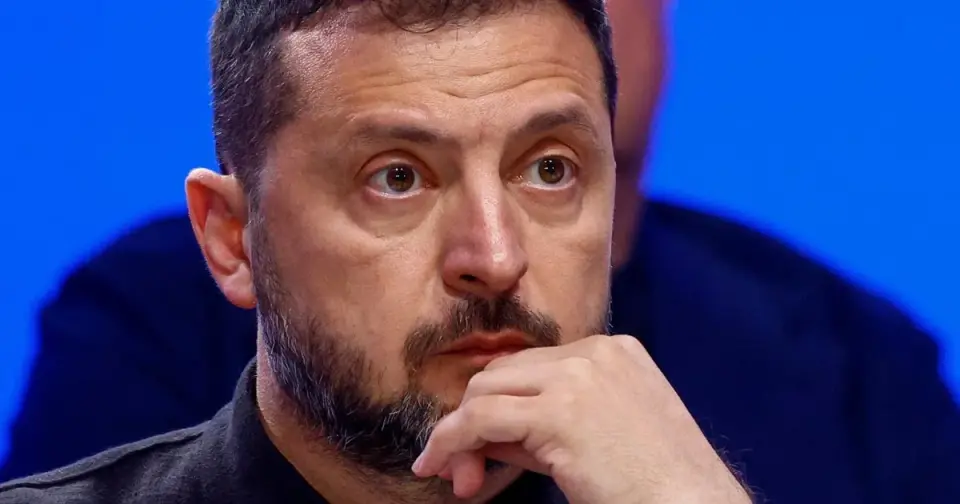
Ukraine’s shift to drone-centric warfare has triggered a political crisis after President Zelensky dismissed defense minister Mykhailo Fedorov, sparking protests and calls for wartime elections. Simultaneously, the military is rapidly integrating AI into drone operations, with over 100,000 ground robot missions logged in 2026 and new autonomous systems deployed against Russian drones.
Key points
- Zelensky dismissed Fedorov and commander Oleksandr Syrsky, leading to mass protests and Fedorov’s call for wartime elections, challenging presidential authority.
- Ukraine now produces 95% of its drones domestically, using a digital architecture that links sensors, operators, and strike platforms for real-time battlefield management.
- AI systems like Avengers and ZIR AI enable drones to autonomously identify targets and navigate without GPS, with 95% of interception cycles against Russian Shahed drones now automated.
- Over 100,000 ground robotic missions were conducted in 2026, with procurement doubling compared to 2025, reflecting a shift toward decentralized, tech-driven defense.
- The political fallout risks slowing military innovation, as Fedorov’s departure may disrupt the rapid evolution of Ukraine’s digital battlefield infrastructure.
Background
Ukraine’s drone program, led by Fedorov since 2019, transformed the war by decentralizing production and integrating civilian tech firms. The 2026 crisis follows earlier tensions over military modernization and corruption, with Fedorov’s dismissal marking a turning point in public engagement with military strategy.
How outlets are covering it
Foreign Affairs emphasizes the political and democratic implications of Fedorov’s dismissal, highlighting how drone warfare expanded civil society’s role in military decisions. Ukrinform focuses on the technical advancements in AI and autonomous drones, detailing systems like ZIR AI and Avengers that reduce human intervention. Ukrainska Pravda provides quantitative data on ground robotic missions and procurement, underscoring the scale of Ukraine’s shift to drone-centric operations. While Foreign Affairs and Ukrainska Pravda agree on the strategic importance of drones, they differ in focus: the former on political consequences, the latter on operational metrics. Ukrinform offers a technical perspective, contrasting with the political and quantitative analyses of the other two sources.
Why it matters
The crisis reveals how technological innovation in warfare can reshape political dynamics, with public engagement in military strategy now influencing leadership decisions. The rapid adoption of AI in drones may set a precedent for future conflicts, while the political instability risks undermining Ukraine’s military momentum against Russia.
What to watch
Monitor whether Fedorov’s call for wartime elections gains traction, as it could challenge Zelensky’s authority and reshape Ukraine’s political landscape. Track the deployment of AI-driven drone systems, particularly in intercepting Russian drones, and assess the impact of Fedorov’s departure on the pace of military innovation. Watch for further protests or political shifts as the public demands greater accountability in wartime decision-making.
- The Future of Ukraine’s Drone Democracy Foreign Affairs
- Ukraine’s Most Potent Weapon: The Software Orchestrating Its Drone Army The New York Times
- One Step Away from Terminators Ukrinform
- Ukrainian forces have carried out over 100,000 ground drone missions so far in 2026 Українська правда
- Drone warfare in Ukraine: Korean tech for interceptors and trends in heavy bomber drones Ukraine's Arms Monitor
Want the full story? Read the original reporting
Read on Foreign Affairs