
Pentagon Report Confirms Massive US Losses and Munitions Shortages in Iran War
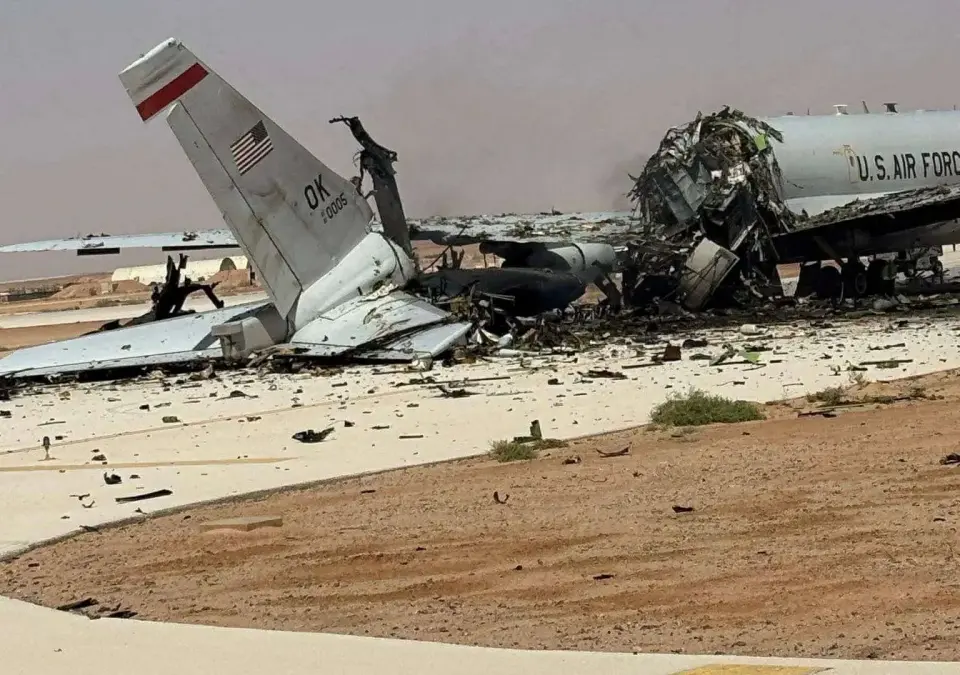
A Pentagon inspector general report reveals the US lost dozens of aircraft, including 30 MQ-9 drones, and hundreds of structures in the Iran conflict, with total costs reaching $33 billion. The report confirms critical munitions shortages, contradicting presidential claims of unlimited supply, while diplomatic talks remain stalled with the Strait of Hormuz blocked.
Key points
- The Department of Defense inspector general released the first official accounting of US losses from the February 28 to June 30 conflict, detailing the destruction of at least 30 MQ-9 Reaper drones and four F-15E fighter jets.
- The report states that 11 US military personnel were killed in action and 417 were wounded, with 184 million dollars in damage to diplomatic facilities in Iraq, Kuwait, Saudi Arabia, and the UAE.
- Total war costs reached 33 billion dollars, with 22 billion spent on expended munitions, highlighting severe supply chain bottlenecks that contradict President Trump's assertions of 'virtually unlimited' ammunition.
- Logistical challenges forced the US to shift operations to Diego Garcia, extending resupply cycles to 14-18 days, while the Navy's regional hub in Bahrain was significantly damaged, prompting potential permanent cuts to US personnel in the region.
Background
The conflict began in late February with US-Israeli strikes on Iran, leading to a sustained war that ended on June 30. Previous coverage noted ongoing diplomatic deadlocks and blocked oil routes, but this report provides the first comprehensive financial and material assessment of the US military's toll.
How outlets are covering it
Al Jazeera provides the most granular breakdown of specific aircraft losses and casualty figures, while CNN emphasizes the operational shifts, such as the withdrawal of medical evacuation helicopters and the reliance on Diego Garcia for logistics. The Washington Post focuses on the strategic implications of the munitions shortfall, contrasting the inspector general's findings with the White House's public messaging. AP News corroborates the scale of the damage but offers less detail on specific asset types compared to Al Jazeera.
Why it matters
The report exposes a significant gap between official public statements and the reality of US military capacity, suggesting that the war has strained supply chains and potentially altered the long-term US footprint in the Middle East. The confirmed shortages and high costs may influence future defense budgets and diplomatic leverage in ongoing negotiations with Iran.
What to watch
The US and Iran remain in a diplomatic deadlock, with the Strait of Hormuz still largely blocked. Military officials are quietly discussing potential permanent reductions in US personnel and facilities in the region as the war concludes, while the government faces pressure to address the revealed munitions deficits.
- Dozens of aircraft, hundreds of buildings: US loss to Iran attacks revealed Al Jazeera
- Iranian strikes have damaged hundreds of structures at U.S. bases, watchdog says washingtonpost.com
- Missile shortages, damage to US facilities: Pentagon watchdog issues first review of Iran war CNN
- US watchdog tallies Iran war’s hit to weapons stockpiles, military bases and more AP News
- Pentagon watchdog says Iran war has led to munitions shortfall NBC News
Want the full story? Read the original reporting
Read on Al Jazeera