
Thirlwall Inquiry Blames NHS Culture for Preventable Deaths at Countess of Chester
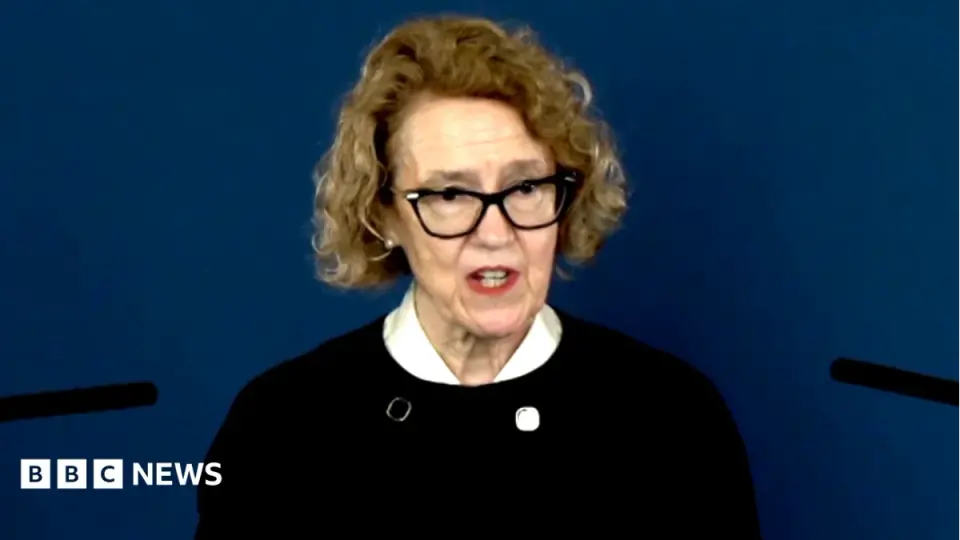
The public inquiry into the Lucy Letby case has concluded that the Countess of Chester Hospital failed to protect infants, potentially allowing preventable deaths. Chair Lady Justice Thirlwall criticized the hospital's 'dysfunctional management' and the broader NHS culture of avoiding blame. The report recommends strict safeguards, including CCTV for all cots and stricter insulin controls, while noting that some babies could have been saved if staff had acted on earlier concerns.
Key points
- Lady Justice Thirlwall found a 'complete failure' to safeguard babies at the Countess of Chester Hospital, attributing it to a lack of understanding of safeguarding protocols.
- The inquiry suggests that if Letby had been removed from the unit in October 2015, two twin boys and five other infants would not have died or been harmed.
- Thirlwall issued 17 recommendations, including mandatory CCTV for all cots and incubators, restricted insulin access, and a new protocol for suspected deliberate harm.
- The report highlights that parents were 'kept in the dark' for years, with hospital executives prioritizing reputation management over patient safety and police involvement.
- Health Secretary Yvette Cooper called the report 'devastating' and pledged to implement 'cot cam' monitors and stricter regulations for hospital managers.
Background
This inquiry follows the 2023 conviction of nurse Lucy Letby for the murder of seven babies and attempted murder of seven others at the Countess of Chester Hospital. Previous archive coverage noted that Letby’s convictions are currently under review by the Criminal Cases Review Commission, with some legal experts arguing for a retrial. The current inquiry, however, focuses on systemic failures rather than individual guilt, examining why the NHS repeatedly fails to act on safety concerns, a pattern seen in earlier scandals like Mid Staffordshire and Morecambe Bay.
How outlets are covering it
BBC News emphasizes the 'reprehensible' treatment of parents and the hospital's failure to report concerns to police for nearly two years. The Guardian highlights the political response, noting Health Secretary Yvette Cooper’s pledge for sweeping changes, while contrasting this with Letby’s barrister Mark McDonald, who argued the government acted too hastily before the CCRC review concluded. Both outlets agree on the 'dysfunctional' nature of the hospital's governance but differ in focus: BBC centers on the human cost and regulatory gaps, while The Guardian focuses on the political fallout and the debate over the timing of reforms.
Why it matters
The findings expose deep-seated cultural issues within the NHS, including a tendency to prioritize reputation over patient safety and inadequate protections for whistleblowers. The recommendations aim to prevent future tragedies by implementing physical safeguards like CCTV and stricter regulatory oversight, potentially changing how neonatal units operate across the UK.
What to watch
The government is expected to fast-track the implementation of 'cot cam' monitors and stricter insulin storage rules. Hospital trusts must have board-level monitoring mechanisms for infant deaths in place by March 2027. The Care Quality Commission is to face increased scrutiny, with annual reviews initially, to ensure it does not overlook critical safety issues in future inspections.
- Lucy Letby public inquiry findings to be published - follow live BBC
- Key findings from Lucy Letby Thirlwall Inquiry BBC
- Three babies may have survived if hospital had acted over Lucy Letby concerns, inquiry finds The Guardian
- Lucy Letby Murder Inquiry Says Some Babies’ Deaths Were Avoidable The New York Times
- Probe into murder of babies on neonatal unit expected to call for reforms Yahoo
Want the full story? Read the original reporting
Read on BBC