
Why snakebite deaths persist—and what could finally turn the tide
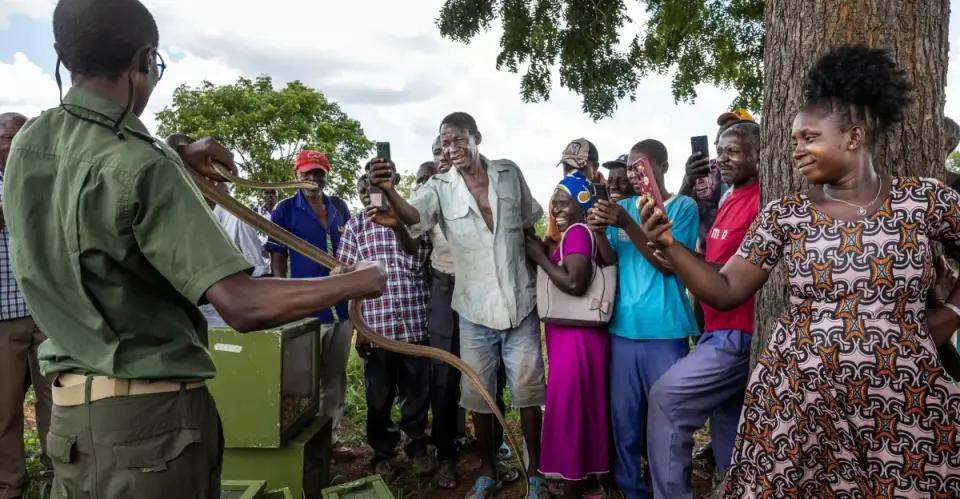
Snakebites kill about 100,000 people a year—second only to malaria and violence among the leading causes of death from animals—yet official counts understate the true toll, especially in India, due to reporting gaps and care access in rural areas. Antivenoms exist but are expensive, species-specific, and hard to stock in remote clinics, limiting effectiveness. New efforts—driven by WHO guidance and funding—are testing next‑gen drugs (including repurposed medicines) that could be used before hospitals arrive and reducing reliance on traditional antivenoms, while a parallel push aims to improve surveillance and community prevention. However, affordability and supply chain challenges mean breakthroughs must reach the communities most at risk to actually reduce deaths.
- This animal kills 100,000 people a year. Why can’t we stop it? vox.com
- Climate shock | Snakebite deaths reveal systemic failures Deccan Herald
- Why rising temperatures are triggering more snakebite incidents across India The Times of India
- Dr Surajit Giri Inducted into National Technical Panel on Snakebite Prevention The Sentinel - of this Land, for its People
- Monsoon from May 26: Rains too can increase snake sightings; precautions Onmanorama
Want the full story? Read the original reporting
Read on vox.com