
Chemmani excavation uncovers 572 remains, reigniting Sri Lanka civil war accountability debate
Workers extending a cremation ground in Jaffna, Sri Lanka, discovered a mass grave containing 572 skeletal remains, including children. The site, linked to the 1983-2009 civil war, has sparked demands for forensic analysis and international oversight, though the government insists on domestic investigation. Personal items like school bags and baby bottles were found, suggesting extrajudicial killings, but DNA testing is pending.
Key points
- Discovery: Workers found human remains in February 2026 while expanding a cremation site in Chemmani, Jaffna. Archaeologists confirmed 572 skeletons by August, making it the largest mass grave found in Sri Lanka.
- Artifacts: Items such as bangles, a school bag, and a milk bottle were recovered, indicating the presence of children and infants among the victims.
- Investigation Status: The Human Rights Commission of Sri Lanka stated the burial method was inconsistent with Hindu practices, suggesting unlawful interment. An interim report is due to the court by late September 2026.
- Political Stance: Justice Minister Harshana Nanayakkara confirmed cooperation with the investigation and requested family DNA samples. The government opposes referral to the International Criminal Court.
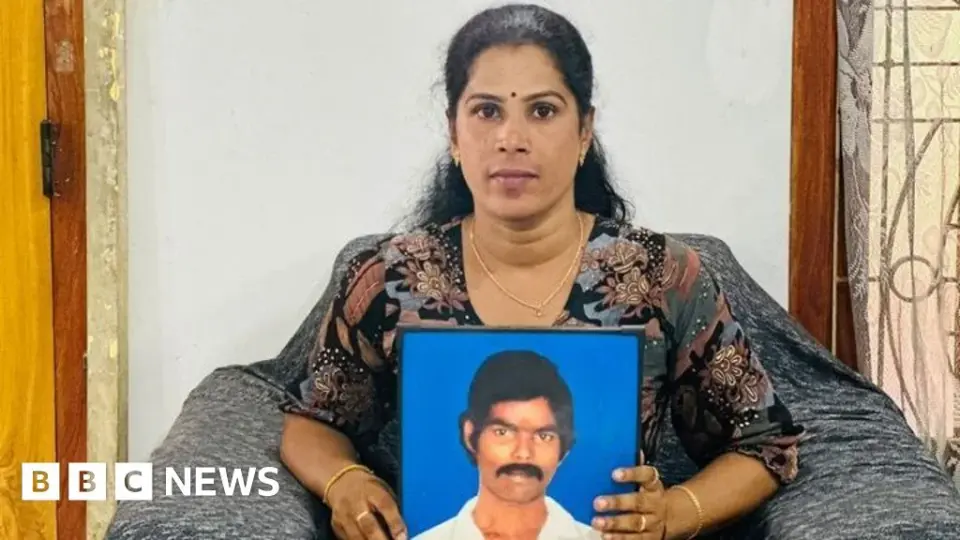
- Public Reaction: Families of the disappeared, including Jeyaruby Jayapalan and Suseela, are protesting for answers. Many fear the investigation will stall due to lack of political will, citing past failures like the Mannar mass grave.
Background
Sri Lanka’s civil war (1983-2009) resulted in approximately 100,000 deaths and 23,000 missing persons, mostly Tamils. The Chemmani area was a high-security zone in the 1990s. A previous excavation in 1999 found 15 skeletons after a soldier testified to a mass grave, but no prosecutions followed. The 2018 Office of the Missing Persons was established to investigate disappearances but has faced criticism for lack of progress.
How outlets are covering it
BBC emphasizes the emotional impact on families and the potential for extrajudicial killings, citing the Human Rights Commission’s findings. Zamin.uz focuses on the forensic uncertainty, noting that identities and causes of death are not yet confirmed and that the investigation is under judicial supervision. Both sources agree on the scale of the discovery but differ in emphasis: BBC highlights political resistance and international calls for aid, while Zamin.uz stresses the pending nature of the forensic results.
Why it matters
This discovery is the largest mass grave found in Sri Lanka and could provide crucial evidence for accountability regarding wartime atrocities. It tests the current government’s commitment to justice and reconciliation, potentially influencing whether Sri Lanka faces international scrutiny or domestic closure. The outcome may set a precedent for investigating other unresolved cases from the civil war.
What to watch
An interim report from the chief archaeologist is due to the court by the end of September 2026. Some samples will be sent abroad for detailed examination to determine age and cause of death. DNA tests on the remains and family samples are planned to identify victims. The government has promised funding for the excavation and analysis, but families remain skeptical about the speed and thoroughness of the process.
- Sri Lanka's Chemmani mass grave reopens wounds from the civil war - and families want answers BBC
- Skeletons of 572 people found in Sri Lanka: Who do these remains belong to and under what circumstances did they die? Zamin.uz
- Grisly scene: Family finds mass grave in garden Arab News
- Sri Lankan Bishops: “True Justice for the Victims of Chemmani” AsiaNews
Want the full story? Read the original reporting
Read on BBC