
Rassvet-3 Satellites Decay as Russia's Starlink Rival Struggles with Orbital Failures
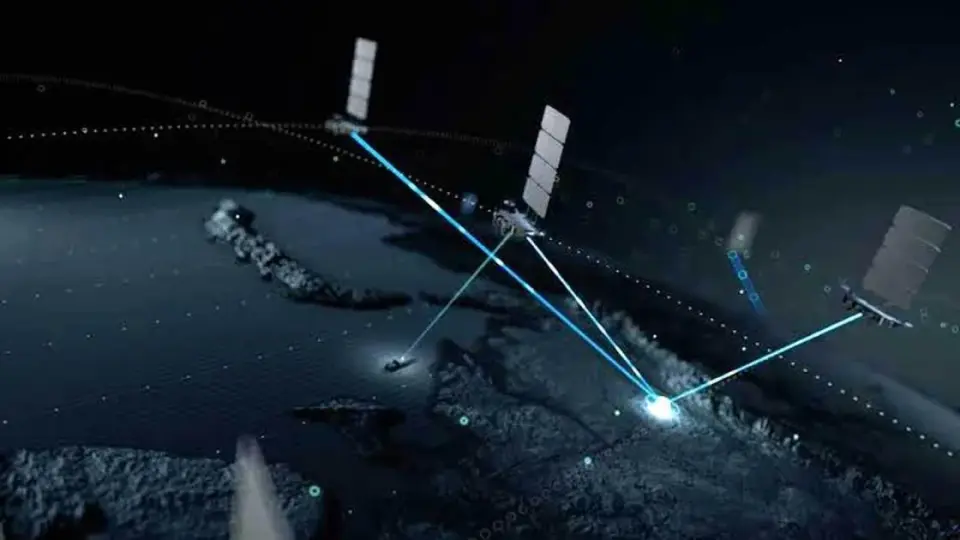
Two latest-generation Rassvet-3 satellites are expected to re-enter Earth's atmosphere by late October and early November, marking another setback for Russia's attempt to build a domestic alternative to Starlink. The satellites, launched in July 2026, failed to reach their intended 800 km orbit and are currently decaying from altitudes between 250 km and 512 km. This follows earlier de-orbiting incidents in June and a broader pattern of launch failures since March, where only a fraction of the 32 satellites launched have achieved sustainable orbits. While the constellation currently offers limited functionality, with approximately 24 functioning satellites providing up to two hours of daily connectivity for Russian forces in Ukraine, experts doubt the program will achieve robust coverage soon. Russia aims to expand the network to 250 satellites by 2027, but current technical and logistical challenges suggest a slow and difficult path to viability.
Key points
- Two Rassvet-3 satellites from the July 2026 launch are projected to re-enter the atmosphere on October 29 and November 1, 2026, according to Sonik Space.
- The remaining Rassvet-3 satellites are orbiting between 250 km and 512 km, significantly lower than the planned 800 km target, resulting in reduced coverage and functionality.
- The Rassvet program has launched 32 satellites since March 2026, but most have failed to reach sustainable orbits, with only about a third achieving adequate altitude.
- Russian forces in Ukraine reportedly use the Rassvet network for up to two hours daily, a stark contrast to the reliability and speed of Starlink's 10,000+ satellite constellation.
- Russia plans to increase the Rassvet constellation to 250 satellites by 2027, but current launch failures and orbital decay suggest significant hurdles remain.
Background
Russia's Rassvet satellite program was accelerated earlier in 2026 after SpaceX cut off Russian access to Starlink. Previous analyses, including reports from the Institute for the Study of War in August 2026, indicated that the constellation was unlikely to succeed in the near future due to persistent launch failures and low orbital altitudes. Earlier batches of Rassvet-3 satellites also experienced de-orbiting issues in June 2026, highlighting ongoing technical and logistical challenges for Russia's space industry.
Why it matters
The failure of the Rassvet satellites underscores the difficulty Russia faces in developing a viable alternative to Starlink, particularly amid ongoing conflicts and resource constraints. The limited functionality of the current constellation may prolong Russian reliance on foreign satellite services or force a slower, more costly development timeline. This situation also highlights the broader challenges of building large-scale satellite constellations, as seen with efforts by China and Europe, and impacts military and civilian communications capabilities in contested regions.
What to watch
Russia is expected to continue launching Rassvet satellites, aiming to reach 250 by 2027, but success will depend on improving launch reliability and achieving stable orbits. The current decay of satellites may prompt adjustments in orbital parameters, such as targeting lower altitudes around 500 km, to improve feasibility and reduce latency. Continued monitoring of orbital data and launch outcomes will be critical in assessing the program's future viability.
Want the full story? Read the original reporting
Read on PCMag