
UK Talent Visa Fraud: £100k Package Offers Fake Art Credentials
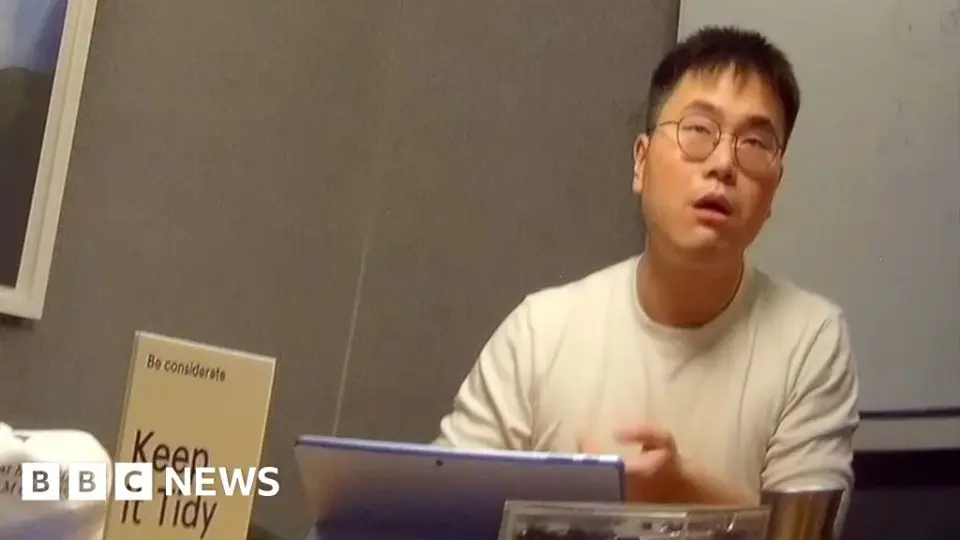
A BBC undercover investigation reveals that a London consultancy offered a £98,000 package to fabricate artistic portfolios and credentials for UK Global Talent visas. The scheme included fake exhibitions, forged media reviews, and award manipulation. The Home Office is investigating the firm and revoking visas obtained through deception.
Key points
- BBC reporters found iCareer Consultancy UK offering a full fraud package for approximately £98,000, including artworks, exhibitions, and fake press coverage.
- The scheme targeted the Global Talent visa, launched in 2020, which has seen a surge in arts applications, with nearly 6,600 visas granted in 2025.
- The Home Office is investigating the firm and has begun revoking visas for two Nigerian men who used forged documents to pose as fine art photographers.
- Immigration lawyer Harjap Singh Bhangal described the scheme as sophisticated fraud designed to deceive both the Home Office and endorsing bodies.
- The UK government confirmed the visa route is under review by the Migration Advisory Committee, with nearly half of arts applications refused last year.
Background
The Global Talent visa was introduced in 2020 to attract exceptional individuals in science, research, and the arts. It allows successful applicants to bring family members and potentially qualify for permanent residence after three or five years. The route has grown rapidly, with arts and culture applications nearly doubling between 2023 and 2025. The UK’s creative industries contributed about £124 billion to the economy in 2023, highlighting the sector's importance. This investigation follows broader concerns about immigration fraud and the integrity of fast-track visa schemes.
How outlets are covering it
The BBC and Artlyst provide detailed accounts of the undercover investigation, highlighting the specific services offered by iCareer Consultancy UK, including fake artworks, exhibitions, and media reviews. GB News emphasizes the financial aspect, noting the £100,000 cost and the involvement of a consultant named Shilong Guan. InfoMigrants focuses on the broader implications, noting the Home Office's investigation and the potential for visa revocations. All sources agree on the seriousness of the allegations and the Home Office's response, but differ in emphasis: BBC and Artlyst focus on the mechanics of the fraud, GB News on the financial and personal details, and InfoMigrants on the policy and legal consequences.
Why it matters
The exposure of a sophisticated visa fraud scheme undermines the integrity of the UK's Global Talent visa, which is designed to attract top global talent. The fraud not only threatens the credibility of the visa system but also raises concerns about the vulnerability of the scheme to exploitation. The Home Office's investigation and potential revocations signal a crackdown on such abuses, which could lead to stricter vetting processes and increased scrutiny of future applications. This case highlights the need for robust verification measures to prevent fraud in immigration systems.
What to watch
The Home Office is expected to continue its investigation into iCareer Consultancy UK and may revoke additional visas obtained through deception. The Migration Advisory Committee is reviewing the Global Talent visa route, which could lead to policy changes or stricter criteria. The UK government has stated that anyone found to have conspired to help others obtain a visa through deception will face legal consequences, with potential prison sentences of up to 10 years for immigration fraud.
- BBC undercover reporter is offered fake art and awards for talent visa BBC
- Firm offers to fake artworks for wealthy migrants seeking UK 'talent' visas - BBC investigation BBC
- Art Visa Fraud: The London Firm Selling Invented Artist Careers Artlyst
- Migrants offered £100,000 fake portfolios to cheat fast-track UK visa scheme in major immigration scandal GB News
- UK: Allegations of fraud arise on 'Global Talent Visa' route InfoMigrants
Want the full story? Read the original reporting
Read on BBC