
New Yalu River Bridge Opens, Marking a Decade-Late Milestone in China-North Korea Ties
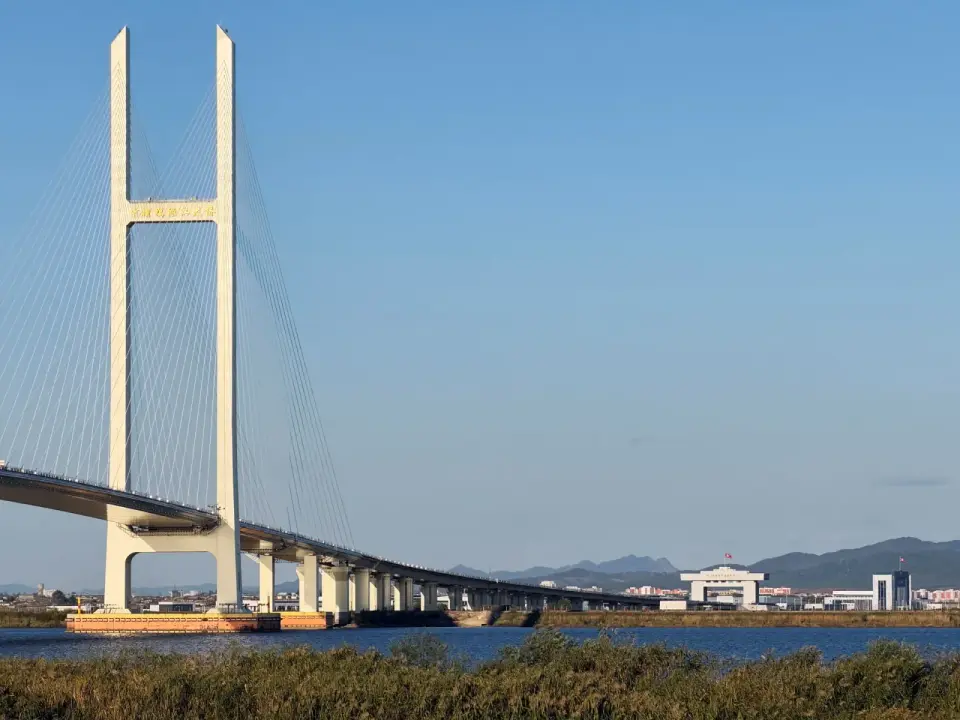
China and North Korea are set to officially open the New Yalu River Bridge on Thursday, October 15, 2026. The structure, which connects China’s Dandong New Zone with North Korea’s Sinuiju, had been delayed for over a decade after Beijing completed its side in 2014. Pyongyang left its portion unfinished for years following a diplomatic rift triggered by Beijing’s support for United Nations sanctions against North Korea’s nuclear tests. The opening coincides with a recent thaw in relations, highlighted by Chinese President Xi Jinping’s visit to Pyongyang in June 2026, his first since 2019. Chinese exports to North Korea reached a six-year high of $2.3 billion last year, up 25 percent from the previous year. While the bridge aims to boost civilian trade, analysts note that North Korea’s deepening military alliance with Russia may have shifted its diplomatic balance, reducing its historical reliance on Beijing.
Key points
- The New Yalu River Bridge will open to traffic on Thursday, connecting Dandong in China and Sinuiju in North Korea.
- Construction was stalled for years after North Korea halted work in response to Beijing supporting UN sanctions over Pyongyang’s nuclear program.
- Chinese exports to North Korea hit a six-year high of $2.3 billion in 2025, reflecting a 25 percent year-over-year increase.
- President Xi Jinping visited Pyongyang in June 2026, marking the first such visit since 2019 and signaling a strategic priority for Beijing.
- The bridge opening occurs alongside the recent opening of a road bridge between North Korea and Russia, highlighting Pyongyang’s shifting diplomatic alliances.
Background
This development follows a broader pattern of infrastructure projects linking North Korea to its neighbors. In September 2026, North Korea and Russia opened the first road bridge across the Tumen River, linking Rason and Khasan, which Pyongyang claims will boost trade and personnel exchanges. Earlier archive coverage noted that the Yalu bridge opening was seen as a significant step for Beijing to restore economic influence over Pyongyang, particularly after North Korea’s pivot toward Moscow. The 1961 Treaty of Friendship, Cooperation and Mutual Assistance remains China’s only formal military alliance, though recent years saw strain due to sanctions disputes. The new bridge is intended to facilitate civilian economic development, contrasting with the military-focused trade between North Korea and Russia.
Why it matters
The opening of the New Yalu River Bridge serves as a tangible indicator of the thawing relationship between Beijing and Pyongyang. It underscores China’s efforts to reassert its role as North Korea’s primary economic partner and diplomatic protector, a status challenged by Pyongyang’s growing military and political ties with Russia. The bridge’s completion after a decade-long delay signals a shift in North Korea’s foreign policy priorities, potentially balancing its new strategic partnership with Moscow against its traditional reliance on China. For regional stability, the infrastructure link may facilitate increased civilian trade, which could alleviate economic pressures on North Korea, while also raising questions about the dual-use nature of such connections in a region marked by nuclear tensions and shifting alliances.
What to watch
Observers will monitor whether the bridge’s opening leads to a resumption of tourism visas for Chinese citizens, which have not yet been reinstated. Analysts expect to see increased civilian goods flow through the bridge, potentially diversifying North Korea’s trade beyond military supplies exchanged with Russia. Diplomatic watchers will also assess if this infrastructure milestone precedes further high-level engagements between Beijing and Pyongyang, or if it remains a symbolic gesture amid ongoing nuclear disputes. The impact on regional trade routes and the potential for increased cross-border movement will be key indicators of the bridge’s long-term significance.
Want the full story? Read the original reporting
Read on Al Jazeera