
US Sanctions Target ICC Institution After Nobel Prize Award
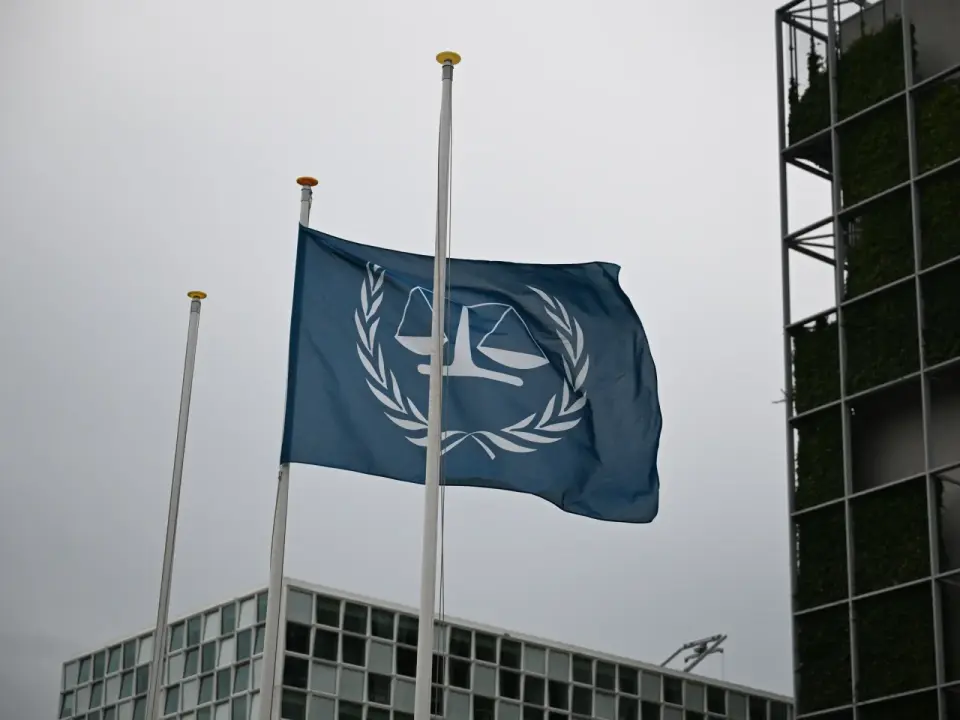
The US has imposed sweeping sanctions on the International Criminal Court (ICC) itself, following the award of the 2026 Nobel Peace Prize to former ICC judge Navanethem Pillay. Secretary of State Marco Rubio declared the court a 'rogue' entity, aiming to cut off its financial resources. The move has drawn sharp condemnation from the ICC, the UN, and multiple Western allies, while Israel's Prime Minister Benjamin Netanyahu praised the action.
Key points
- US Secretary of State Marco Rubio announced sanctions targeting the ICC as an institution, banning US transactions with the court and freezing its assets in US territories.
- The sanctions were announced hours after South African judge Navanethem Pillay, a former ICC judge, won the 2026 Nobel Peace Prize for her efforts to promote international law.
- The US administration claims the ICC exceeds its remit by pursuing non-member states, specifically citing past investigations into US soldiers in Afghanistan and arrest warrants for Israeli officials.
- A six-month grace period was granted to US companies to wind down existing business with the court, though the ICC has been preparing alternative financial and software systems for over a year.
- The ICC condemned the move as an assault on the rule of law, while UN Secretary-General Antonio Guterres called it a 'serious blow' to international criminal justice.
Background
This escalation follows a series of US sanctions against individual ICC judges and prosecutors earlier in 2026, including actions against ICC President Tomoko Akane. The current dispute is part of a broader pattern of US withdrawal from international institutions and legal frameworks under the current administration, which has also included exits from the WHO and UN Human Rights Council. Tensions between the US and the ICC have been heightened by the court's 2024 issuance of arrest warrants for Israeli Prime Minister Benjamin Netanyahu and former Defence Minister Yoav Gallant for suspected war crimes in Gaza, a move the US and Israel have consistently rejected.
How outlets are covering it
Al Jazeera and The Washington Post emphasize the unprecedented nature of sanctioning the court itself rather than just individuals, highlighting the potential financial crippling of the institution. BBC focuses on the reaction of Nobel laureate Navanethem Pillay, who called the sanctions 'unheard of' and 'unacceptable,' and notes the timing relative to the prize announcement. CNN frames the event as an 'unprecedented action' to cripple the court, linking it directly to the Nobel award. All sources agree on the strong opposition from European allies (UK, France, Germany, etc.) and the UN, but differ in emphasis: Al Jazeera and The Post detail the specific financial mechanisms and the 'plan B' the ICC is developing, while BBC and CNN focus more on the diplomatic fallout and the Nobel Prize connection. The Washington Post notes that the sanctions do not explicitly require the withdrawal of existing warrants as a condition for lifting the measures, a detail not highlighted in the other sources.
Why it matters
The US sanctions represent a significant challenge to the independence and operational capacity of the International Criminal Court, potentially setting a precedent for other nations to use financial pressure to influence international judicial bodies. The move could undermine the court's ability to prosecute war crimes and crimes against humanity, affecting victims in conflict zones such as Ukraine, Sudan, and Myanmar. It also signals a broader US strategy to dismantle international legal institutions it views as hostile to its sovereignty, potentially eroding the global rule of law and encouraging other powerful states to disregard international legal norms.
What to watch
The ICC is expected to continue its operations using alternative financial and software systems, as it has been preparing for potential sanctions for over a year. The 125 states parties to the ICC are being called upon to take action to ensure the court can continue its work. The US has given a six-month grace period for US companies to wind down business with the court, after which the full force of the sanctions will take effect. The international community, particularly the European allies, may seek to provide alternative financial support or diplomatic pressure to counter the US measures. The ICC may also seek to challenge the legality of the sanctions through other international legal channels.
- Why is the US sanctioning the International Criminal Court? Al Jazeera
- Nobel peace laureate says US sanctions on ICC 'unacceptable' BBC
- Trump hits International Criminal Court with sanctions after Nobel goes to former judge The Washington Post
- As Navi Pillay wins Nobel Peace Prize, US takes unprecedented action to cripple the court she served on CNN
- European states, Canada, Japan and UN back ICC against US sanctions Al Jazeera
Want the full story? Read the original reporting
Read on Al Jazeera