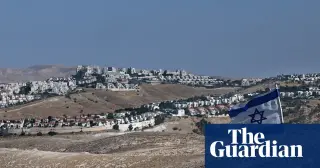
The Organisation of Islamic Cooperation condemned Israel’s reportedly secret approval of 34 new West Bank settlements, calling it a grave violation of international law that undermines the two-state solution; the move adds to ongoing expansion since 2022 and drew condemnations from the EU and Sweden, while Israel has not issued an official comment.
Ships will return to the Strait of Hormuz only after a credible, multi‑lateral effort reduces Iran’s ability and willingness to target merchant traffic and then provides visible reassurance—limited naval escorts, surveillance, rapid-response capability, and a coordinated international presence. A toll or unilateral transit restrictions would threaten freedom of navigation and invite sanctions, so the flow will remain limited until sustained safety is demonstrated and a coalition is clearly in place.
Three Israeli sources say the security cabinet secretly approved the legalization of over 30 settler outposts and farms in the occupied West Bank last month, a move not announced by top ministers. The decision, part of a broader government push to expand settlements, was kept quiet amid rising settler violence and international criticism. The plan reportedly includes infrastructure like electricity and water; Peace Now notes a record 86 new outposts in 2025. Palestinians condemned the move as a dangerous escalation and a violation of international law, while the IDF warned it is strained by the violence and authorities readied a directive to crack down on nationalist crimes and bolster West Bank security.
Will Saletan argues that Donald Trump’s public threats to seize Iran’s oil and to target civilian infrastructure amount to war crimes or imminent war crimes, revealing a mercenary, profit-driven logic behind the rhetoric and raising the specter of civilian harm and violations of international law if such actions were carried out.
Iran has proposed that it and Oman charge ships passing through the Strait of Hormuz as a precondition for reopening the waterway, a move critics say would violate the principle of freedom of peaceful navigation enshrined in the UN Law of the Sea (though neither Iran nor the U.S. has ratified it, it is considered customary law). Experts warn such tolls could set a dangerous precedent and provoke diplomatic pushback, even as some argue the practical financial impact would be modest compared with the broader goal of resuming traffic that could lower oil prices. The United States opposes tolling, and Gulf producers are wary of losing leverage, all within the broader context of ongoing ceasefire discussions and regional tensions.
Amnesty International condemns Donald Trump’s threats to devastate Iran’s civilian infrastructure as potentially violating international humanitarian law and possibly amounting to genocide. The group urges urgent intervention by the UN Security Council and other states to avert catastrophe, noting that recent US and Israeli strikes on civilian targets heighten the risk to millions of Iranians and their relatives abroad. The statement calls for accountability for war crimes and crimes against humanity if such actions proceed.
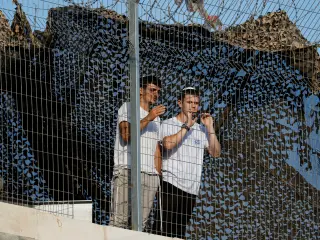
The UN's Volker Türk condemned Israel's Knesset-passed bill to make the death penalty the default for Palestinians in the West Bank for deadly attacks, noting it would breach international law and could amount to a war crime if applied to residents of the occupied territories. The proposal drew broad international condemnation as discriminatory, setting up a two-tier justice system and fast-tracked executions; it faces legal challenges at home and would empower military courts to impose death sentences with stringent restrictions and a 90-day execution window.
HuffPost’s live updates center on President Trump’s escalating warnings toward Iran, including threats to target energy and water infrastructure, as a partial U.S. government shutdown reaches a record length, with other political and international headlines interwoven in the feed.
A Bulwark columnist argues that Trump’s claims of victory in Iran and his threat to order war crimes if the Strait of Hormuz reopens would reveal whether the U.S. military operates under the rule of law or an honor system, and warn of dangerous implications for American democracy and foreign policy.
Israel’s Knesset passed a law making the death penalty the default punishment for Palestinians convicted of fatal attacks by military courts in the occupied West Bank, with executions to be carried out by hanging within 90 days of sentencing and limited avenues for appeal; the measure, backed by hard-right parties, drew sharp condemnation from UN experts, the EU and several Western governments over concerns it breaches international law and discriminates against Palestinians, though supporters say it strengthens deterrence and national security. The law can still be reviewed by Israel’s Supreme Court.
German President Frank-Walter Steinmeier condemned Trump’s war on Iran as a “disastrous” violation of international law, warning the conflict risks an irreparable rupture with the United States similar to Germany’s break with Russia after the Ukraine invasion; he urged Europe to rethink support and defense strategies, noting Germany’s ceremonial role while Ramstein wings coordinate strikes against Iran.
US-Israel strikes on Iran and Tehran’s retaliation against energy infrastructure threaten long-standing norms governing when a country may wage war; ICC prosecutor Moreno Ocampo calls the conflict a crime of aggression, while the White House defends actions as necessary to counter a rogue regime. The debate intensifies as attacks on energy assets mount across the region, highlighting concerns about civilian harm and the viability of the rules-based international order.
Twelve Arab and Islamic countries condemned Iran’s drone and missile strikes on civilian and energy targets, reaffirming the right to self-defense under UN Charter Article 51 and urging Tehran to halt attacks, respect sovereignty and maritime security to prevent wider regional escalation amid tensions over energy infrastructure and broader Middle East conflicts.
Peace-time transit through the Strait of Hormuz is a universal right as an international strait, but in armed conflict the San Remo Manual governs naval warfare: neutral ships may transit with due regard, belligerents must not target neutrals, and may search for contraband; convoys of merchant ships escorted by warships can be risky because cargo vessels may become targets if tied to belligerent ships, and a state's neutral status can shift if its actions pull it into the conflict (as with Australia’s stance potentially affecting its neutrality).
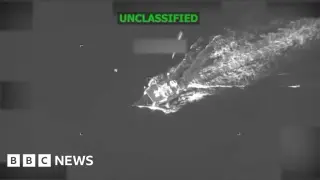
Iran’s attacks on neutral shipping and potential mining of the Strait of Hormuz threaten a critical global shipping lane. The strait is an international waterway governed by transit passage under UNCLOS, but enforcement is difficult when a coastal state violates the rules. Naval mining would violate customary law and Hague VIII provisions intended to protect neutral transit, and demining would be extremely challenging, especially as the U.S. Navy phases out dedicated minesweepers in favor of untested counter‑mine methods. A multinational escort approach may be needed, though politically and logistically complex. The crisis exposes a gap between strong doctrine protecting transit passage and weak enforcement in practice, underscoring the need for diplomacy and allied cooperation to keep the Strait open.