
American Christopher Payne remains jailed in Japan despite overturned sexual assault conviction
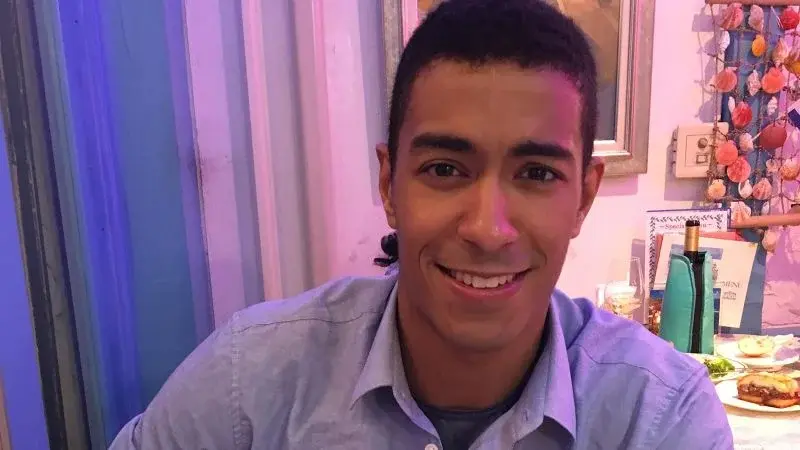
Christopher Payne, a 34-year-old American, remains imprisoned in Japan without a formal charge after a high court overturned his sexual assault conviction in December 2025. While awaiting an unscheduled retrial, Payne’s health has deteriorated significantly, with supporters citing 'hostage justice' practices and questions over the reliability of DNA evidence used in his original case.
Key points
- Payne was sentenced to eight years in 2021 for a 2018 sexual assault in Ichikawa, Chiba, but a high court overturned the conviction in December 2025 due to concerns about DNA evidence reliability.
- Despite the overturned conviction, Payne remains in custody without bail; prosecutors cite the risk of evidence destruction, though his lawyers argue DNA cannot be destroyed.
- Payne’s health has declined sharply, with reports of coughing up blood, convulsions, and severe headaches; he was seen in a wheelchair during a late October visit.
- Defense lawyers claim an independent US forensic expert found crime-scene DNA files were edited to match Payne’s profile, raising doubts about the original investigation.
- The case highlights international scrutiny of Japan’s pretrial detention system, which has a 99% conviction rate and rarely grants bail to defendants who deny charges.
Background
This case follows previous high-profile instances of prolonged detention in Japan, including the 2019 escape of former Nissan executive Carlos Ghosn from house arrest and the 2024 exoneration of Iwao Hakamata, the world’s longest-serving death row prisoner. These events have intensified global debate over Japan’s judicial practices, particularly regarding pretrial detention and the presumption of innocence.
How outlets are covering it
CNN and secondary outlets emphasize Payne’s deteriorating health and the lack of a retrial date, framing his detention as a symptom of Japan’s 'hostage justice' system. While all sources agree on the overturned conviction and continued detention, they differ in emphasis: CNN focuses on the emotional toll on Payne’s family and the specific medical neglect he faces, whereas broader legal analysis highlights systemic issues, such as the 99% conviction rate and the rarity of retrials. Prosecutors and Japan’s Ministry of Justice declined to comment on the DNA allegations or detention reasons, maintaining only that Payne is receiving appropriate medical care, a stance that contrasts with the defense team’s claims of inadequate medical attention.
Why it matters
The case underscores ongoing tensions between the US and Japan regarding the treatment of foreign nationals in the Japanese legal system. It raises critical questions about the fairness of pretrial detention, the reliability of forensic evidence, and the potential for innocent individuals to be held indefinitely without charge. The situation also highlights the limitations of US diplomatic intervention in cases falling outside its legal jurisdiction, as Payne’s mother has struggled to secure assistance from US officials.
What to watch
A retrial has been ordered but no date has been set. Payne’s defense team continues to request bail and a thorough medical examination, while his family and supporters, including Kouta Handa, fear for his life due to his declining health. The US State Department has stated it will remain engaged in the case, with embassy staff having visited Payne as recently as October 27, 2026, to verify his treatment.
- He’s remained jailed in Japan despite an overturned conviction. His family in the US fears for his life CNN
- Japan Keeps Christopher Payne Jailed After Court Overturns Conviction Demokratis.co.id
- Christopher Payne remains jailed in Japan after conviction was overturned; US family fears for his health Mezha.net
Want the full story? Read the original reporting
Read on CNN