
Fourteen nations back ICJ genocide ruling as UK sanctions five Myanmar generals
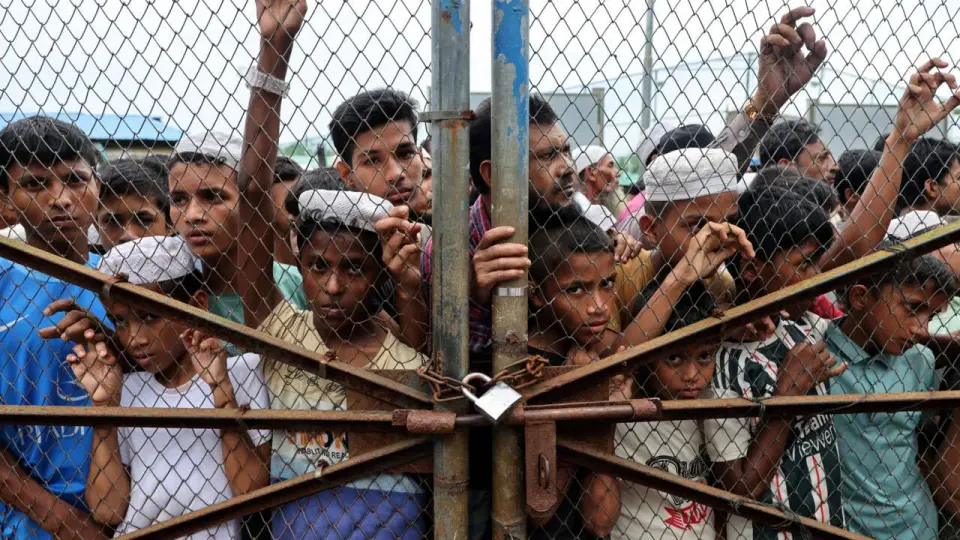
Fourteen countries have formally acknowledged the International Court of Justice's historic ruling that Myanmar committed genocide against the Rohingya minority. The UK has responded by sanctioning five senior military figures and pledging new humanitarian aid, while legal experts debate the precedent set for future atrocity cases.
Key points
- The UK, Australia, Belgium, Canada, Cyprus, Czech Republic, Estonia, Iceland, Latvia, Luxembourg, New Zealand, Portugal, Spain, and The Gambia issued a joint statement acknowledging the ICJ's binding judgment.
- The ICJ ruled on November 19, 2026, that Myanmar's 2017 military crackdown in Rakhine State constituted genocide, resulting in approximately 10,000 deaths and the displacement of over 700,000 people.
- The UK imposed asset freezes and travel bans on five senior Myanmar military leaders: Myo Htut Hlaing, Myo Min Tun, Myat Thet Oo, Kyaw Soe, and Kyaw Swar Oo.
- London pledged £5 million in new humanitarian funding for Rakhine State and £3 million for accountability initiatives, alongside legislation to restrict aviation fuel exports to Myanmar.
- The ICJ's 9-6 decision marked the first time a state, rather than an individual, was found guilty of genocide under the 1948 Genocide Convention.
Background
The ICJ delivered its verdict on November 19, 2026, in a case brought by The Gambia. Prior to this ruling, Myanmar and China had rejected the court's findings, labeling them unfair. The decision has significant legal implications for other pending genocide cases, particularly South Africa's claim against Israel regarding the war in Gaza.
How outlets are covering it
While France 24 and The Guardian emphasize the diplomatic and humanitarian responses, including UK sanctions and aid, EJIL: Talk! focuses on the legal methodology, noting that the court's use of 'dolus eventualis' for certain acts may lower the threshold for proving genocide in future cases. The Guardian's opinion piece by Gordon Brown argues that condemnation is insufficient without systemic prevention frameworks, whereas BBC highlights the specific military figures sanctioned and the UK's call for a pause in hostilities. All sources agree on the historic nature of the ruling but differ on the emphasis between immediate political action and long-term legal precedent.
Why it matters
This ruling establishes a precedent for holding states accountable for genocide, potentially influencing future cases involving other conflicts. The UK's sanctions and funding commitments signal a shift from diplomatic condemnation to tangible enforcement mechanisms, though the ICJ lacks direct enforcement power. The legal interpretations of the court's standards may affect how future atrocities are prosecuted and prevented.
What to watch
The UK plans to raise the issue at the UN Security Council this week and hold a dedicated meeting in two weeks. The new legislation targeting aviation fuel exports to Myanmar is expected to be introduced soon. Observers will watch whether Myanmar complies with the ICJ's orders for reparations and the safe return of displaced Rohingya, or if further international pressure is required.
- 14 countries acknowledge ICJ ruling of genocide against Rohingya France 24
- UK sanctions top Myanmar military leaders after Rohingya genocide ruling BBC
- Opinion | Defining Genocide Down at the International Court of Justice WSJ
- Did the Court Change its Approach to Defining or Proving Genocidal Intent in Gambia v. Myanmar and Did it Get it Right? Part II EJIL: Talk!
- Words are not enough after the Myanmar genocide ruling. The world can do better – but it must take these steps The Guardian
Want the full story? Read the original reporting
Read on France 24