
International Tribunal Rejects Argentina's Bid to Halt Falklands Oil Drilling
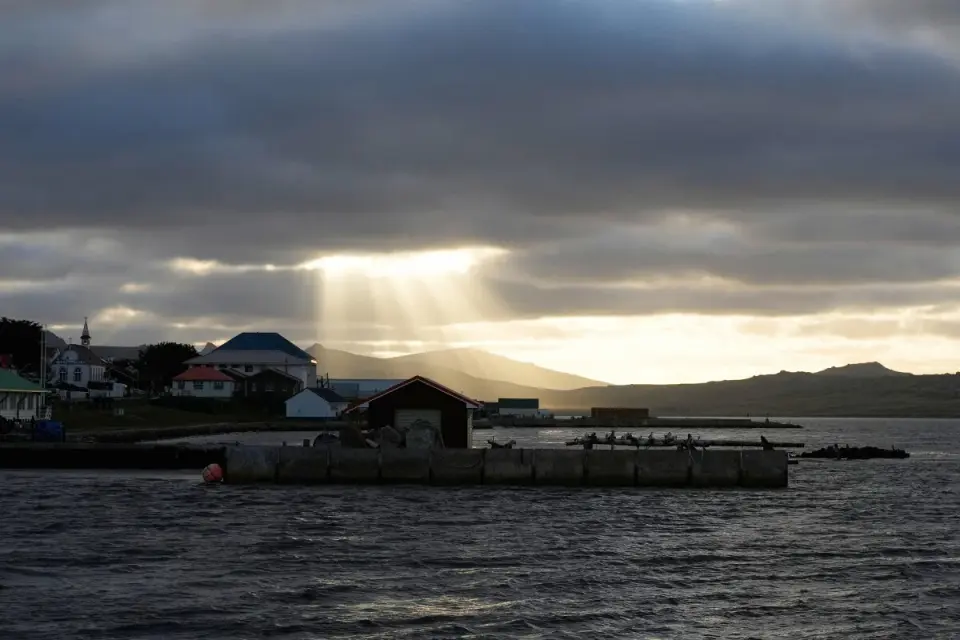
The International Tribunal for the Law of the Sea (ITLOS) has rejected Argentina's request to suspend the Sea Lion oil project near the Falkland Islands. The tribunal ruled 18-3 that it lacked jurisdiction because the case hinged on a sovereignty dispute, which falls outside the UN Convention on the Law of the Sea. While the UK and Falkland Islands welcomed the decision as a victory for self-determination, Argentina vowed to continue its legal and economic pressure, opening new sanctions cases against companies involved in the project. Drilling is scheduled to begin in March 2027.
Key points
- ITLOS judges voted 18-3 to reject Argentina's request for a temporary injunction against the Sea Lion oil project, stating the case could not be decided without resolving the wider sovereignty dispute over the islands.
- The tribunal found that Argentina's arguments, including those regarding environmental risks, were inextricably linked to the territorial claim, which is outside the scope of the UN Convention on the Law of the Sea.
- UK Foreign Secretary Ed Miliband and Attorney General Ellie Reeves welcomed the ruling, calling it a 'vindication' of the UK's legal strategy and urging Argentina to end its economic pressure on the territory.
- President Javier Milei's office stated the decision was not the 'final word,' arguing the ruling effectively recognized the existence of a sovereignty dispute that the UK has long refused to negotiate.
- Argentina announced five new sanctions cases against entities involved in the oil project, warning that participants in the 'illegitimate exploitation' of resources would face consequences.
- The Sea Lion project, led by Israel's Navitas Petroleum and Britain's Rockhopper Exploration, is expected to begin drilling in March 2027, with oil extraction following a year later.
Background
The dispute over the Falkland Islands, known as the Malvinas in Argentina, has a long history, including a 74-day war in 1982 that resulted in the deaths of 649 Argentine troops, 255 British soldiers, and three islanders. Britain has held the islands since 1833, and a 2013 referendum saw over 99% of the population vote to remain a British overseas territory. Argentina has consistently rejected this result, arguing the population was placed there illegally. In recent months, President Javier Milei has shifted from a conciliatory tone to a more aggressive stance, launching economic sanctions and legal challenges against companies involved in oil exploration near the islands, partly influenced by signals from US President Donald Trump that Washington might reconsider its neutrality.
How outlets are covering it
The UK and the Falkland Islands government viewed the ITLOS ruling as a decisive legal victory that affirmed their sovereignty and the right of the islanders to self-determination. UK officials emphasized that the tribunal's decision validated their legal defense and urged Argentina to cease its economic pressure. In contrast, the Argentine government framed the outcome as a partial success, arguing that by linking the case to sovereignty, the tribunal had implicitly acknowledged the existence of a dispute. Argentine officials vowed to continue their legal and administrative efforts, including new sanctions, to prevent what they described as the 'illegitimate exploitation' of their natural resources. The companies involved in the Sea Lion project, Navitas and Rockhopper, welcomed the decision and expressed their intention to proceed with the project under their existing licenses.
Why it matters
The ruling allows a major oil project to proceed, which could significantly impact the economy of the Falkland Islands and the broader geopolitical dynamics in the South Atlantic. The Sea Lion project is expected to double the islands' GDP and generate substantial revenues, potentially transforming the territory's fishing-dependent economy. However, the decision also escalates tensions between the UK and Argentina, with Argentina's continued sanctions and legal challenges posing risks to international business operations and diplomatic relations. The case highlights the ongoing complexity of sovereignty disputes and the challenges of resolving them through international legal mechanisms.
What to watch
An arbitration panel is expected to take up the full sovereignty dispute, a process that could take years. Meanwhile, the Sea Lion project is scheduled to begin drilling in March 2027, with oil extraction expected to commence in 2028. Argentina has indicated it will continue to pursue its claims through diplomatic, legal, and administrative channels, including new sanctions against companies involved in the project. The UK and Falkland Islands government are expected to maintain their support for the project and its timeline, while monitoring the ongoing legal and diplomatic developments.
- Argentina loses bid to halt oil drilling off nearby UK-held Falkland Islands AP News
- Argentina's bid to stop Falklands oil drilling rejected BBC
- Argentina loses bid to halt UK-backed oil exploration near contested Falkland Islands CNN
- Argentina fails to block oil drilling off Falkland Islands The Guardian
- President Milei reacts after court rejects Argentina's bid to block Falklands oil drilling project Sky News
Want the full story? Read the original reporting
Read on AP News