
UK Visa Freeze Leaves Afghan Women Stranded After Years of Effort to Study Abroad
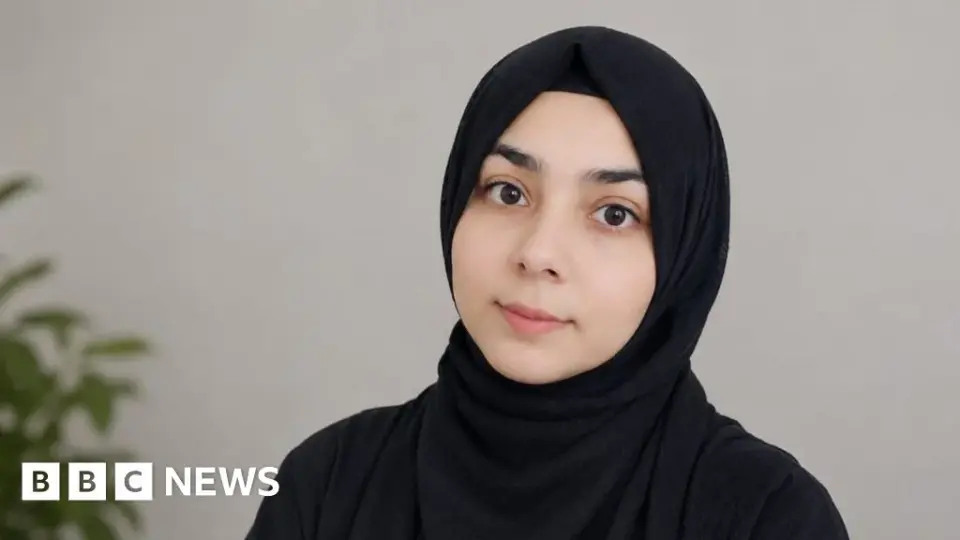
The UK Home Office’s March 2026 suspension of study visas for Afghan nationals has left women with university offers in a state of despair. Shahira Sadat, a software engineer in Kabul, lost access to a Chevening Scholarship and three UK master’s offers after the government cited a rise in asylum claims. While the Home Office points to new refugee routes, it declined to confirm if these apply to non-refugee students. Afghan women face severe Taliban restrictions, making the UK visa freeze a critical barrier to their education and career prospects.
Key points
- In March 2026, the UK Home Office imposed an 'emergency visa brake' on study and skilled work visas for nationals from Afghanistan, Cameroon, Myanmar, and Sudan, citing widespread visa abuse and a surge in asylum claims.
- Shahira Sadat, a software engineer in Kabul, received offers from Sussex, Bradford, and Northeastern University London, as well as a Chevening Scholarship interview invitation, but was subsequently rejected due to the visa suspension.
- The Home Office stated that 95% of Afghan asylum claims between 2021 and September 2025 originated from study visa routes, justifying the policy to ease pressure on the immigration system.
- Afghan women face severe restrictions under the Taliban, including bans on secondary education and most forms of work, making international study opportunities vital for their future.
- The Home Office highlighted the reopening of the UK Resettlement Scheme and new refugee study routes but did not clarify if these pathways are available to Afghan women not classified as refugees.
Background
This development follows a broader trend of tightening visa policies in Western nations. In the US, international student enrollment dropped by 9% in 2026 due to visa restrictions and new fees, while Vice President JD Vance expanded crackdowns on foreign labor and visa fraud. In the UK, recent investigations into fake art credentials for Global Talent visas have heightened scrutiny on immigration integrity. These measures reflect a global shift toward stricter controls on international mobility, particularly for students from regions with high asylum claim rates.
Why it matters
The visa suspension exacerbates the isolation of Afghan women, who are already barred from education and work by the Taliban. By closing study routes, the UK may be inadvertently reinforcing the Taliban’s restrictions, leaving women with fewer options to escape their constrained circumstances. The policy also raises questions about the balance between immigration control and supporting vulnerable populations, as the Home Office’s alternative refugee routes may not reach all affected individuals.
What to watch
The Home Office is expected to monitor the impact of the visa brake on asylum claims and may adjust policies based on future data. Afghan women will continue to seek opportunities in other countries, though they fear similar restrictions may follow. The UK’s refugee study routes and resettlement scheme will be closely watched to determine if they provide viable alternatives for non-refugee students.
Want the full story? Read the original reporting
Read on BBC