
Ukraine Demands UN Security Council Action After Deadly Russian Strikes Kill 25
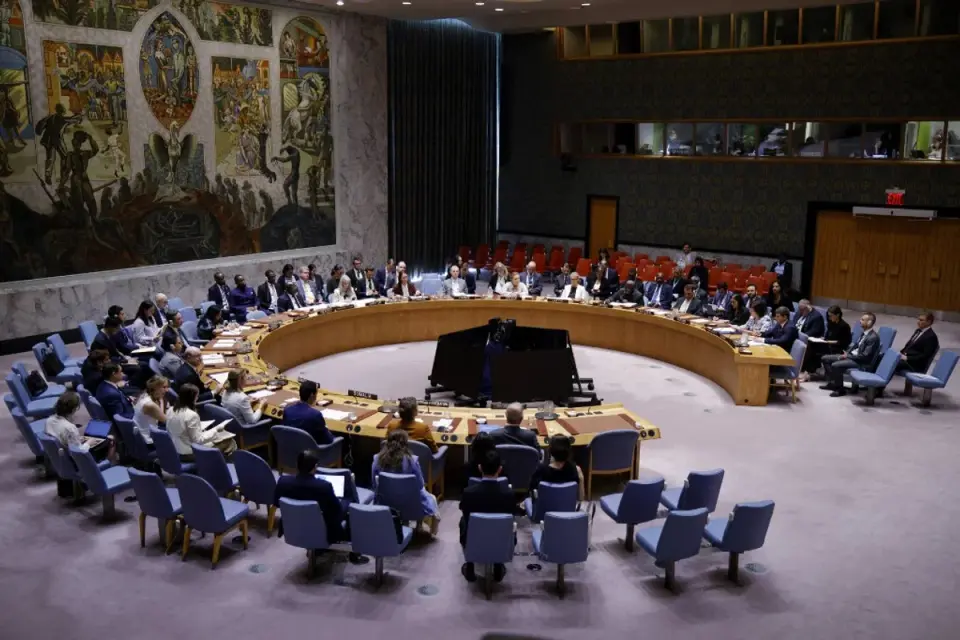
Ukraine requested an emergency UN Security Council meeting on October 30 following Russian missile and drone attacks that killed at least 25 people and injured 110 across multiple cities. Kyiv accused Moscow of using its veto power to block accountability and called for increased air-defense support and tougher sanctions. European leaders condemned the strikes as 'cruel and devastating,' while President Zelensky warned of further ballistic missile threats. The violence coincided with US moves to ease sanctions on Russian energy, which Kyiv argues emboldens aggression. A fragile ceasefire in Oleshky held, but two people died during de-mining operations there.
Key points
- Ukraine requested an emergency UN Security Council meeting on October 30 over Russian strikes that killed at least 25 people and injured 110 nationwide.
- A Russian jet-powered drone struck a Dnipro railway platform on October 29, killing 14 people and injuring 14 others, including an 11-year-old boy.
- Russian attacks also hit Chernihiv, killing two 15-year-old girls and injuring 27, and Kremenchuk, killing three and injuring 32, including six children.
- Ukrainian Foreign Minister Andrii Sybiha accused Russia of using its permanent Security Council seat and veto power to block action on its own war.
- President Zelensky warned that Ukraine has intelligence about preparations for new Russian ballistic missile strikes and called for more air-defense capabilities.
- European leaders, including EU Council President António Costa and French President Emmanuel Macron, condemned the strikes and called for increased pressure on Russia.
Background
This escalation follows earlier Ukrainian deep-strike campaigns targeting Russian missile production facilities, including the Omsky Kauchuk chemical plant and a Belgorod logistics hub in late October 2026. In September 2026, Polish Foreign Minister Radosław Sikorski warned at the UN Security Council that Russia was preparing 'something big' and called for Moscow's exclusion from the council, a move analysts noted was largely rhetorical due to procedural barriers. The current strikes also come amid a fragile local ceasefire in Oleshky, which has been under Russian occupation since 2022 and faces severe shortages of food, water, and medicine.
How outlets are covering it
Kyiv Post and The Guardian emphasize the scale of civilian casualties and the diplomatic response, with Kyiv Post highlighting Ukraine's call for Russia's removal from the Security Council and The Guardian focusing on European outrage and the fragile Oleshky ceasefire. UNITED24 Media reported a lower death toll of 20, while Kyiv Post and The Guardian cited 25 and 14 respectively for the Dnipro strike alone, indicating discrepancies in casualty counts. Ukrainian Pravda highlighted Kyrylo Budanov's call for Ukraine's partners to strike Russian defense industry facilities in response, a perspective not emphasized by the other outlets. All sources agree that the strikes coincided with US moves to ease sanctions on Russian energy, which Kyiv argues emboldens aggression, but they differ in emphasis: Kyiv Post focuses on the UN veto issue, The Guardian on European diplomatic reactions, and Ukrainian Pravda on military retaliation.
Why it matters
The strikes demonstrate Russia's continued ability to target civilian infrastructure across Ukraine despite international calls for a ceasefire, raising concerns about the effectiveness of current sanctions and diplomatic pressure. The emergency UN Security Council meeting request highlights the limitations of the council's structure, as Russia's veto power prevents meaningful action. The coincidence of the strikes with US sanctions relief on Russian energy underscores the tension between Kyiv's call for accountability and Washington's efforts to engage Moscow economically. The fragile ceasefire in Oleshky, where two people died during de-mining, illustrates the ongoing humanitarian crisis in occupied areas. These developments may influence future US and European policy decisions regarding sanctions, military aid, and diplomatic engagement with Russia.
What to watch
Ukraine is expected to continue calling for increased air-defense capabilities and tougher sanctions on Russia. The US and European allies may face pressure to respond to the strikes, potentially through additional sanctions or military support. The fragile ceasefire in Oleshky may hold, but the risk of further violations remains high. Ukraine's military may resume strikes on Russian oil refineries after the US midterm elections, as the current pause is expected to last until late November. The emergency UN Security Council meeting may not result in action due to Russia's veto, but it could increase international attention on the conflict. Kyiv may also seek to leverage the strikes to push for Russia's removal from the Security Council, though procedural barriers make this unlikely.
- Ukraine Requests Emergency UN Security Council Meeting After Russian Strikes Kill at Least 20 Civilians Kyiv Post
- Russian drone strike kills 14 on Ukrainian rail platform, 6 die in other attacks Reuters
- Ukraine war briefing: Outrage in Europe after Russian drone kills 14 on rail platform in Dnipro The Guardian
- 20 Dead in Russian Strikes—Ukraine Convenes Emergency UN Meeting and Demands Russia Out UNITED24 Media
- Head of President's Office: Russian defence industry facilities must burn for every victim in Ukraine Українська правда
Want the full story? Read the original reporting
Read on Kyiv Post