
Visa Restrictions Block African Miss Universe Delegates from Puerto Rico Pageant
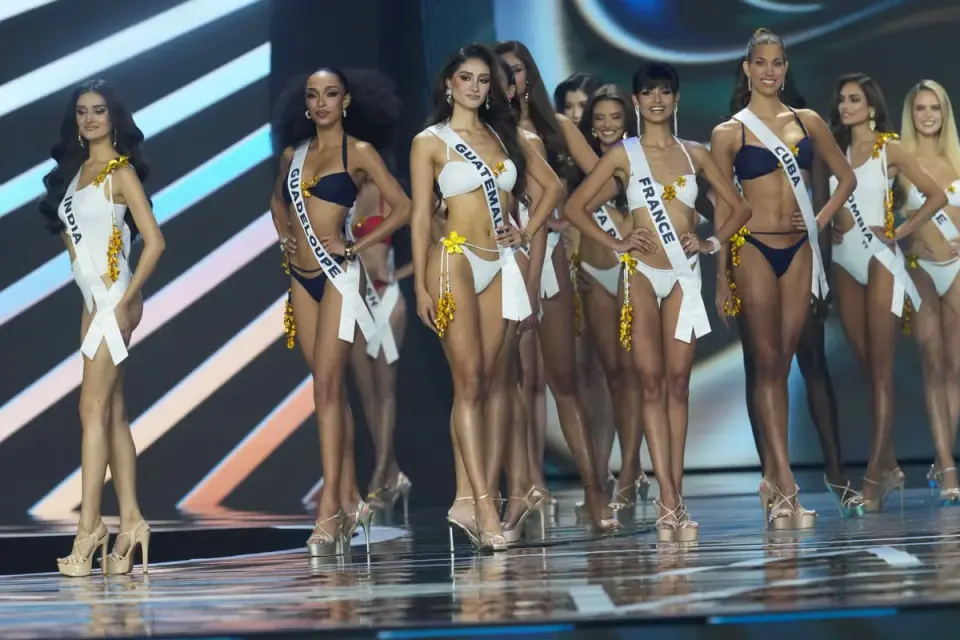
Two African contestants have withdrawn from the 75th Miss Universe pageant in Puerto Rico due to US visa restrictions, while others face uncertainty. The withdrawals stem from Presidential Proclamation 10998, which suspended visas for nationals of 19 countries, including several in Africa, effective January 2026. Organizers emphasize that the absences result from national policy, not individual failures, as the competition proceeds with preliminary activities starting November 21 and the final on November 24.
Key points
- Zambia and the Republic of Congo have withdrawn their representatives from the 75th Miss Universe competition in Puerto Rico due to US visa restrictions.
- Contestants from Zimbabwe and South Sudan are actively attempting to secure visas, though their participation remains highly uncertain as preliminary activities commence.
- The visa issues stem from Presidential Proclamation 10998, enacted in January 2026, which suspended the issuance of visitor, student, exchange, and immigrant visas for nationals of 19 countries, including several in Africa.
- Organizers and delegates expressed frustration, asserting that the contestants earned their titles and deserve to represent their nations, and that the withdrawals are linked to US policy rather than individual circumstances.
- The Miss Universe organization in Zambia stated that Pamela Mubanga, a 25-year-old nurse crowned Miss Universe Zambia on October 8, was unable to participate due to the travel restrictions affecting Zambia and other African countries.
Background
This situation follows earlier reports in November 2026 highlighting the impact of US travel policies on international cultural events. Previous coverage noted that the visa restrictions, effective since January 2026, have created uncertainty for African participants ahead of the November 24 final. The broader context includes ongoing tensions over US immigration policies affecting nationals from multiple African nations, as seen in earlier disputes involving the UK and Eritrea over deportation cooperation.
How outlets are covering it
The Independent and BBC report that contestants from Zambia and the Republic of Congo have withdrawn, while Zimbabwe and South Sudan remain in limbo. The New York Times confirms that Miss Zambia, Mubanga Pamela Hatyoka, will not travel due to visa issues, citing Arm Model Management. Business Insider Africa notes that the restrictions apply to Puerto Rico as a US territory, emphasizing that the policy affects 75 countries, including 26 in Africa, though the BBC and Independent specify 19 countries under Presidential Proclamation 10998. All sources agree that the withdrawals stem from national policy, not individual failures, but differ in the exact number of affected countries, with Business Insider citing a broader scope of 75 countries compared to the 19 countries mentioned in other reports.
Why it matters
The visa restrictions highlight the impact of US immigration policies on international cultural events, particularly those involving participants from African nations. The withdrawals and uncertainties faced by contestants underscore the broader implications of Presidential Proclamation 10998, which has affected not only Miss Universe but also other international events and travel. The situation raises questions about the fairness and inclusivity of global competitions when participants are barred due to national policies rather than individual circumstances.
What to watch
Contestants from Zimbabwe and South Sudan will continue attempting to secure visas as preliminary activities commence on November 21. The Miss Universe organization and delegates may seek further clarification or appeals regarding the visa restrictions. The pageant will proceed with the crowning of the winner on November 24, but the absence of several African contestants may impact the representation and diversity of the competition.
- Miss Universe contestants to miss competition due to Trump’s visa restrictions The Independent
- Africa Miss Universe beauty queens in limbo as US visa restrictions bite BBC
- Some of Africa’s most beautiful women face a complex hurdle from Trump’s hardline visa policies, as they find it difficult to enter Puerto Rico to showcase their beauty Business Insider Africa
- African Miss Universe Contestants Struggle to Get U.S. Visas The New York Times
- Miss Universe Contestants From Africa Struggle To Obtain American Travel Visas The New York Sun
Want the full story? Read the original reporting
Read on The Independent