
Court of Appeal quashes convictions of five ex-Barclays traders in Libor scandal
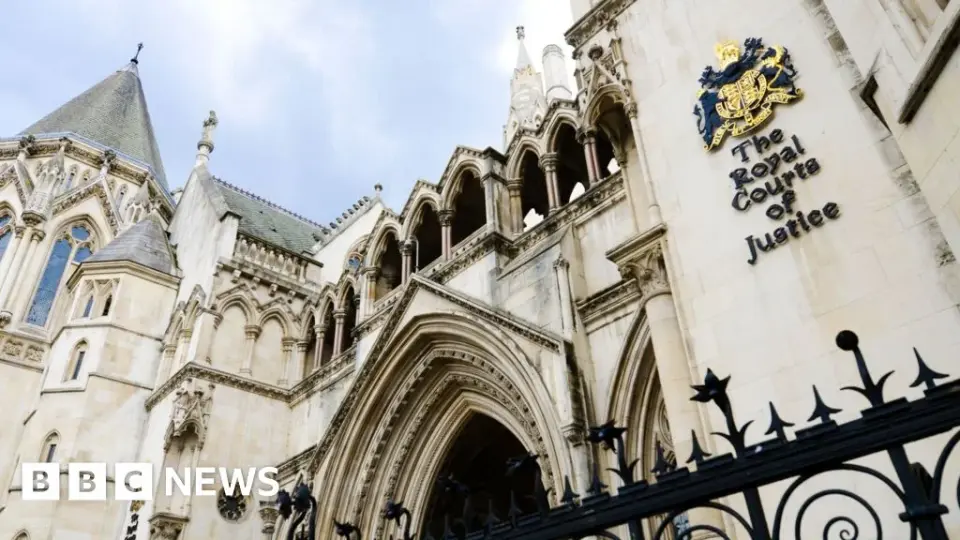
The UK Court of Appeal has overturned the convictions of five former Barclays traders for manipulating interest rates. The ruling follows a 2025 Supreme Court decision that invalidated the conviction of Tom Hayes, citing unfair jury directions. The Serious Fraud Office did not oppose the appeals, marking a significant collapse of the Libor prosecutions.
Key points
- The Court of Appeal quashed the convictions of Jay Merchant, Jonathan Mathew, Philippe Moryoussef, Alex Pabon, and Colin Bermingham on Wednesday.
- The five men were originally convicted of conspiracy to defraud for manipulating Libor and Euribor benchmarks between 2015 and 2019.
- Lord Justice Edis stated that the legal error identified in the 2025 Tom Hayes Supreme Court ruling was 'directly replicated' in these cases.
- The Serious Fraud Office (SFO) did not contest the appeals, stating it was not in the public interest to seek retrials.
- Only two traders, Christian Bittar and Peter Johnson, retain convictions for rate-rigging; Bittar's appeal is scheduled for October 9.
- Mathew described the quashing as validation that the original convictions were an injustice, ending a ten-year burden.
Background
The Libor scandal emerged in 2012, revealing that banks had misrepresented their positions to set lending rates during the 2008 financial crisis. This led to billions in fines and 19 convictions across the US and UK between 2015 and 2019. Recent archive data shows current mortgage rates hovering near 7%, underscoring the ongoing relevance of interest rate benchmarks, though the Libor mechanism itself is now defunct.
How outlets are covering it
Both BBC and Financial Times report the quashing of the five convictions, but the FT provides additional detail on the legal mechanism, noting that the SFO explicitly declined to oppose the appeals. The FT also highlights that the Supreme Court found the original jury directions 'inaccurate and unfair,' a point emphasized by Lord Justice Edis in the BBC report. While BBC focuses on the personal impact on the traders, such as Mathew's comments on family validation, the FT contextualizes the ruling within the broader collapse of over a dozen convictions globally.
Why it matters
This ruling signifies the near-total unraveling of the UK's Libor prosecutions, which were central to the public backlash against bankers after the 2008 crisis. The decision undermines the legal foundation of the convictions and may influence ongoing appeals by the last two convicted traders, potentially clearing the names of all but two individuals involved in the scandal.
What to watch
The Court of Appeal will hear the case of Christian Bittar on October 9. Peter Johnson, the original whistleblower who pleaded guilty, also hopes to appeal. Full reasons for the overturned convictions will be published later this week.
- Ex-bankers jailed for rigging rates have convictions quashed BBC
- Five more UK rate-rigging convictions quashed as SFO prosecutions unravel Reuters
- Ex-Barclays Traders Have Rate-Rigging Convictions Quashed by London Court Bloomberg.com
- Ex-Barclays traders’ rate-rigging convictions quashed Financial Times
- Five ex-Barclays traders see UK appeal judges quash rate-rigging convictions MLex
Want the full story? Read the original reporting
Read on BBC