
UK Judge to Rule on Celebrity's Bid to Block Sexual Misconduct Allegations
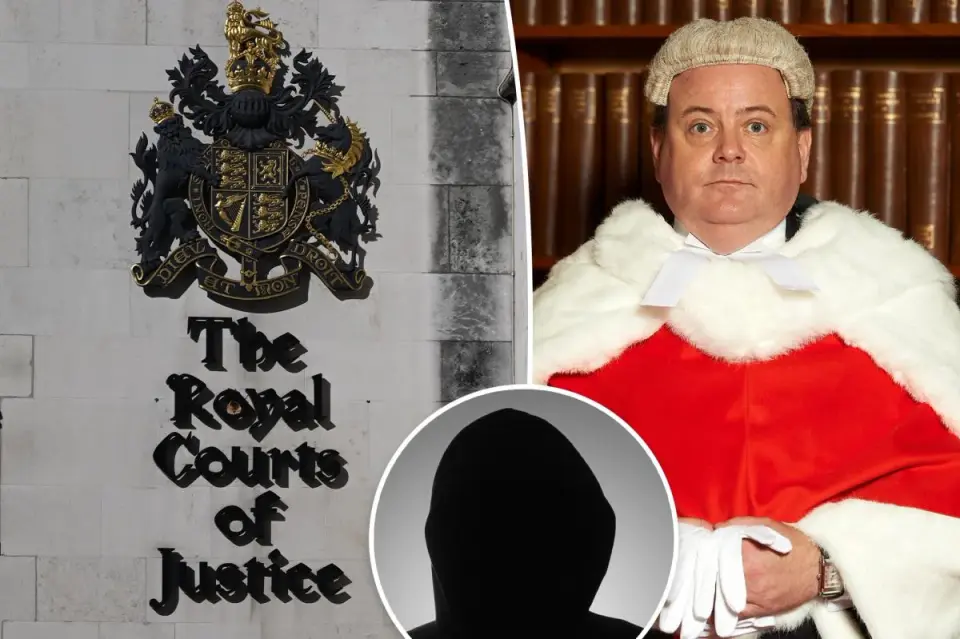
Mr Justice Nicklin is set to deliver a ruling on Tuesday at London's High Court regarding whether an unnamed celebrity, referred to as PPT, can block The Guardian and ITN from publishing allegations of sexual misconduct. PPT's legal team argues that publication would likely trigger a fatal suicide attempt, citing two prior incidents and severe mental health crises. The news outlets counter that their investigation involved over 100 sources and that the public interest in the allegations outweighs the risk to the claimant's life.
Key points
- Mr Justice Nicklin will announce his decision on Tuesday afternoon regarding a permanent injunction sought by an anonymous celebrity, known as PPT, to block publication of sexual misconduct allegations.
- PPT's legal team, led by Sara Mansoori KC, argues that publishing his identity and the allegations would 'highly likely' lead to his suicide, citing two previous attempts, months of hospitalization, and involuntary detention.
- The Guardian and ITN, represented by Gavin Millar KC, argue that their investigation was 'wide-ranging and rigorous,' involving more than 100 interviews, and that there is a strong public interest in publishing the claims.
- A medical report for the court suggested that inpatient treatment could mitigate the suicide risk, though not completely, while the judge emphasized that he cannot verify the truth of the allegations, only whether they can be published.
- Judge Nicklin urged the public and press not to speculate on PPT's identity, stating that online speculation does not authorize identification and that the case involves significant public interest.
Background
This case follows a two-day trial at London's High Court where PPT sought to block The Guardian and ITN from publishing allegations that he used his celebrity status to engage in 'inappropriate and exploitative sexual activities' with young women and teenagers. The case has drawn comparisons to previous 'super-injunctions' and sparked debate over press freedom versus privacy and mental health. Earlier coverage noted that PPT denied the allegations and claimed his suicidal reaction was due to fear of 'trial by media' rather than wrongdoing. The case has also raised concerns about setting a precedent that could allow other accused individuals to suppress allegations based on mental health risks.
How outlets are covering it
Page Six and BBC report that PPT's legal team argues publication would be 'potentially fatal' and that he has no intention of returning to public life. They emphasize his two prior suicide attempts and the involvement of more than 10 doctors. Variety highlights the legal rarity of such injunctions, noting that defamation lawyer Paul Tweed believes a genuine suicide risk is one of the few remaining grounds for such a block, but it must be confirmed by a psychiatrist. Variety also notes the 'Barbra Streisand Effect,' suggesting that attempting to suppress information may increase public curiosity. BBC and Page Six note that The Guardian and ITN argue that the state should not intervene in 'lawful journalistic activities' to prevent an 'autonomous act' by the claimant. All sources agree that Judge Nicklin will not determine the truth of the allegations, only whether they can be published.
Why it matters
The ruling will set a precedent for how UK courts balance press freedom against the mental health and safety of individuals accused of misconduct. If the injunction is upheld, it could allow other accused individuals to suppress allegations based on suicide risk, potentially undermining public interest journalism. If rejected, it will affirm the right of media outlets to publish allegations of sexual misconduct, even if the accused faces severe mental health consequences.
What to watch
Mr Justice Nicklin will deliver his ruling on Tuesday afternoon at London's High Court. The decision will determine whether The Guardian and ITN can publish the allegations and PPT's identity. If the injunction is upheld, the case may face appeals or further legal challenges. If rejected, the allegations will likely be published, potentially leading to further public scrutiny and legal proceedings against PPT.
- Mystery celebrity who threatened suicide over sexual misconduct set to learn his fate in court Page Six
- Can Abuse Allegations Against a Celebrity Be Silenced Over Mental Health Claims? A Defamation Lawyer Explains the Unusual Case Gripping the U.K. Variety
- Using suicide as a weapon is cheap and wrong The Times
- Unnamed celebrity accused of 'inappropriate sexual activities', court hears BBC
- Male celebrity accused of sexual misconduct threatens third suicide attempt if named Syracuse.com
Want the full story? Read the original reporting
Read on Page Six