
London clears 300 tonnes of waste after record 60th Notting Hill Carnival
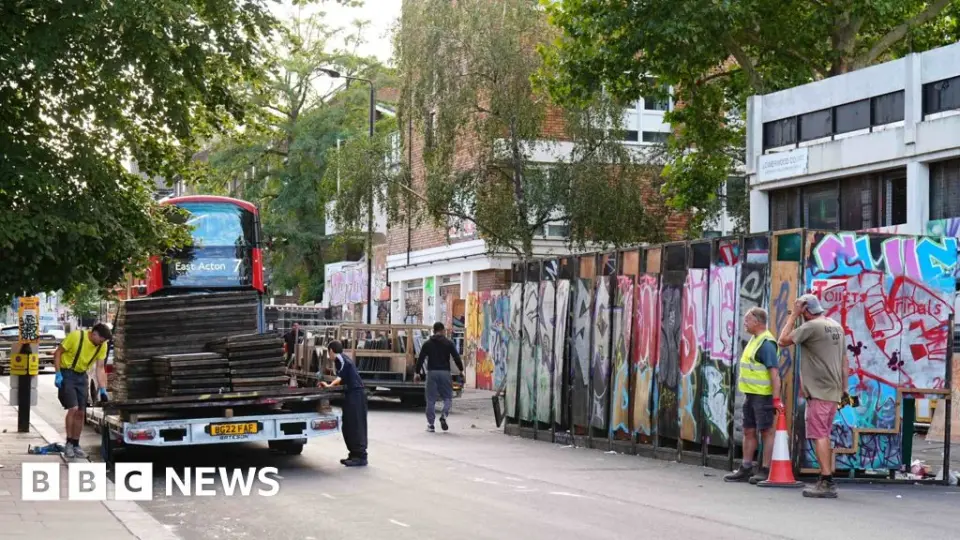
Kensington and Chelsea Council deployed 200 staff and 30 vehicles to remove over 300 tonnes of waste from North Kensington following the 60th Notting Hill Carnival. The event, which drew over two million people, is now the world's second-largest street festival, generating £400m annually. Mayor Sadiq Khan highlighted the cultural significance of the celebration, while cleanup operations continue through the week to restore the area.
Key points
- Over 300 tonnes of waste were cleared from North Kensington streets in an overnight operation involving approximately 200 council staff and 30 waste vehicles.
- The 60th anniversary of Notting Hill Carnival attracted more than two million attendees, marking it as the world's second-largest street festival.
- Kensing and Chelsea Council stated that about 30% of the collected waste is expected to be recycled, with street washing continuing until Saturday.
- Mayor Sadiq Khan announced an additional £4.66m in funding for the event, tripling the previous year's support to enhance safety measures, including doubling stewards and installing CCTV.
- The carnival generates approximately £400m for the London economy each year and is recognized as a symbol of Caribbean culture and community resilience.
Background
Previous coverage noted that the 60th anniversary celebrations included a 72-second Grenfell remembrance and heightened security measures. Earlier reports also highlighted the economic impact of the festival and its roots in 1950s activism by Claudia Jones, which aimed to counter racial violence in Notting Hill.
How outlets are covering it
BBC focused on the logistical scale of the cleanup, emphasizing the rapid restoration of streets for residents. The Guardian, via Mayor Sadiq Khan, framed the event as a vital cultural symbol of London's diversity and justified increased funding for safety. British GQ highlighted the social atmosphere and international appeal, noting the presence of visitors from Paris and the diverse fashion choices of attendees. The Financial Times article was inaccessible due to a paywall, so no perspective could be extracted.
Why it matters
The successful cleanup and high attendance underscore the carnival's status as a major economic and cultural driver for London. The significant investment in safety and infrastructure reflects the city's commitment to preserving this global event while managing its logistical challenges and ensuring community resilience against historical and ongoing social tensions.
What to watch
Street washing and graffiti removal are scheduled to continue across the carnival area until Saturday. The council aims to fully restore the North Kensington streets to normal conditions by the end of the week, ensuring residents can return to their daily routines.
Want the full story? Read the original reporting
Read on BBC