
Houthi Strikes Kill 14 in Riyadh as Saudi Arabia Vows Retaliation and US Weighs Intervention
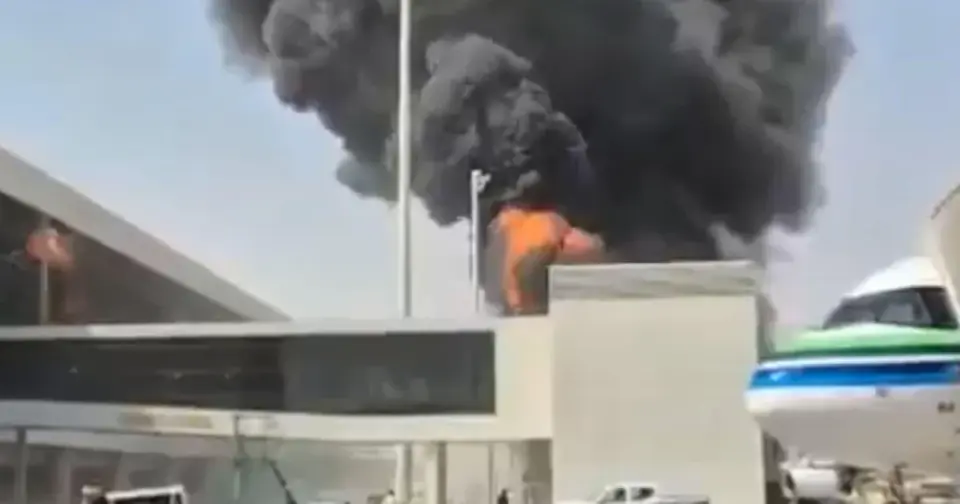
Iran-backed Houthis launched new strikes on Saudi and Yemeni airports, killing at least 14 people in Riyadh and prompting Saudi Arabia to vow a 'serious' response. President Trump is considering direct US military involvement, while Tehran continues indirect diplomatic talks with Washington despite public rejections of a ceasefire proposal.
Key points
- Houthi missiles struck King Khalid International Airport in Riyadh on Sunday, killing one Pakistani national and injuring 11, following a Saturday attack that killed 13 and injured over 300.
- Saudi Arabia launched airstrikes on Sanaa, Yemen, killing one person and wounding 12, including a child, as the Houthis continued targeting Saudi infrastructure.
- President Trump stated the US 'may' join Saudi strikes on the Houthis, while Iranian Foreign Minister Abbas Araghchi confirmed ongoing indirect negotiations regarding a seven-point ceasefire proposal.
- The US military disabled a commercial vessel in the Gulf of Oman, part of a blockade that has turned around 135 ships and destroyed 10 tankers since July 14.
- Saudi Energy Minister Abdulaziz bin Salman warned that energy security is under threat, noting that global oil inventories are 'well below' six billion barrels.
Background
This escalation follows a week of intense Houthi attacks on Saudi aviation infrastructure, including a previous strike on October 9 that killed 12 people. The conflict is linked to the broader Iran-US tensions, with Iran’s blockade of the Strait of Hormuz and US naval actions in the Gulf. Saudi Arabia has been fighting the Houthis for over a decade, with the current escalation seen by some analysts as an extension of Iran’s conflict with Washington.
How outlets are covering it
CBS News and The New York Times focus on the immediate human toll and the physical destruction of airports, emphasizing the closure of King Khalid International. CNN provides analysis on Saudi Arabia’s limited military options, noting that ground deployment would undermine the kingdom’s image as a stable investment hub. Al Jazeera highlights Iran’s diplomatic stance, with Tehran claiming the Yemen escalation benefits 'only' Israel and criticizing US security guarantees. While all outlets agree on the severity of the attacks, they differ in emphasis: US outlets focus on Trump’s potential intervention, while Al Jazeera centers on Iranian diplomatic messaging and regional energy security concerns.
Why it matters
The strikes threaten global energy security and trade routes, with OPEC cutting its 2026 oil demand growth forecast to 400,000 barrels per day. The potential for direct US military involvement could expand the regional conflict, while the continued blockade of Iranian ports and Houthi attacks on Saudi infrastructure disrupt global supply chains and increase fuel prices.
What to watch
Saudi Arabia is expected to respond with 'equally serious' measures, potentially including expanded airstrikes in Yemen. The US is evaluating whether to join the strikes, while Iran continues to review the US response to its ceasefire proposal. The Canelo Alvarez vs. Christian M’billi boxing match in Riyadh is scheduled to proceed on October 31 despite the security concerns.
- Iran War Updates: Deadly Houthi attacks keep Saudi airport closed as Trump considers U.S. strikes in Yemen CBS News
- Saudi Arabia will have to respond to Houthi airport attack – but the choices are stark CNN
- Iran war live: Tehran says Yemen escalation benefits ‘only’ Israel Al Jazeera
- Saudi and Yemeni Airports Hit in New Round of Strikes The New York Times
- Attacks on Saudi Airports Threaten the Kingdom’s Ambitions WSJ
Want the full story? Read the original reporting
Read on CBS News