
Iran War's Energy Shock May Force Global Shift to Clean Power, Despite US Resistance
The eight-month US-Iran war has triggered the largest oil shock in history, driving global oil demand down by 2.5 million barrels per day and accelerating a shift toward electric vehicles and solar power in many regions, though the US remains an outlier due to policy rollbacks.
Key points
- Iran's blockade of the Strait of Hormuz pushed oil prices above $100 per barrel, causing the International Energy Agency to revise its 2026 forecast from a 930,000 barrel daily increase to a 2.5 million barrel daily decline.
- Global fossil fuel emissions are projected to fall by 0.5% in 2026, marking the first decrease since 2020, while coal demand is expected to rise by 1.2% as some nations seek cheaper alternatives.
- Electric vehicle sales in Europe, Australia, and parts of Asia have surged, with global EV sales up 4% in the second quarter of 2026, driven by high fuel costs and energy security concerns.
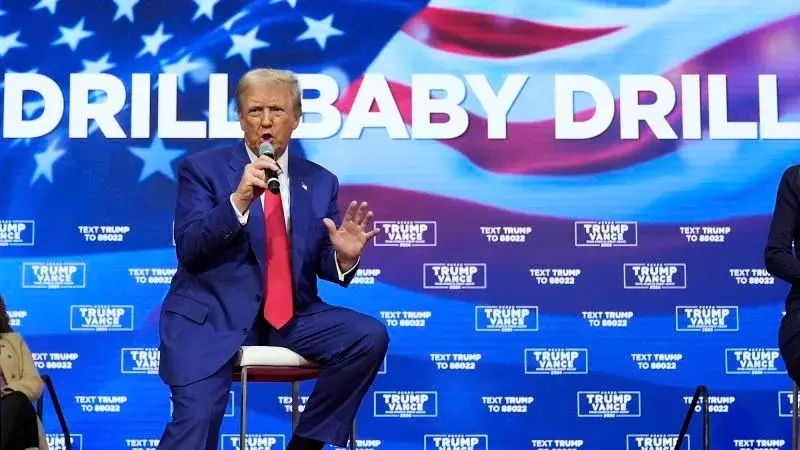
- The US is bucking the global trend, with EV sales down more than 30% this year due to the Trump administration's cuts to subsidies and bans on cheaper Chinese models.
- Analysts suggest that the longer the conflict lasts, the more permanent the shift away from oil may become, with some experts noting that oil demand may not recover to 2025 levels if the war continues for four years.
Background
The conflict began in February 2026 with a US and Israel strike on Iran, leading to a naval blockade of the Strait of Hormuz. Diplomatic talks have stalled, with Iran proposing a seven-day roadmap to reopen the strait in late September, but Washington has not responded. The war has persisted for eight months, with ongoing tensions and no breakthrough in negotiations.
Why it matters
The war is exposing the vulnerability of fossil fuel supply chains to geopolitical instability, potentially accelerating the global transition to clean energy. While the US is resisting this shift, other countries are investing heavily in solar and electric vehicles to ensure energy security, which could have long-term implications for global emissions and energy markets.
What to watch
The IEA projects a recovery in oil demand in 2027, but the permanence of the shift to clean energy will depend on the duration of the conflict. If the war lasts for four years, oil demand may never return to 2025 levels, according to DNV. The US may continue to lag behind in clean energy adoption due to policy rollbacks, while other countries may accelerate their transition to renewables.
Want the full story? Read the original reporting
Read on CNN