
Iran's Base Strikes Expose U.S. Vulnerability to Future Chinese Threats
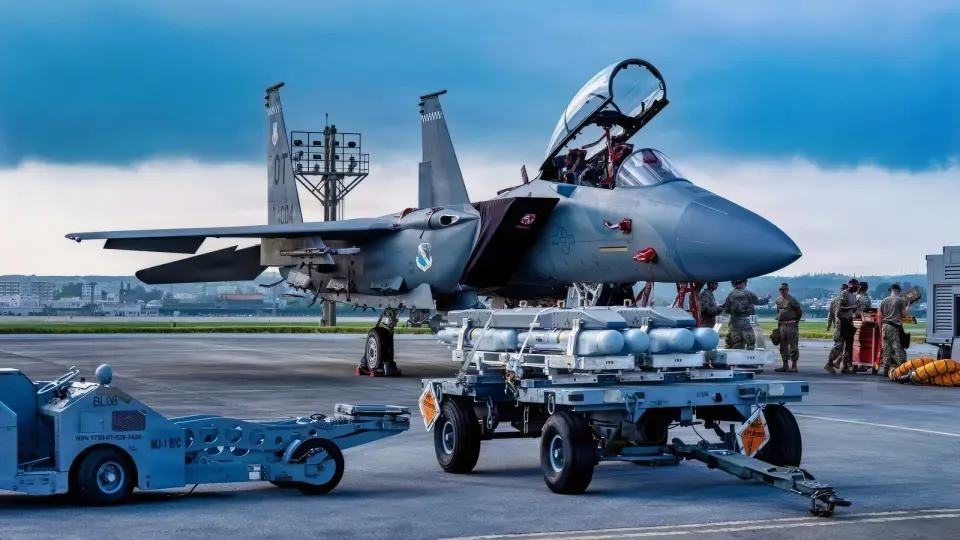
Iranian missile and drone strikes have severely damaged U.S. bases in the Middle East, exposing critical weaknesses in American air defense. While the U.S. avoided losing major platforms like aircraft carriers, the destruction of logistical hubs and the depletion of interceptor stocks highlight a strategic vulnerability that could be exploited by China in the Pacific. Officials warn that rebuilding depleted munitions reserves could take five years, raising concerns about readiness for a potential conflict with Beijing.
Key points
- Iranian strikes damaged 15 U.S. bases, crippling naval support for ships like the USS Abraham Lincoln.
- The U.S. lost 47 MQ-9 Reaper drones and multiple crewed aircraft, including F-15Es and KC-135 tankers.
- U.S. interceptor stocks for Patriot and THAAD systems are depleted by 50-66%, with replenishment taking five years.
- Analysts warn that U.S. mega-bases in East Asia face similar vulnerabilities to Chinese missile saturation.
- The CBO estimates replacement costs for lost hardware at $3.3 billion, potentially exceeding $4 billion.
Background
The conflict, known as Operation Epic Fury, began in February 2026. Earlier reports indicated that Iranian strikes on Jordanian bases damaged multiple aircraft, including an A-10 and F-15s, while U.S. munitions usage led to significant inventory shortfalls. The current situation reflects a broader pattern of U.S. reliance on fixed bases in contested regions.
How outlets are covering it
19FortyFive argues that Iran’s focus on bases rather than carriers was a strategic success, exposing U.S. vulnerabilities that China could exploit. The War Zone (TWZ) provides detailed data on aircraft losses and munitions depletion, emphasizing the financial and logistical strain on the U.S. military. The Telegraph was inaccessible, but its absence does not alter the core narrative of U.S. base vulnerability and munitions shortages.
Why it matters
The damage to U.S. bases and the depletion of interceptor stocks highlight a critical vulnerability in American military strategy. If the U.S. cannot defend its bases in the Middle East, it may struggle to do so in the Pacific against a more capable adversary like China. This could impact U.S. deterrence and regional alliances.
What to watch
The U.S. is likely to accelerate the development of cheaper, attritable drones to replace lost Reapers. Additionally, the Pentagon may reassess its reliance on fixed bases in East Asia, potentially investing in more distributed and hardened defense infrastructure. The replenishment of munitions stocks will be a long-term challenge, affecting U.S. readiness for future conflicts.
- 'Slow-Motion Defeat': Iran Found the Weak Spot in U.S. Power, and It Wasn't Aircraft Carriers or Fighter Jets. It Was the Bases. 19fortyfive.com
- Opinion | Iran Exposed How Vulnerable Our Bases Are The New York Times
- Every American Aircraft Lost Or Damaged During The Iran War, Visualized TWZ
- Iran is proving it can push America out of the Middle East The Telegraph
- Spidey sense smdailyjournal.com
Want the full story? Read the original reporting
Read on 19fortyfive.com