Ukraine's Operation Vivaldi has successfully dismantled Russia's northern pincer movement aimed at encircling the Donbas 'fortress belt.' While the Kremlin claims significant territorial gains, independent analysis confirms a net Russian retreat of over 80 square kilometers in September. Ukrainian forces reclaimed 176 square kilometers around Lyman, forcing Russian units onto the defensive and disrupting plans to advance on Sloviansk.
Ukrainian drone attacks have damaged two major Yandex data centers in Russia, disrupting AI development and digital services. The strikes, described by Kyiv as a 'mirror-like' response to Russian attacks on Ukrainian infrastructure, have forced Yandex to suspend operations at its Sasovo and Kaluga facilities. Ukraine also targeted missile production sites and an oil refinery, while Russia continued strikes on Ukrainian civilian and military targets.
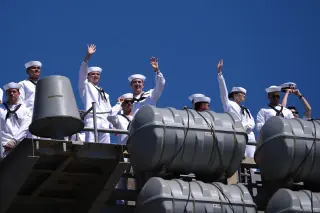
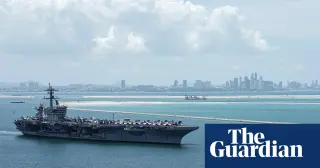
The USS Abraham Lincoln returned to its home port in San Diego on October 8, 2026, concluding a 322-day deployment that included combat operations against Iran. The mission, the second-longest for a U.S. aircraft carrier since the Vietnam War, saw the ship spend 265 consecutive days at sea without a port call. While Defense Secretary Pete Hegseth awarded the crew the Presidential Unit Citation, the return is marked by ongoing scrutiny over severe mental health crises, supply shortages, and at least eight suicide attempts reported during the extended mission.
Ukraine’s 3rd Army Corps has successfully executed Operation Vivaldi, recapturing approximately 175 square kilometers of territory in the Donetsk region since May. This advance, which utilized extensive robotic and drone capabilities, has forced Russian forces to retreat from key positions near Lyman and slowed their progress toward the fortress cities of Sloviansk and Kramatorsk. In response to these tactical setbacks, Moscow has intensified aerial bombardment on Ukrainian civilian infrastructure, resulting in significant casualties in Pryluky and Kramatorsk. While Ukraine continues to disrupt Russian fuel supplies through long-range strikes, the conflict remains characterized by high attrition rates and evolving defensive technologies.
Ukraine’s Operation Vivaldi has inflicted a significant operational defeat on Russian forces in the Lyman direction, collapsing the northern pincer of a planned encirclement of the Donetsk Fortress Belt. This disruption has forced Moscow to abandon its original strategy of linking northern and southern advances to seize the region, while Russian leadership continues to falsely claim territorial control despite battlefield realities.
The USS Abraham Lincoln returned to San Diego on October 8 after a 321-day deployment in the Iran war, marking one of the longest in modern naval history. The ship faced severe supply shortages and mental health crises, leading to eight suicide attempts. Defense Secretary Pete Hegseth awarded the crew the Presidential Unit Citation, dismissing criticism of the conditions.
The USS Abraham Lincoln docked in San Diego on October 8, 2026, ending a 322-day deployment that included combat operations against Iran. The ship set a modern Navy record for consecutive days at sea without a port call. While Defense Secretary Pete Hegseth awarded the crew the Presidential Unit Citation, the return is marked by ongoing scrutiny over severe supply shortages, mental health crises, and eight suicide attempts during the mission.
The USS Abraham Lincoln has returned to its home port in San Diego after a record-breaking 286-day deployment in the Middle East. The carrier, which operated near the Strait of Hormuz, arrived with visible hull wear and faced scrutiny over crew morale and supply issues. Although the Navy denied reports of missed meals, the extended mission highlighted the strain of prolonged deployments on sailors and the strategic importance of the region.
The U.S. Army has released an investigative report detailing systemic procedural and technical failures that contributed to the January 29, 2025, midair collision between a Black Hawk helicopter and American Airlines Flight 5342 near Washington, D.C., which killed 67 people. The report highlights unresolved issues with inaccurate altimeters on older Black Hawk models, a lack of formal near-miss reporting systems, and inadequate training for pilots operating in congested airspace. While the Army acknowledges the need to strengthen its safety culture and has implemented some immediate fixes, the report does not recommend disciplinary action for leaders. Families of the victims remain frustrated by redacted documents and the lack of accountability, urging Congress to pass legislation requiring military aircraft to broadcast their location.
The USS Abraham Lincoln has docked in San Diego, concluding a 322-day deployment that included combat operations against Iran. While the crew received the Presidential Unit Citation, the return is marked by political disputes over severe mental health crises, supply shortages, and the record-breaking length of the mission.
Ukraine's 3rd Army Corps has successfully reversed Russian territorial gains in northern Donetsk through a months-long counteroffensive known as Operation Vivaldi. By maintaining strict operational security and utilizing advanced robotic systems, Ukrainian forces reclaimed approximately 125 to 176 square kilometers of land, disrupting Moscow's plan to encircle the fortress belt of Sloviansk and Kramatorsk. While independent analysts confirm a net loss of territory for Russia in September, the Kremlin continues to claim significant advances, highlighting a growing disconnect between official Russian narratives and battlefield realities.
The USS Abraham Lincoln has returned to its home port in San Diego after a record-breaking 322-day deployment that included extensive combat operations against Iran. While the crew received the Presidential Unit Citation for their service, the return is overshadowed by severe mental health crises, supply shortages, and political disputes over the conditions endured by the 5,000-person crew.
The U.S.S. Abraham Lincoln arrived in San Diego on Thursday after a 322-day deployment, the longest since the Vietnam War. The ship supported the U.S.-Iran conflict, enduring supply shortages and mental health crises. Defense Secretary Pete Hegseth awarded the crew the Presidential Unit Citation, while Democrats demand an investigation into the harsh conditions.
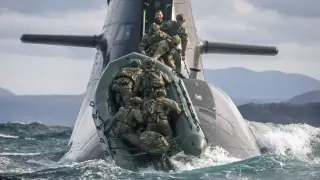
Exercise Strike Warrior 26, running from September 28 to October 9, marks the first time since the Afghanistan war that all specialist elements of the UK Commando Force have operated together. The drill involves over 2,000 personnel from six nations, including a German Type 212A submarine insertion at Cape Wrath, to rehearse integrated crisis response in the North Atlantic and High North.
Over 75 retired U.S. military leaders and legal experts signed an open letter rejecting allegations that Israel committed genocide in Gaza. Released by the Jewish Institute for National Security of America (JINSA) on the third anniversary of the October 7, 2023, Hamas attack, the letter argues that Israel’s actions do not meet the legal definition of genocide, which requires specific intent to destroy a protected group. Signatories, including former Marine Corps Commandant James Amos and former Supreme Allied Commander Europe Philip Breedlove, contend that the Israel Defense Forces (IDF) took extensive precautions to protect civilians, such as issuing advance warnings and providing humanitarian aid. They assert that civilian casualties, while tragic, do not constitute genocide under international law, especially when fighting an enemy that hides among civilians. The letter warns that accepting such accusations could set a dangerous precedent for future U.S. military operations.