
Singapore Prime Minister’s Pay Surges to $2.85 Million Under New Market-Linked Formula
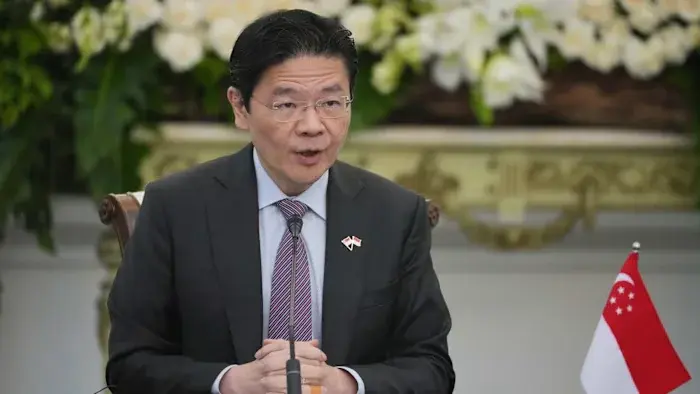
Singapore Prime Minister Lawrence Wong’s annual pay package will rise to S$3.6 million ($2.85 million) starting next month, following a review that links ministerial salaries to private-sector earnings. The increase, capped at 9% for current officeholders, aims to attract top talent and deter corruption, though it has sparked public debate over affordability and timing.
Key points
- Wong’s total compensation will increase from S$2.2 million to S$3.6 million, making him the world’s highest-paid political leader.
- The new pay structure benchmarks junior minister salaries against the median income of the 1,000 highest-earning Singaporeans, applying a 40% discount.
- Wong has pledged to donate his entire pay increase to charity for the next five years.
- The variable component of the pay, comprising 35% of the total, is tied to national economic metrics such as GDP growth and employment rates.
- The policy, initiated by Lee Kuan Yew in 1994, is designed to prevent corruption and retain high-caliber talent in government.
Background
Singapore’s controversial pay model for political leaders was established by founding father Lee Kuan Yew in 1994. The system pegs ministerial salaries to private-sector equivalents to ensure the government can compete for top talent. While the policy has historically enjoyed popular support as a corruption deterrent, it has faced criticism during periods of economic hardship. Previous reviews have adjusted the formula, but this is the first significant upward revision in 15 years.
How outlets are covering it
The Financial Times emphasizes the structural mechanics of the new pay model, highlighting the benchmarking against the top 1,000 earners and the lack of perks like pensions or private chauffeurs. BBC focuses on the public backlash, noting concerns about job security and the cost of living, while also detailing Wong’s pledge to donate the raise to charity. CNBC provides a comparative global context, noting that Wong’s new salary exceeds the combined statutory pay of leaders in the US, Switzerland, Australia, Canada, South Korea, and New Zealand. All three outlets agree on the rationale of attracting talent and deterring corruption, but differ in emphasis: FT on the formula, BBC on social sentiment, and CNBC on international comparisons.
Why it matters
The decision underscores Singapore’s unique approach to governance, prioritizing elite recruitment and anti-corruption measures over traditional political norms. It highlights the tension between economic efficiency and public sentiment in a high-cost-of-living environment, potentially influencing how other nations view political compensation structures.
What to watch
The new pay structure will take effect next month. Further adjustments for ministers will depend on individual performance and the achievement of national economic targets. The government will monitor public reaction and the effectiveness of the pay model in attracting top talent to political office.
- Benchmarking and bonuses: why Singapore pays its politicians like bankers Financial Times
- Highest paid world leader to get salary increase of $1 million BBC
- The world's highest paid leader is set for a 64% pay rise. Here's how others compare CNBC
- One of the World’s Highest-Paid Political Leaders Just Got a Big Raise WSJ
- Why This Politician Is Getting a 64% Raise The New York Times
Want the full story? Read the original reporting
Read on Financial Times