
Maricarmen Abascal Dies, Cementing Her Status as the Face of Spain’s Housing Crisis
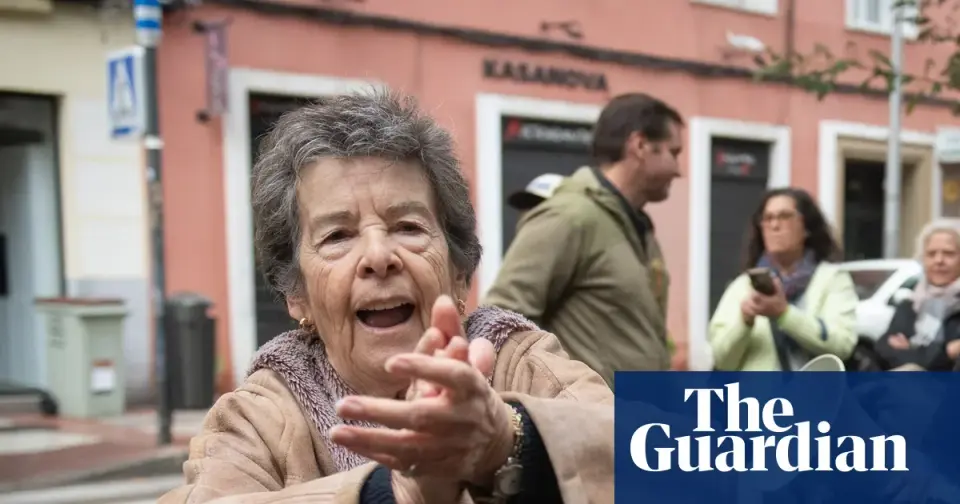
María del Carmen Abascal, the 87-year-old pensioner whose forced eviction from her Madrid home ignited a national housing crisis, has died. Her death, occurring weeks after she was removed from her apartment by police, has intensified public anger and solidified her status as a symbol of the struggle against rising rents. The tragedy has accelerated political turmoil, with Prime Minister Pedro Sánchez calling a snap election for November 29 after his government failed to pass emergency housing reforms. While a late agreement allowed her to return to her home, she passed away before it could take effect, prompting widespread mourning and renewed calls for systemic change across Spain.
Key points
- María del Carmen Abascal, known as Maricarmen, died at age 87 after being evicted from her Madrid apartment in September 2026.
- Her eviction, which involved police using teargas and removing her on a stretcher, sparked massive nationwide protests and a general strike.
- The investment firm that purchased her home agreed to let her return, but she died in hospital before the agreement could be finalized.
- Prime Minister Pedro Sánchez called a snap election for November 29 after his government failed to pass emergency housing measures in parliament.
- The new housing decrees include measures to regulate room rentals, tax seasonal rentals, and protect vulnerable residents from eviction.
Background
Maricarmen Abascal had lived in her Madrid apartment for over 70 years before an investment firm purchased the building and attempted to raise her rent by 230%. Her eviction in September 2026 became a focal point for Spain’s housing crisis, with rents soaring 80% and house prices climbing 63% over the previous decade. The incident triggered a wave of protests, encampments, and political pressure, leading to the current crisis and snap election.
How outlets are covering it
The Guardian and CNN emphasize the symbolic nature of Abascal’s death, highlighting how her eviction crystallized public anger and led to a political crisis. CNN notes the significant turnout of protesters, with some estimates reaching 950,000 people. The Los Angeles Times focuses on the legal and human impact, quoting her lawyer Beatriz Duro on the 'shameful violence' of evictions. All sources agree on the political fallout, including Sánchez’s snap election and the passage of new housing decrees, but differ in their emphasis on the scale of the protests and the specific measures of the new decrees.
Why it matters
Abascal’s death underscores the severe human cost of Spain’s housing crisis and the failure of existing policies to protect vulnerable residents. It has galvanized a national movement, forced the government to act, and reshaped the political landscape, making housing a central issue in the upcoming snap election. The case highlights the tension between speculative real estate investments and the right to housing, a debate that is likely to define Spanish politics for years to come.
What to watch
The new housing decrees will be voted on by the permanent council of congress, with Sánchez expected to secure enough support to pass at least one. The snap election on November 29 will likely center on housing policy, with Sánchez aiming to form a new government that can address the crisis. The general strike called by unions is expected to further pressure the government and political parties to act on housing reforms.
- María del Carmen Abascal, symbol of Spain’s housing protests, dies aged 87 The Guardian
- 87-Year-Old Spanish Woman Whose Eviction Sparked National Protests Has Died People.com
- ‘Maricarmen,’ Whose Eviction Enraged Spaniards, Dies at 87 The New York Times
- Maricarmen: Evicted 87-year-old who became a symbol of Spain’s housing crisis has died CNN
- Maricarmen, the 87-year-old woman whose eviction shook Spain, dies in hospital Los Angeles Times
Want the full story? Read the original reporting
Read on The Guardian