
AfD’s Saxony-Anhalt Landslide Reshapes European Far-Right Strategy
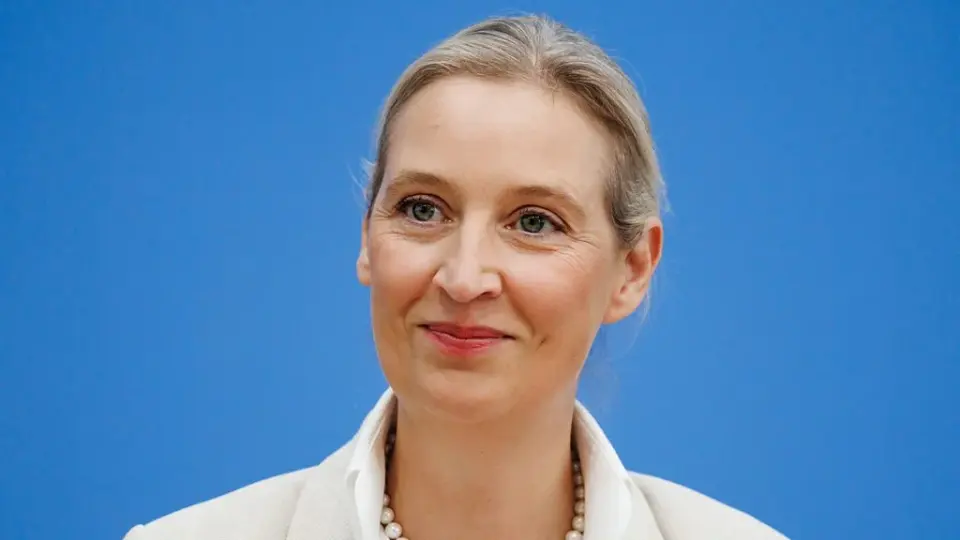
The Alternative for Germany (AfD) won nearly 44% of the vote in Saxony-Anhalt, marking the first significant far-right state victory since World War II. This result challenges the assumption that populist parties must moderate to gain power, as the AfD surged by doubling down on radical anti-immigration and pro-Russian stances. While the party is three seats short of a majority in the state, its national polling at 28% threatens the 'firewall' of mainstream parties. The outcome has implications for the war in Ukraine, with Russia celebrating the win and Europe watching how other far-right leaders will respond to the shift.
Key points
- AfD secured 44% of the vote in Saxony-Anhalt, the first major far-right state win in Germany since 1945.
- The party is labeled 'right-wing extremist' by domestic intelligence but leads national polls at 28%.
- AfD platform includes defunding 'anti-German' art, reducing Holocaust education, and promoting 'remigration' of migrants.
- Chancellor Friedrich Merz called the result 'deeply shocking' but pledged to maintain support for Ukraine.
- Russia’s envoy Kirill Dmitriev hailed the win as 'historic,' while Ukraine’s Zelenskyy fears erosion of European support.
- The AfD’s success contrasts with the 'Melonization' of Italy’s Giorgia Meloni and France’s Marine Le Pen, who moderated their platforms.
Background
This development follows earlier discussions on how far-right parties in Europe have historically struggled to gain power without moderating their rhetoric. The AfD’s success in Saxony-Anhalt, a state in former East Germany, highlights a shift in strategy where radicalism is rewarded at the ballot box. The archive background on Mimas is unrelated to this political story and is excluded from the analysis.
How outlets are covering it
BBC emphasizes the cultural impact, noting the AfD’s challenge to Germany’s 'memory culture' and its pledge to reduce teaching about Hitler. Politico focuses on the strategic implications, arguing that the AfD’s radical approach is inspiring other far-right movements in Europe, such as Portugal’s Reconquista and France’s National Rally, to avoid moderating their platforms. The Christian Science Monitor highlights the geopolitical consequences, particularly for the war in Ukraine, noting that while the AfD supports Russia, other far-right leaders like Meloni and Le Pen have distanced themselves from the Kremlin, creating a complex dynamic for European support of Kyiv. The outlets agree on the AfD’s electoral success but differ on whether this radicalism will translate to national power or remain a local phenomenon.
Why it matters
The AfD’s victory signals a potential shift in European politics, where radical far-right parties may no longer need to moderate to win elections. This could impact migration policies, cultural memory, and international alliances, particularly regarding the war in Ukraine. The outcome also raises questions about the 'firewall' of mainstream parties and the future of European support for Kyvi, as far-right parties in other countries may follow the AfD’s lead or diverge based on their own strategic calculations.
What to watch
The AfD is three seats short of an absolute majority in Saxony-Anhalt, making coalition formation difficult due to the 'firewall' of mainstream parties. National elections in France, Poland, and Italy are expected in 2027, where far-right parties are polling strongly. The outcome of these elections will determine whether the AfD’s radical strategy translates to broader European power or remains a local phenomenon. Chancellor Merz’s ability to maintain his coalition and support for Ukraine will also be a key factor in the coming months.
- The Global Story | How the AfD is rewriting German history BBC
- The AfD Is Trying to Turn Its First State Government Into a Far-Right Policy Lab WSJ
- A new path to power for the far right: Don’t moderate. Stay radical. politico.eu
- With Messaging That Mirrors Putin’s, Germany’s Far-Right Party Gains Ground The New York Times
- What the far right’s victory in Germany could mean for the war in Ukraine The Christian Science Monitor
Want the full story? Read the original reporting
Read on BBC