
Albania's Fifth Day of Unrest: Rubber Bullets and Hundreds Arrested as Rama Refuses to Step Down
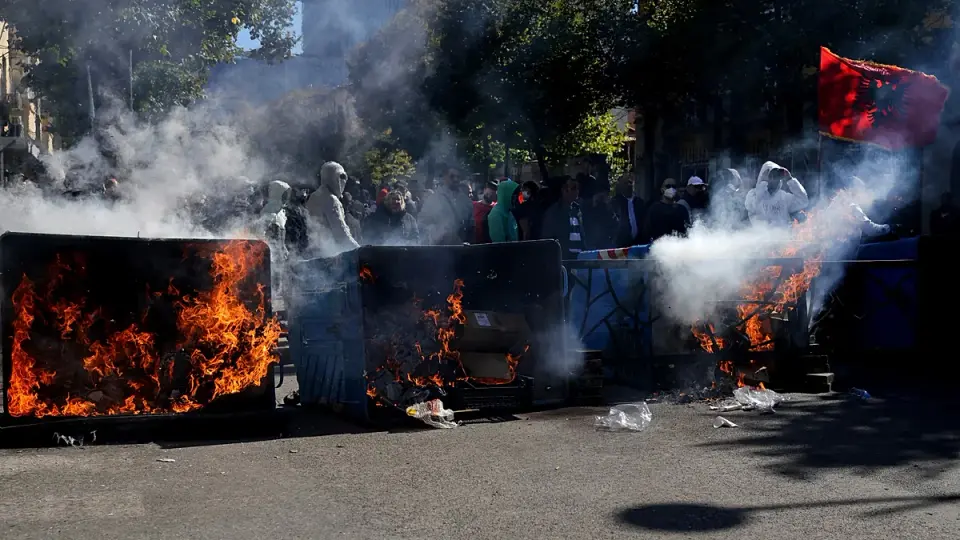
Albanian police deployed rubber bullets and tear gas on October 17, arresting 167 people during the fifth day of violent anti-government protests in Tirana. Demonstrators, primarily students, demand the resignation of Prime Minister Edi Rama over corruption and poor education conditions, while Rama blames opposition parties and foreign actors for inciting the unrest.
Key points
- Police used rubber bullets for the first time since the protests began, alongside tear gas and water cannons, to disperse crowds in central Tirana.
- Authorities reported 167 arrests and 132 injured officers over five days of unrest, with seven officers suspended for alleged excessive force.
- Protesters, including high school and university students, threw stones and petrol bombs at police near the Education Ministry and Rama's office.
- Prime Minister Edi Rama refused to resign, accusing conservative opponents and unnamed foreign actors of inciting violence to halt Albania's EU progress.
- The unrest stems from the 'Flamingo Revolution,' initially opposed to a Kushner-linked luxury resort, now demanding Rama's resignation and better youth opportunities.
Background
The current escalation follows months of growing anti-government sentiment in Albania. Our archive notes that the 'Flamingo Revolution' began in May 2026 as a campaign against a luxury tourism development linked to Jared Kushner. By September, protests had turned violent as police blocked a 100-day march. In early October, clashes intensified with fires at the Education Ministry, marking the most severe unrest since the demonstrations began. The current fifth day of protests represents a significant escalation in both police response and public participation.
How outlets are covering it
Euronews and Al Jazeera confirm the use of rubber bullets and the high arrest count, citing police chief Skender Hita. BBC provides granular detail on the violence, noting petrol bombs and the shift of protests to Rama's office, while highlighting the political context of Rama's 13-year rule. AP News, though largely obscured by technical code in the source, aligns with the narrative of escalating clashes. All sources agree on the core facts of the fifth day of unrest and Rama's refusal to resign, but BBC emphasizes the 'war zone' atmosphere and the role of the special prosecution service in investigating corruption, while Euronews and Al Jazeera focus more on the immediate police response and casualty figures.
Why it matters
The unrest threatens the stability of Edi Rama's government, which has dominated Albanian politics since 2013. The protests challenge the EU's favorable view of Rama as a reformist leader steering Albania toward membership by 2030. The escalation to rubber bullets and mass arrests signals a potential breakdown in the rule of law, while the involvement of students highlights deep-seated issues with education and employment that could persist beyond the current crisis.
What to watch
The situation is expected to remain volatile as students continue to boycott classes and demand Rama's resignation. The government may face increased pressure from the EU and international observers regarding the use of force. Rama's refusal to resign and his blame of 'foreign actors' could further polarize the political landscape, potentially leading to more violent clashes or a political crisis if the opposition can mobilize broader support.
- Violence in Albania as protesters call for PM to resign Euronews.com
- Anti-government protesters battle with police in Albania BBC
- Albanian PM says mass protests a threat to EU membership, not government Reuters
- Riots in Tirana enter a fifth day as Albania’s anti-government protests escalate AP News
- Albanian police fire rubber bullets as protests against Rama escalate Al Jazeera
Want the full story? Read the original reporting
Read on Euronews.com