
UK Wealth Exodus Accelerates as Greece Lures Billionaires Amid Israel Sanctions
Billionaire Chris Rokos is relocating to Greece, joining a wave of wealthy individuals leaving the UK due to tax reforms. Simultaneously, the UK government announced new sanctions against Israel, drawing sharp criticism from Israeli and Jewish leaders.
Key points
- Chris Rokos, the UK's third-largest taxpayer who paid £330m in 2025, is moving his tax residency to Greece and opening an office in Athens.
- Greece introduced a new tax regime in June offering a 5% rate on bonuses and carried interest for hedge fund executives, requiring a minimum €3m annual operating spend.
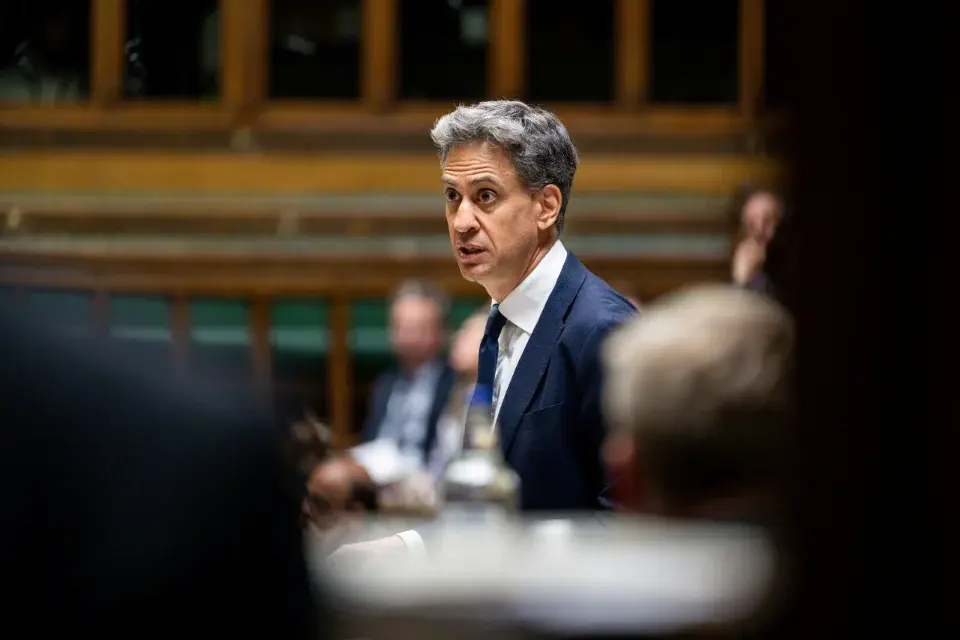
- UK Foreign Secretary Ed Miliband announced sanctions including an arms embargo and import bans on goods from Israeli settlements, defining the entire occupation as unlawful.
- Israel responded by closing the British consulate in Jerusalem and expelling diplomats, with Foreign Minister Gideon Sa'ar warning of reciprocal actions.
- UK long-term borrowing costs have risen to nearly 6% for 30-year gilts, the highest since 1998, reflecting market concerns over fiscal stability.
Background
The UK has seen a series of high-profile departures by wealthy individuals since the Conservative government began overhauling the non-domiciled resident tax regime in 2024. The Labour government's recent changes, which shorten the period before foreign income is taxed and expand inheritance tax, have accelerated this trend. Previous exits include figures such as Lakshmi Mittal and Nassef Sawiris, who relocated to the UAE and Italy respectively. This exodus occurs against a backdrop of rising public debt and political tensions over foreign policy.
How outlets are covering it
FreeBeacon frames the UK's sanctions against Israel as a distraction from domestic economic failures, arguing that 'gesture politics' are driving capital away. In contrast, the BBC and The Guardian focus on the fiscal mechanics, noting that while Rokos's departure represents a significant loss of £330m in annual tax revenue, official data shows only a modest 0.5% decline in non-domiciled residents. The Financial Times highlights Greece's aggressive marketing of its new tax incentives, noting that while Athens is attracting interest, it still faces competition from established hubs like Switzerland and Italy. While FreeBeacon criticizes the sanctions as anti-Semitic, The Guardian and BBC report the diplomatic fallout neutrally, focusing on the economic impact of the wealth exodus rather than the geopolitical rhetoric.
Why it matters
The departure of major taxpayers like Rokos signals a potential erosion of the UK's status as a global financial hub, potentially leading to reduced tax revenue and a decline in the asset management sector. Simultaneously, the sanctions against Israel risk damaging diplomatic relations and trade, complicating the UK's economic recovery efforts. These dual challenges highlight the tension between domestic fiscal policy and international geopolitical commitments under the current Labour government.
What to watch
Chancellor John Healey is expected to present his first budget on October 28, where decisions on wealth taxes and public spending will be crucial. Greece is expected to continue courting other hedge funds, while Israel may escalate its diplomatic response to the UK's sanctions. The UK government faces pressure to reverse tax policies to retain talent, but political constraints may limit immediate action.
- As Billionaires Flee U.K., British Government Picks a Fight With Israel freebeacon.com
- How Greece is wooing hedge funds ft.com
- Billionaire Chris Rokos, who paid £330m in tax last year, to quit UK The Guardian
- Chris Rokos: UK's third-biggest taxpayer to leave for Greece BBC
- Britain’s latest billionaire exit to cost tax of 38,000 workers The Times
Want the full story? Read the original reporting
Read on freebeacon.com