
Morocco’s 2026 Election: Youth Unrest, Football Fame, and the Israel Debate
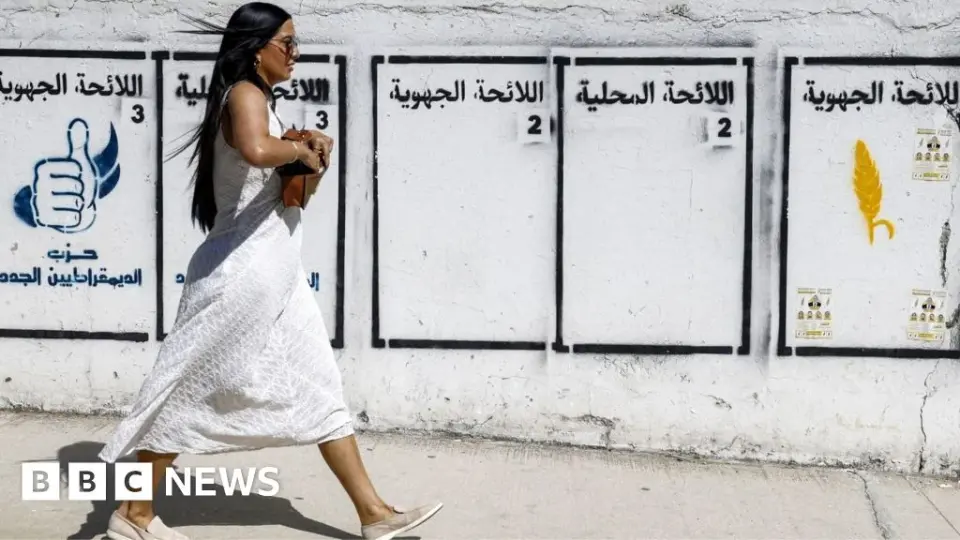
Moroccan voters face a pivotal parliamentary election on September 23, 2026, where youth unemployment, the recent Ceuta migration crisis, and diplomatic ties with Israel are central campaign issues. While 27 parties compete for 395 seats, King Mohammed VI retains significant power by appointing the prime minister. The campaign is defined by a disconnect between formal politics and the grievances of young Moroccans, who recently protested over healthcare and jobs. Key figures include football federation head Fouzi Lekjaa, who leverages his popularity to join the ruling party, and former PM Abdelilah Benkirane, who campaigns on ending ties with Israel. Despite high youth unemployment, voter registration among 18-24-year-olds remains low, raising questions about the impact of the vote on the country's future.
Key points
- Morocco holds parliamentary elections on September 23, 2026, with 27 parties competing for 395 seats in the House of Representatives.
- King Mohammed VI retains executive power, appointing the prime minister from the winning party while presiding over the Council of Ministers.
- Youth unemployment stands at 37.3% for ages 15-24, driving recent Gen Z protests and migration to the Spanish enclave of Ceuta.
- Fouzi Lekjaa, president of the Royal Moroccan Football Federation, joined the ruling Party of Authenticity and Modernity (Pam) in July, using viral football slogans to campaign.
- The Justice and Development Party (PJD) is campaigning on a platform to end diplomatic ties with Israel, reversing the 2020 Abraham Accords normalization.
- Only 4% of registered voters are aged 18-24, despite over half the population being under 35, indicating low youth political engagement.
Background
This election follows a wave of Gen Z protests in September 2025, which erupted over unemployment, healthcare failures, and living costs. The unrest, which included slogans demanding the resignation of Prime Minister Aziz Akhannouch, led to over 2,400 prosecutions. Additionally, the campaign is shadowed by the July 2026 migration surge, where approximately 60,000 people crossed from Morocco to Ceuta, resulting in at least 100 deaths. This crisis highlighted the lack of economic opportunities for young Moroccans. The political landscape is also influenced by the 2020 Abraham Accords, which normalized ties between Morocco and Israel, a move now contested by opposition parties.
How outlets are covering it
BBC emphasizes the disconnect between young voters and the political establishment, noting that many young Moroccans view the election as a 'circus' and are disillusioned by traditional promises. They highlight the rise of new candidates like Hamza El Kharroubi, who entered politics after being arrested during the 2025 protests. Al Jazeera focuses on the potential for increased youth engagement, citing figures like Az-el Arab Hilmi, who argue that young people demand tangible results in healthcare and education rather than general promises. Al Jazeera also notes that while youth voter registration is low, the Gen Z movement has forced parties to include younger faces in their campaigns. Both sources agree that the Ceuta migration crisis and high youth unemployment are critical drivers of voter sentiment, but BBC stresses the skepticism of experts like Rachid Aourraz regarding job creation promises, while Al Jazeera highlights the structural barriers to youth participation, such as the '200-dirham mentality' and historical disengagement.
Why it matters
The outcome of this election will determine the composition of the next government and its ability to address the deep-seated economic and social grievances of Morocco's youth. The high youth unemployment rate and the recent migration crisis to Ceuta indicate a potential for further instability if the new government fails to deliver on promises of job creation and improved public services. Furthermore, the campaign's focus on Israel-Morocco relations signals a potential shift in foreign policy, which could impact regional dynamics and Morocco's relationship with the United States and other Western allies. The election also serves as a test of whether formal political channels can absorb the energy of the Gen Z movement or if disengagement will persist, potentially leading to further unrest.
What to watch
Voting will take place on September 23, 2026. The results will determine which party King Mohammed VI appoints to form the government. In the short term, the focus will be on whether the new government can implement the promised one million jobs by 2031 and address the diplomatic status of Israel. Long-term, the election will set the stage for the 2031 political landscape, as young candidates aim to build a base of experience and influence. The international community will also watch closely for any changes in Morocco's foreign policy regarding Israel and its role in the Abraham Accords.
- Morocco election: How Ceuta, football and Israel have shaped the campaign BBC
- Morocco’s youth take Gen Z protest demands to the polls Al Jazeera
- Young people in Morocco split over whether politics can deliver change as election draws near AP News
- Morocco gears up for elections after mass migration attempts, deadly youth protests The Times of Israel
- Morocco's political parties battle youth disenchantment ahead of election Reuters
Want the full story? Read the original reporting
Read on BBC