
Colombia’s De la Espriella Launches Immediate Migrant Deportation Drive in Barranquilla
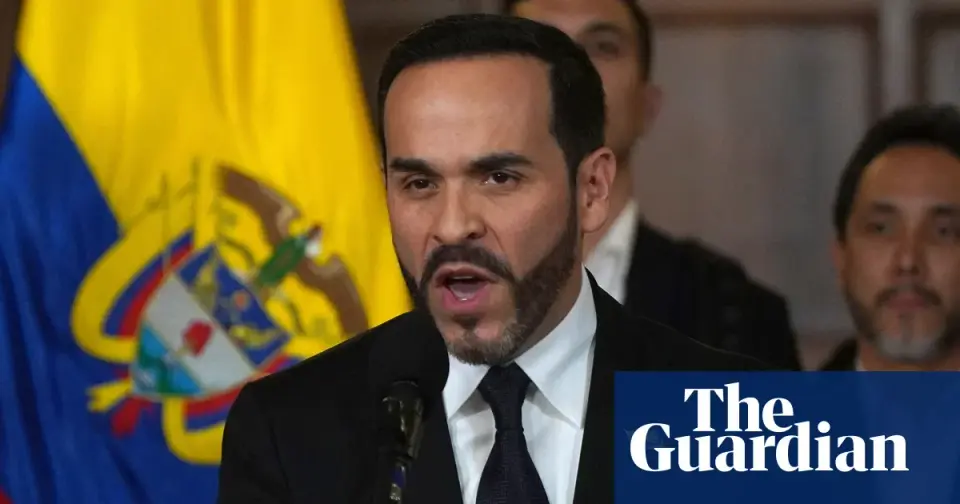
Colombian President Abelardo de la Espriella has ordered immediate joint police and migration operations to detain and deport individuals in irregular status or involved in crime, starting in Barranquilla. The move, announced just two weeks into his term, echoes US-style 'Colombians first' rhetoric and targets the 848,000 Venezuelans currently in irregular status. Critics warn the policy lacks legal basis and sufficient agency staff, while the administration frames it as a necessary security measure amidst ongoing post-earthquake recovery.
Key points
- De la Espriella ordered coordinated operations between the National Police and Migracion Colombia to begin within the week, prioritizing those committing crimes followed by those with irregular status.
- The policy targets approximately 848,000 Venezuelans in irregular status, including 193,000 children, out of a total 2.8 million Venezuelan migrants in Colombia.
- The announcement occurred during a cabinet meeting in Barranquilla, which serves as an alternative capital due to the aftermath of the August 10 earthquake that killed over 300 people.
- De la Espriella declared gangs involved in drug trafficking and smuggling to be 'terrorists' to be defeated by force, aligning with his broader hardline security platform.
- Sources within the migration department cited by El Tiempo indicate the agency lacks sufficient personnel to execute the promised operations nationwide.
Background
This immigration crackdown follows De la Espriella’s inauguration in early August 2026, where he secured a $1 billion US security package and joined the 'Shield of the Americas' coalition. His administration has already shifted from the previous government’s peace approach by launching military strikes against dissident FARC and Gulf Clan members. The current move extends this hardline posture to migration, mirroring the anti-immigration stances of allied leaders in Argentina and Chile.
How outlets are covering it
The Guardian and Anadolu Ajansı confirm the operational timeline and the 'Colombians first' rhetoric, though Anadolu emphasizes the administrative procedures for identification. UA.NEWS highlights the criticism from human rights groups and the legal distinction between 'illegal' and 'irregular' status under Colombian law. While all sources agree on the scale of Venezuelan migration, they differ on the feasibility; El Tiempo, cited by The Guardian and UA.NEWS, notes staffing shortages, whereas the presidential administration frames the move as a decisive political and administrative necessity. Senator María José Pizarro Rodríguez, cited by The Guardian, explicitly compares the initiative to a 'Colombian ICE,' a framing not emphasized in the other reports.
Why it matters
The policy threatens to dismantle a decade-long migration framework that benefited millions of Venezuelans fleeing crisis. If implemented, it could destabilize regional labor markets and humanitarian aid networks, while testing the limits of Colombia’s legal system, which does not criminalize presence without documentation. The move also signals a deeper alignment with US hardline immigration policies, potentially affecting bilateral relations and regional stability.
What to watch
Joint police and migration operations are expected to commence in Barranquilla within days. The government will likely face legal challenges regarding the definition of 'illegal' migration and operational capacity issues. International observers will monitor whether the crackdown extends beyond Barranquilla or remains localized, and how the US responds to the alignment with its own immigration rhetoric.
- Colombia’s new president Abelardo de la Espriella announces immigration crackdown The Guardian
- Colombia’s president orders operations to identify and deport irregular migrants Anadolu Ajansı
- Colombia Migration Bluefield Daily Telegraph
- De la Espriella Orders ‘Colombia First’ Immigration Crackdown Bloomberg
- President de la Espriella announces tighter controls on migrants in Colombia UA.NEWS
Want the full story? Read the original reporting
Read on The Guardian