
Russia Supreme Court Disqualifies Yabloko, Eliminating Last Anti-War Party from September Ballot
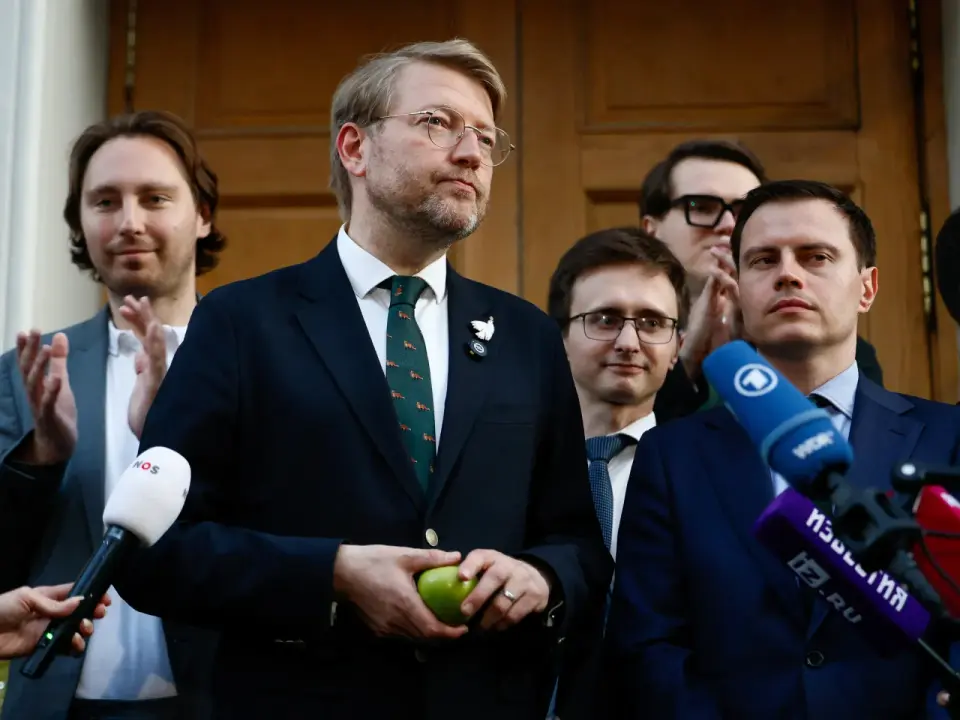
Russia's Supreme Court has barred the Yabloko party from the upcoming September parliamentary elections, effectively removing the only registered opposition group campaigning against the war in Ukraine. The ruling, issued on August 10, 2026, upheld a lawsuit filed by the pro-Kremlin nationalist party Rodina, which alleged Yabloko received undeclared foreign funding. Yabloko leader Nikolai Rybakov rejected the claims, calling the move an unconstitutional attack on political freedom, and announced plans to appeal. The decision eliminates the last viable option for voters wishing to express dissent against the four-and-a-half-year conflict, as other opposition figures remain jailed or exiled. While independent polls suggest most Russians favor peace negotiations, the Kremlin continues to tighten control over the electoral process, ensuring the ruling United Russia party maintains its dominance in the State Duma.
Key points
- The Supreme Court annulled Yabloko's registration for the State Duma elections, stripping voters of the only anti-war choice on the ballot.
- The ban was granted after a suit by the pro-Kremlin party Rodina, which accused Yabloko of receiving undeclared support from Western sources.
- Yabloko leader Nikolai Rybakov denied the allegations, stating the party is funded by Russian citizens, and vowed to appeal the decision.
- Approximately 100 to 500 supporters gathered outside the courthouse, chanting 'Shame!' and carrying apples, the symbol of the party.
- Yabloko is the only remaining liberal party operating in Russia, as other opponents are jailed, exiled, or deceased.
- The Central Election Commission had initially approved over 400 Yabloko candidates in July before the court intervened.
Background
This development follows a broader crackdown on dissent in Russia, where Yabloko had previously failed to win State Duma seats since 2003. The party had recently gained support from exiled figures, including Yulia Navalnaya, who are designated as 'extremists' by Moscow. The ban occurs amid ongoing diplomatic failures to end the war, with President Vladimir Putin rejecting talks with Ukrainian President Volodymyr Zelenskyy. Earlier coverage noted that Yabloko faced legal challenges over copyright and extremism accusations, but the Supreme Court's final ruling solidifies the exclusion of the party from the national vote.
How outlets are covering it
Al Jazeera and The Guardian emphasize the political significance of the ban, highlighting that Yabloko was the sole registered party opposing the war, thereby stripping voters of a dissenting voice. The Moscow Times provides detailed procedural context, noting that the Central Election Commission cited classified financial data from Rosfinmonitoring to support the foreign funding allegations, a claim Rybakov firmly denied. While all outlets agree on the outcome, The Guardian frames the move as part of a system that tolerates opposition only if it is too weak to threaten the regime, whereas Al Jazeera focuses on the immediate impact on voter choice and the party's promise to appeal. The sources collectively underscore the tension between official Kremlin narratives and independent polling data suggesting public support for peace.
Why it matters
The disqualification of Yabloko marks a significant tightening of political control in Russia, eliminating the last formal channel for public dissent against the war in Ukraine. This move consolidates the power of the ruling United Russia party and signals that the Kremlin will not tolerate any electoral competition, even from parties with low poll support. For the broader conflict, it removes a potential domestic pressure point for peace negotiations, as the party had advocated for ending the war. The decision also reflects the Kremlin's strategy of neutralizing opposition through legal mechanisms, ensuring that the upcoming elections remain a plebiscite for the current regime rather than a genuine contest of ideas.
What to watch
Yabloko plans to appeal the Supreme Court's decision within the five-day deadline, though legal experts suggest the outcome is unlikely to change given the court's alignment with the Kremlin. The party may continue to operate underground or through exiled networks, but its ability to influence the September elections is now severely limited. The ruling sets a precedent for further restrictions on other minor parties, potentially leading to a more homogeneous political landscape in the State Duma. Meanwhile, the war in Ukraine continues, with no signs of diplomatic progress, and the Kremlin's hardline stance remains unchanged despite public opinion favoring peace.
- Russia bars only party opposing war in Ukraine from parliamentary vote Al Jazeera
- Yabloko, Russian Antiwar Party, Is Banned From Parliament Elections The New York Times
- Ukraine war briefing: Russia bans voting against the war The Guardian
- Russian court bars from parliamentary ballot the only party opposing the conflict in Ukraine AP News
- Russian Supreme Court Bars Yabloko Party From State Duma Elections The Moscow Times
Want the full story? Read the original reporting
Read on Al Jazeera