
Ethiopia’s Rebel Coalition Unites Former Enemies to Challenge Abiy Amid Renewed Drone Strikes
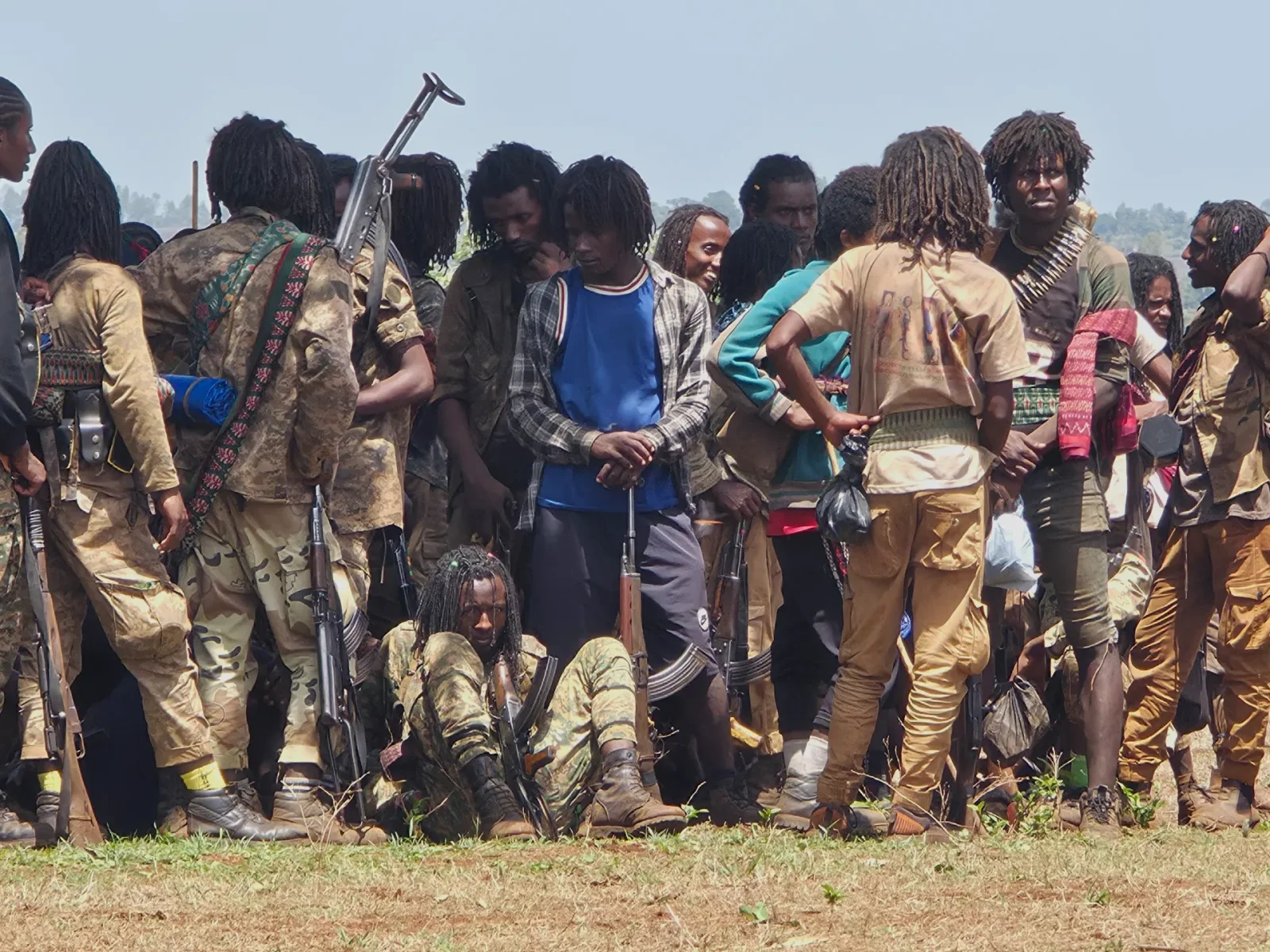
Seven armed groups in Ethiopia, including former enemies, have formed the 'Alliance for Survival' to oust Prime Minister Abiy Ahmed. The coalition links separate regional conflicts into a unified political front, though experts doubt its military cohesion. Recent drone strikes in Tigray and the seizure of Mekelle’s airport signal a sharp escalation, threatening the 2022 peace deal and risking a wider civil war.
Key points
- The Ethiopian Peoples’ Forces Alliance for Survival includes the TPLF, Amhara Fano, OLA, ONLF, and three other groups, pledging to remove Abiy Ahmed.
- The alliance merges groups that fought each other in the 2020-2022 Tigray war, creating a political framework for multiple regional conflicts.
- Recent drone strikes in Alamata killed 14 civilians, and Tigrayan forces seized Mekelle’s airport, halting flights and escalating tensions.
- The 2022 Pretoria peace agreement is under strain, as the TPLF now collaborates with groups excluded from the original deal.
- Experts warn the alliance lacks a unified command structure and faces deep ethnic and territorial divisions, particularly over Western Tigray.
Background
Ethiopia’s ethnic federal system has fueled recurring conflicts since Abiy Ahmed took power in 2018. The 2020-2022 Tigray war, which killed hundreds of thousands, ended with a 2022 Pretoria agreement that left key issues unresolved. Recent drone strikes and the TPLF’s reassertion of control in Tigray have reignited fears of a broader war, while Abiy’s government maintains a low-level conflict strategy.
How outlets are covering it
Al Jazeera emphasizes the alliance’s potential to unify Ethiopia’s separate conflicts into a single military threat, though it notes the lack of a joint command. BBC highlights the coalition’s broad reach across six regions but questions its practical cohesion, citing analyst Edward Bach’s warning that former enemies may not share weapons. Business Insider Africa focuses on the alliance’s fragility due to ethnic and territorial divisions, particularly over Western Tigray, and notes the economic risks of a renewed conflict. All sources agree the alliance challenges Abiy’s authority but differ on its military viability.
Why it matters
The alliance threatens to transform Ethiopia’s fragmented regional conflicts into a coordinated challenge to the federal government, potentially destabilizing the country’s economy and humanitarian situation. A wider war could displace millions, disrupt food aid, and undermine Abiy’s reforms, with regional implications for Sudan, Eritrea, and Egypt.
What to watch
The alliance’s ability to coordinate military action will determine its impact. Key tests include whether Eritrea intervenes, how Abiy’s government responds to the airport seizure, and whether the coalition can overcome internal divisions. A full-scale war or a negotiated settlement remains uncertain, but the risk of escalation is high.
- Can Ethiopia’s seven-group rebel alliance challenge Abiy Ahmed? Al Jazeera
- Ethiopian Rebel Groups Join Forces Against the Government nytimes.com
- Ethiopia conflict: Seven armed groups form alliance against Abiy Ahmed BBC
- Former battlefield enemies unite seven armed groups in bid to overthrow Ethiopia’s Abiy Ahmed Business Insider Africa
- Seven Ethiopian armed groups announce anti-government alliance Reuters
Want the full story? Read the original reporting
Read on Al Jazeera