
Alice Weidel's Personal Life Sparks Debate as AfD Wins Historic German Election
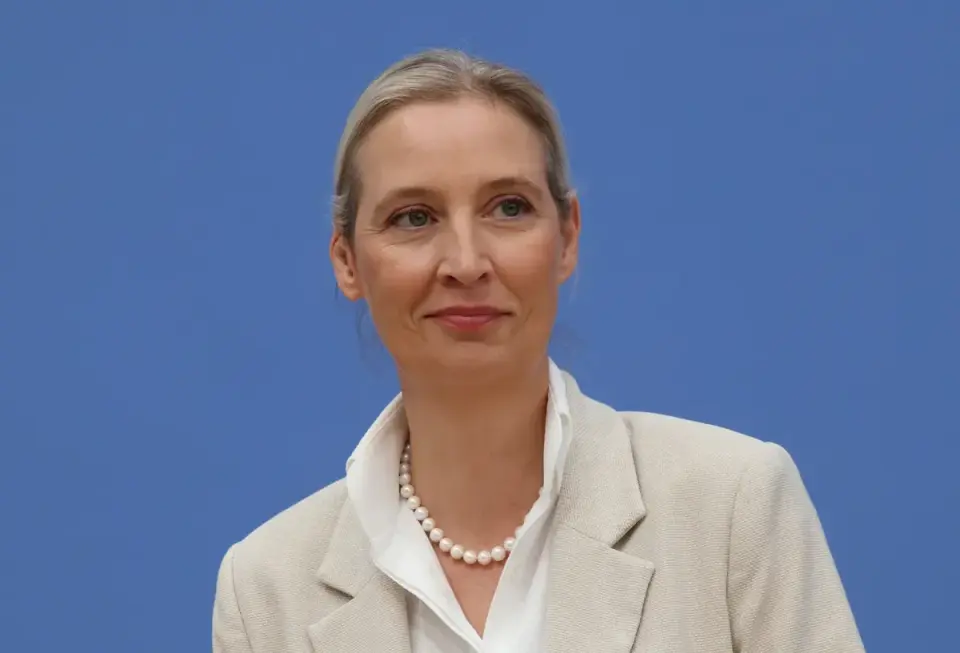
A viral meme highlights perceived contradictions between Alice Weidel's personal life and her party's policies, while the AfD secures a historic victory in Saxony-Anhalt using a new optimistic campaign strategy.
Key points
- A meme claims Alice Weidel's personal life contradicts her anti-immigration and anti-LGBTQ+ stances, specifically noting her Sri Lankan-born partner and two adopted sons.
- Snopes could not fully verify the details of Weidel's family status or adoption process, leaving the claim unrated.
- The AfD won a historic landslide in Saxony-Anhalt, potentially forming the first far-right state government in postwar Germany.
- The party shifted its campaign strategy from negative rhetoric to optimistic 'feel-good populism,' using slogans like 'Everything is Possible.'
- Weidel maintains that advocating for traditional families does not contradict her personal life, despite her party's opposition to same-sex marriage.
Background
The AfD has been rising in German polls, with recent victories in Saxony-Anhalt signaling a potential shift in German politics. Previous coverage noted the party's historic breakthrough in regional elections and the broader European context of far-right movements gaining traction. The party's success in Saxony-Anhalt, where lead candidate Ulrich Siegmund campaigned with a charismatic and optimistic message, contrasts with earlier perceptions of the AfD as a party of grumbling exasperation.
How outlets are covering it
Snopes focuses on the factual verification of Weidel's personal life, noting that while the meme's claims about her partner's background and their children are largely supported by media profiles, the exact legal status of their marriage and adoption process remains unconfirmed. The Guardian emphasizes the broader democratic implications of the AfD's rise, arguing that banning the party is not the solution but rather constraining it legally and fighting it politically. Politico highlights the strategic shift in the AfD's campaign tactics, noting the move from negative rhetoric to optimistic 'feel-good populism' as a key factor in their electoral success. These perspectives differ in focus: Snopes on personal facts, The Guardian on democratic resilience, and Politico on electoral strategy.
Why it matters
The AfD's historic victory in Saxony-Anhalt and the debate over Weidel's personal life highlight the growing influence of far-right parties in Germany and Europe. The party's shift to optimistic campaigning may serve as a template for other far-right movements, potentially reshaping political dynamics across the continent. The debate over Weidel's personal life also raises questions about the consistency of political leaders' personal lives with their public policies, a topic of increasing relevance in polarized political environments.
What to watch
The AfD is expected to form a state government in Saxony-Anhalt, with potential implications for national politics and policy on immigration, economy, and security. Further state elections in Berlin and Mecklenburg-Western Pomerania are scheduled, where the AfD may achieve historic highs. The party's strategic shift to optimistic campaigning may influence future electoral strategies across Europe, while the debate over Weidel's personal life may continue to shape public perception of the party and its leaders.
- What we know about Alice Weidel, the far-right German politician with a Sri Lankan-born wife Snopes
- Here’s how Germany can defend its democracy. Banning the AfD isn’t the answer | Timothy Garton Ash The Guardian
- German Art Institutions Prepare for a Fight as Far Right Looks to Take Power The New York Times
- How Germany’s far right learned to put on a smile to win elections politico.eu
- AfD surge in eastern Germany makes some immigrants question whether they still belong Reuters
Want the full story? Read the original reporting
Read on Snopes