
Farage defends £72m crypto donations as UK debates retroactive cap
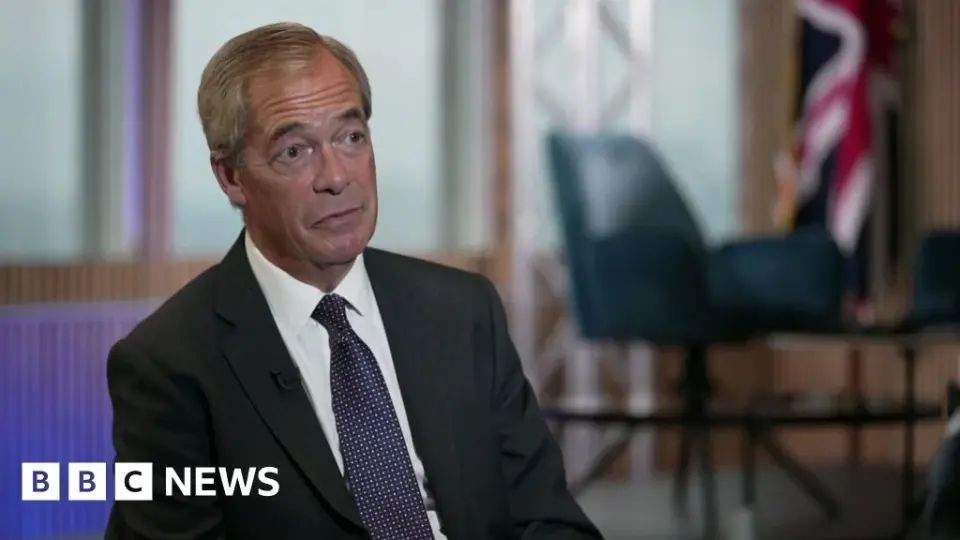
Reform UK leader Nigel Farage has asserted that two £36 million donations from crypto billionaires Ben Delo and Christopher Harborne are fully compliant with current UK law. The £72 million windfall, the largest in British political history, has triggered a legislative response from the Labour government, which is seeking to impose a £100,000 annual cap on donations from British expats. This new rule, backdated to March 2025, is currently being debated in the House of Lords. Farage has criticized the retrospective nature of the legislation, warning that it could collapse the political funding system and threaten trade union contributions. While Farage claims the donors will not gain policy influence, critics argue the donations represent a crisis for democracy and a potential 'Americanization' of UK politics.
Key points
- Reform UK received two £36 million donations from Ben Delo and Christopher Harborne, totaling £72 million, which Farage claims are 100% legal under existing rules.
- The UK government is debating a bill to cap donations from British expats at £100,000 annually, with the rule backdated to March 25, 2026.
- Farage argues that retrospectively declaring donations illegal is unjust and threatens to retaliate by restricting trade union donations if Reform wins power.
- Critics, including trade union leader Paul Nowak, describe Reform as a 'party for sale' and argue the donations undermine democratic integrity.
- Former civil servant Sir Philip Rycroft supports capping all donations, noting that the risk of pre-legislation windfalls justifies the government's retrospective approach.
Background
This controversy follows a series of funding scandals involving Reform UK, including a Channel 4 investigation into potential circumvention of foreign donation rules and a Metropolitan Police probe into illegal contributions. The party has faced scrutiny over its fundraising practices, with Farage previously under investigation by the parliamentary standards commissioner regarding a £5 million gift from Harborne. The current legislative debate is part of a broader effort to address foreign interference in UK politics, as recommended by a report from Sir Philip Rycroft.
How outlets are covering it
BBC reports that Farage is confident the donations are legal but refuses to disclose the donors' residency status as of March 25, 2026, the key date for the new cap. The Guardian highlights the defensive stance of Reform deputy leader Richard Tice, who described the donors as 'patriots' despite their long-term overseas residence and tax avoidance history. While Farage emphasizes the legality of the donations, The Guardian notes the irony of his party's previous attempts to circumvent donation rules. Both sources agree that the donations have reignited the debate on political funding, with Labour and other parties calling for stricter caps, while Farage warns of unintended consequences for trade union funding.
Why it matters
The £72 million donation to Reform UK represents a significant shift in UK political funding, potentially allowing the party to 'catch up' with larger rivals and professionalize its operations. The retrospective nature of the new cap could set a precedent for how political donations are regulated, impacting not only Reform but also other parties and trade unions. The controversy highlights the tension between allowing large-scale political funding and ensuring democratic integrity, with implications for the balance of power in UK politics and the influence of wealthy donors on policy.
What to watch
The House of Lords will continue debating the Representation of the People Bill, which includes the £100,000 cap on expat donations. If passed, the legislation could force Reform to return the £72 million if the donors are deemed non-compliant with the retrospective rules. Farage has threatened to retaliate by restricting trade union donations if Reform wins the next general election, potentially leading to a broader debate on political funding and the role of unions in UK politics.
- Nigel Farage says £72m donation are compliant 'with the law today' bbc.com
- Farage says £72m Reform donations legal 'today' as government seeks to change law bbc.com
- Richard Tice rallies to the defence of Reform’s crypto ‘patriots’ The Guardian
- Farage's Reform UK lands second record £36 million donation in 48 hours Reuters
- U.K.’s Reform Party Rakes In Record $97 Million Donations From Crypto World WSJ
Want the full story? Read the original reporting
Read on bbc.com