
France’s Fifth Week of Protests Draws 106,000 as Police Bill and Wage Hike Spark New Strikes
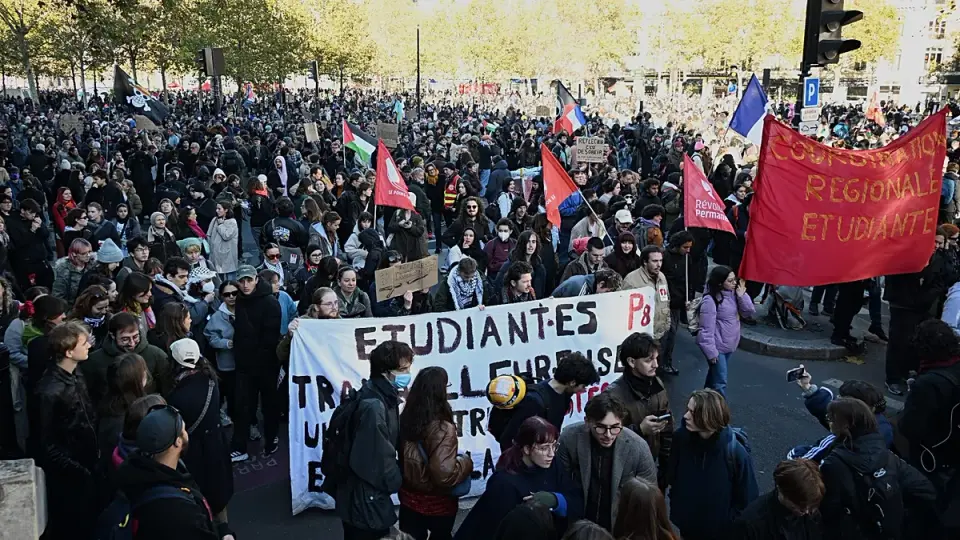
Thousands of demonstrators filled the streets of France on November 14, 2026, marking the fifth consecutive Saturday of nationwide unrest. The Interior Ministry estimated 106,000 participants, while student unions claimed 200,000. Protests focused on rising living costs, poor school conditions, and a controversial police bill. Unions rejected a 0.6% minimum wage increase as insufficient, calling for a new strike on Tuesday. Tear gas was used in several cities, and lawyers are suing the government over alleged police brutality.
Key points
- The Interior Ministry reported 106,000 protesters nationwide, including 24,000 in Paris, a decline from the previous week's 146,000. Student unions estimated 200,000 participants, including 100,000 in the capital.
- Demonstrators, including Yellow Vests, students, and education unions, protested rising living costs, inadequate school funding, and a new police bill that grants officers a presumption of lawful self-defense when using firearms.
- Unions rejected the government's offer to raise the minimum wage by 0.6%, describing it as 'crumbs,' and called for a new day of strike action on Tuesday, coinciding with the eighth anniversary of the Yellow Vest movement.
- Lawyers representing at least 18 injured protesters have filed a lawsuit against the Interior Ministry, alleging police brutality that resulted in 'mutilations' to hands, feet, and eyes during recent demonstrations.
- The protests occurred against the backdrop of a 2027 presidential election, where Marine Le Pen's far-right party is currently leading in opinion polls, and her party supports the controversial police bill.
Background
The current unrest follows a month of escalating tensions that began in September with student strikes over school funding. On October 17, 2026, the movement peaked with an estimated 550,000 protesters nationwide, including 110,000 in Paris, leading to violent clashes, looting, and hundreds of arrests. A 15-year-old student lost a hand in Lens during earlier protests, highlighting concerns over police use of force against minors. The government has faced criticism for its handling of the crisis, with President Emmanuel Macron vowing to prosecute those who damaged public property, while critics accuse police of disproportionate force.
How outlets are covering it
Euronews and Le Monde highlight the broad coalition of protesters, including Yellow Vests, students, and unions, and emphasize the diverse grievances, from cost of living to police accountability. Al Jazeera notes the decline in turnout compared to previous weeks and the largely peaceful nature of the rallies, despite some fringe violence. France 24 provides detailed logistical information, including police deployments and metro closures, and highlights the use of tear gas and water cannons in cities like Marseille and Lyon. All sources agree on the core issues but differ in emphasis: Euronews and Le Monde focus on the political implications and the police bill, while Al Jazeera and France 24 provide more granular details on the on-the-ground situation and police response. The Interior Ministry's lower turnout figures contrast with the higher estimates from student unions, reflecting a common discrepancy in protest reporting.
Why it matters
The sustained protests signal deep-seated dissatisfaction with the Macron government's economic policies and social contract, particularly regarding education and public safety. The rejection of the minimum wage increase and the call for further strikes indicate that the government's concessions are not sufficient to quell the unrest. The controversial police bill, which critics call a 'license to kill,' could further erode public trust in law enforcement and exacerbate tensions. With the 2027 presidential election approaching, the unrest could influence the political landscape, potentially benefiting Marine Le Pen's far-right party, which supports the police bill, or other parties that promise more significant reforms. The lawsuit against the Interior Ministry over police brutality could set a precedent for holding law enforcement accountable in France.
What to watch
Unions have called for a new day of strike action on Tuesday, November 17, 2026, which coincides with the eighth anniversary of the Yellow Vest movement. The government is expected to face increased pressure to address the protesters' demands, particularly regarding education funding and police accountability. The lawsuit filed by lawyers representing injured protesters could lead to a significant legal battle over police conduct. The outcome of the 2027 presidential election will be crucial in determining the future direction of France's social and economic policies, with the current unrest potentially influencing voter sentiment and party platforms.
- France sees fifth consecutive Saturday of nationwide protests Euronews.com
- More than 100,000 rally across France in new Yellow Vest protests Al Jazeera
- More than 100,000 protest across France, interior ministry says France 24
- French protesters chant against inflation and police Le Monde.fr
- Riots in France: How anti-government protests spiraled out of control Reuters
Want the full story? Read the original reporting
Read on Euronews.com