
Klippenstein: 25 Years Later, 9/11 Remembrance Has Become a Security-State Fundraiser
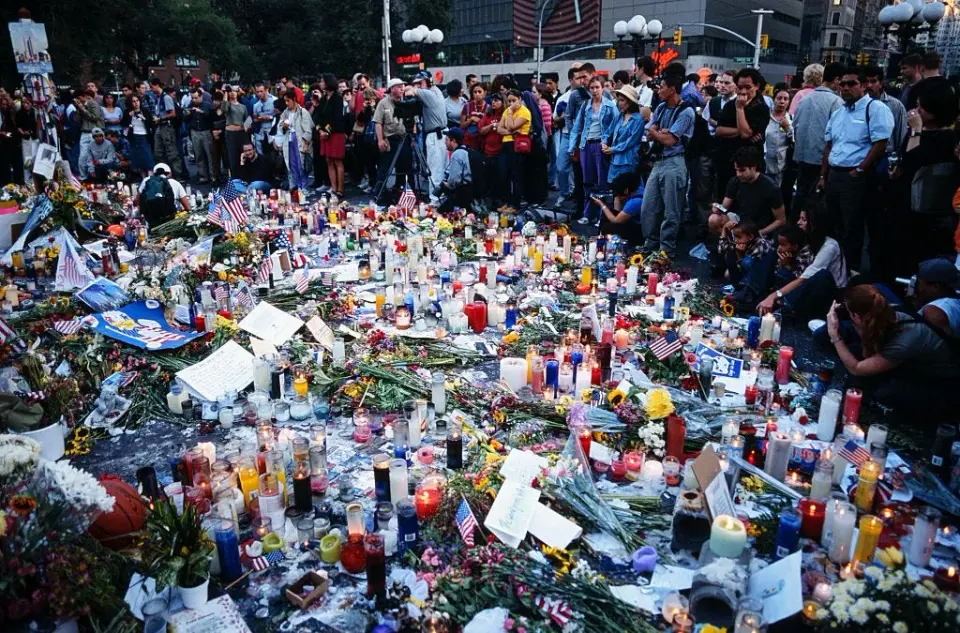
Ken Klippenstein argues that 9/11 anniversaries have shifted from genuine mourning to a fundraising mechanism for the U.S. security state. He highlights a leaked memo from Secretary of State Marco Rubio that focuses on vigilance rather than accountability for pre-attack intelligence failures. Klippenstein contrasts the current 'cash grab' with the early days of 9/11, when public grief was marked by flowers, candles, and international solidarity, noting that these symbols have disappeared as the security apparatus consolidated power.
Key points
- Klippenstein states that 9/11 commemorations now primarily serve to secure funding for security institutions that failed to prevent the original attacks.
- A leaked memo from Secretary of State Marco Rubio, dated September 11, 2026, urges employees not to let their guard down, focusing on future threats rather than past intelligence failures.
- The author notes that pre-attack warnings, such as the August 2001 President's Daily Brief and FBI alerts in Phoenix, are consistently omitted from anniversary narratives.
- Klippenstein contrasts the current state with the immediate aftermath of 2001, when Union Square was filled with flowers and candles, and international allies like Germany showed solidarity through public vigils.
- He argues that the 'soft coup' of the national security state began when the U.S. pivoted to a unilateral foreign policy, causing the goodwill and community engagement of 2001 to evaporate.
Background
This commentary is published on the 25th anniversary of the September 11 attacks. Klippenstein references his editor Bill Arkin's book 'American Coup' to frame the post-9/11 era as a shift in U.S. political and security structures. The piece also references historical moments, such as the 2001 solidarity shown by German Chancellor Gerhard Schröder and the initial $40 billion emergency package passed by Congress, which Klippenstein argues was largely directed toward the national security apparatus rather than just recovery.
Why it matters
The article critiques the commercialization and militarization of national mourning, suggesting that the lack of accountability for intelligence failures and the disappearance of public symbols of grief indicate a fundamental shift in how the U.S. processes trauma and allocates resources. It highlights the tension between public remembrance and the institutional interests of the security state.
What to watch
Klippenstein suggests that the end of the 'national security state's soft coup' will be marked by the return of flowers and genuine public mourning, rather than continued fundraising and security-focused narratives. He also appeals to readers for financial support to maintain his independent journalism.
Want the full story? Read the original reporting
Read on Ken Klippenstein | Substack