
Green Leader Polanski Loses London By-Election Amid Zionism Controversy
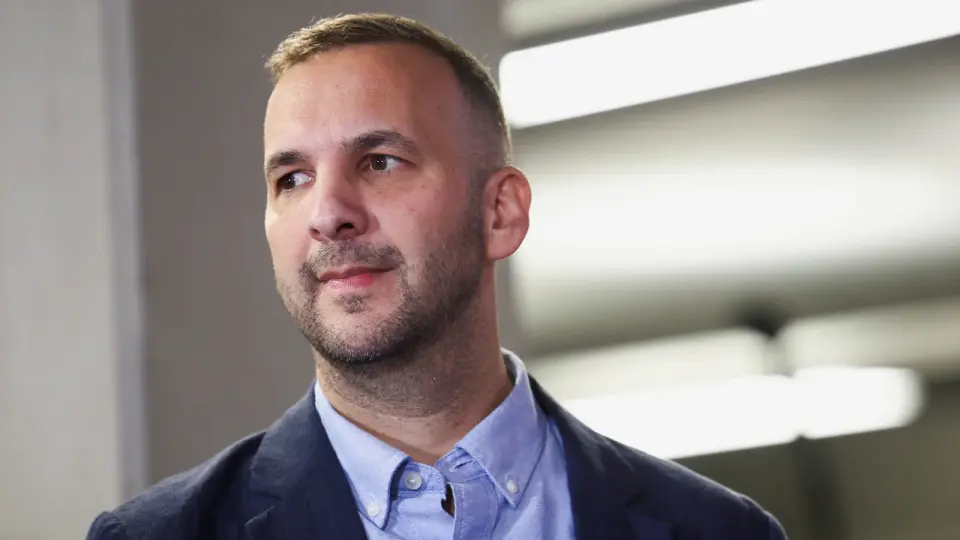
Zack Polanski lost the Holborn and St Pancras by-election to Labour’s Sagal Abdi-Wali, marking a significant setback for the Green Party. While the Greens secured a historic vote share, the narrow loss and ongoing controversy over their 'Zionism is racism' motion have triggered internal division and international isolation. Critics argue the policy change damaged the party’s image, while supporters view the result as a temporary dip in a volatile political landscape.
Key points
- Labour’s Sagal Abdi-Wali won the by-election with 45.2% of the vote, defeating Green leader Zack Polanski, who received 32.8%.
- The Green Party’s vote share in the seat reached a historic high, but Labour’s majority was slim at 3,364 votes, down from 11,572 in 2024.
- The Green Party’s recent adoption of a motion declaring Zionism a form of racism has caused a rift with European allies and triggered a media backlash.
- Pollster John Curtice noted that while Labour is in a better position than six months ago, the Greens remain a significant player despite losing momentum.
- The controversy has led to calls for Polanski’s resignation, though party officials argue the defeat is a setback rather than a collapse.
Background
The Green Party had gained significant momentum in 2026 under Polanski’s leadership, including a historic by-election win in Gorton and Denton in February. This success contributed to the downfall of former Prime Minister Keir Starmer and the rise of Andy Burnham. However, the party’s national polling has since plummeted, and the recent by-election was seen as a critical test of their ability to sustain this growth. The party’s adoption of the 'Zionism is racism' motion in late 2026 has further complicated its standing, leading to international condemnation and internal dissent.
How outlets are covering it
Middle East Eye argues that Polanski’s defeat is less catastrophic than critics suggest, citing the historic vote share and the volatile electorate. The Guardian, however, emphasizes the damage caused by the Zionism motion, noting that it has alienated potential voters and European allies. The New York Times focuses on the broader implications for Labour, highlighting that Burnham’s government is in a better position than under Starmer but still faces challenges. The Conversation highlights the international fallout, noting that the motion has led to condemnation from European Green parties and the Israeli government, potentially isolating the UK Greens.
Why it matters
The by-election result signals a shift in the UK’s political landscape, with Labour consolidating its position under Burnham and the Greens facing a period of reflection and potential reinvention. The controversy over the Zionism motion has raised questions about the party’s future direction and its ability to maintain its status as a significant political force. The outcome may also influence the timing of a potential early general election, as Labour strategists assess the viability of an early poll.
What to watch
The Green Party is expected to face internal debates over the Zionism motion and its impact on the party’s image. There may be calls for Polanski to step down or for the party to moderate its stance on the issue. Labour, meanwhile, will likely use the by-election result to bolster its confidence in an early general election, while the Greens will need to reassess their strategy to regain lost ground.
- Why Polanski’s by-election defeat may not be a disaster for the Greens Middle East Eye
- A promising future now looks perilous for election loser Zack Polanski. He sowed, now he reaps | John Harris The Guardian
- Battle for the soul of the Green Party Financial Times
- Labour Holds Off Green Party in Election for Starmer’s Former London Seat The New York Times
- Zack Polanski loses his byelection bid – and the Green party’s Zionism motion has outraged its closest allies in Europe The Conversation
Want the full story? Read the original reporting
Read on Middle East Eye