
Ukraine unlocks fourth EU accession cluster after minority law passes
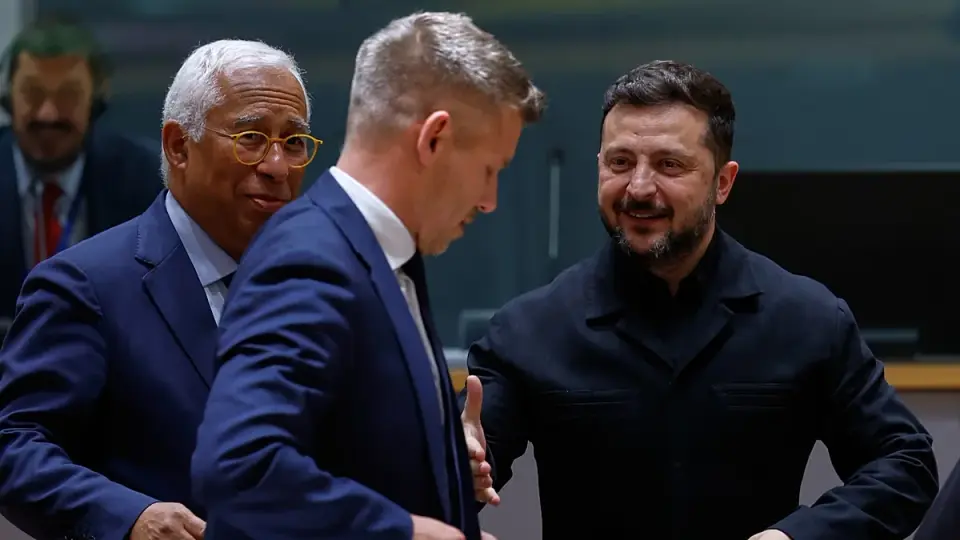
The EU Council opened two additional accession clusters with Ukraine on October 13, bringing the total to four of six. This move followed Ukraine's passage of a minority rights law, which satisfied Hungary's demands and lifted its veto. A potential meeting between Ukrainian President Volodymyr Zelenskyy and Hungarian Prime Minister Péter Magyar is being discussed in Brussels, though no date is confirmed. While this resolves a long-standing dispute, challenges remain in opening the final two clusters, particularly regarding agriculture.
Key points
- The EU Council agreed to open clusters 2 and 3 with Ukraine, covering the internal market and competitiveness, on October 13.
- Ukraine's parliament passed a law protecting minority language rights on October 12, which Hungary required before lifting its veto.
- The new law grants special status to schools where over half of pupils are taught in an official EU minority language, provided at least 20% continue to study in that language.
- Ukrainian Foreign Minister Andrii Sybiha confirmed progress in bilateral commitments with Hungarian Foreign Minister Anita Orbán.
- A meeting between Zelenskyy and Magyar is being arranged, potentially on the sidelines of the EU summit, but remains unconfirmed.
- The remaining two clusters, including agriculture, are expected to be more contentious due to concerns about competition with EU farmers.
Background
Ukraine submitted its EU membership bid in February 2022. Hungary, under Viktor Orbán, blocked progress for years over education and language laws affecting the Hungarian minority. Since Péter Magyar took office in April 2026, Budapest adopted a more pragmatic approach, agreeing to open the first two clusters in June and July. Recent tensions included Hungary's rejection of the Carpathian Eight forum and a joint oil storage deal in September 2026, but the October 12 minority law resolved the immediate obstacle to further accession progress.
How outlets are covering it
Euronews highlights the diplomatic breakthrough and the potential Zelenskyy-Magyar meeting as a turning point in bilateral relations. Le Monde emphasizes the legislative hurdle removed by the minority law and the EU Council's decision to open new chapters. The Kyiv Independent focuses on the technical progress, noting that clusters 2 and 3 are the largest by policy files, and mentions concerns from France and Poland regarding agriculture, though both countries reiterated support for opening all clusters. Ukrainian Pravda confirms the presidential signature on the law and the immediate EU approval of the clusters. All sources agree on the core facts but differ in emphasis: Euronews on diplomacy, Le Monde on legislation, and Kyiv Independent on future economic challenges.
Why it matters
This development marks a significant step in Ukraine's EU integration, resolving a major political obstacle. It demonstrates the potential for pragmatic diplomacy between Kyiv and Budapest, though the path to full membership remains long and complex, with agricultural policy likely to be a future point of contention.
What to watch
The EU aims to open the remaining two clusters by the end of 2026. Ukraine must continue implementing reforms across all 35 negotiation chapters. A bilateral meeting between Zelenskyy and Magyar may occur in Brussels, potentially solidifying the new diplomatic relationship. The EU Commission has proposed special treatment for Ukraine's agricultural sector to address member state concerns.
- EU opens two more Ukraine accession clusters as Hungary lifts veto Euronews.com
- Ukraine takes step forward in EU membership talks after Hungary drops objections Reuters
- Ukraine's EU accession bid advances with new chapter Le Monde.fr
- Zelenskyy signs education law amendments sought by Hungary to unblock Ukraine's EU accession talks Українська правда
- Ukraine advances EU membership bid with 4 of 6 integration to-do lists unlocked The Kyiv Independent
Want the full story? Read the original reporting
Read on Euronews.com