
Healey’s Budget Faces Tight Constraints Amid Rising Energy Costs and Political Ambitions
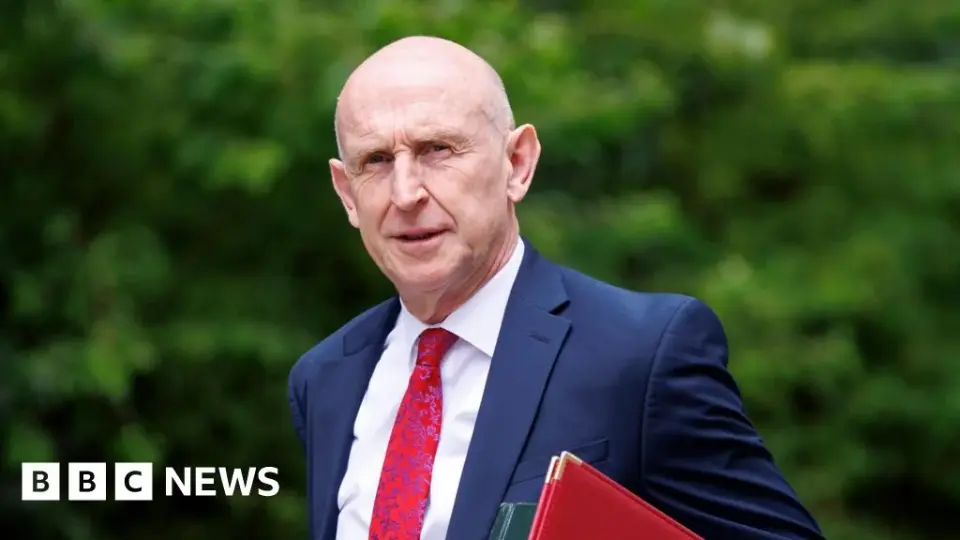
Chancellor John Healey is preparing a constrained Budget that prioritizes targeted support for energy bills and devolution, while avoiding major tax hikes. The government faces a gap between its ambitious political goals and economic realities, including high debt and rising inflation driven by Middle East conflicts. Opposition parties criticize the approach as insufficient, while the government argues it is providing necessary 'breathing space' for the economy.
Key points
- Chancellor John Healey acknowledges that economic constraints, including high national debt and rising energy bills, limit the scope of the upcoming Budget.
- The government has committed to not raising income tax, national insurance, or VAT, a self-imposed restriction that limits fiscal flexibility.
- Energy bill support is expected to be targeted at the most vulnerable households, potentially funded by a levy on banks.
- Devolution is a central theme, with Healey promising a 'radical' transfer of powers and resources to local leaders, though concerns remain about oversight.
- Defense spending is expected to increase, but the specific plan to reach 3% of national income by 2030 will be detailed in next year’s Spending Review.
- Economic indicators show some resilience, with better-than-expected growth and lower unemployment, but household finances face new shocks from rising interest rates and energy prices.
Background
This Budget follows the recent transition of power to Prime Minister Andy Burnham, who previously described the current political shift as the most significant in 40 years. The current economic landscape is marked by a generationally high tax burden and rising inflation, contrasting with the fiscal flexibility available to New Labour in the 1990s. The government’s approach reflects a tension between its ideological commitment to a proactive state and the practical limitations imposed by global events and domestic debt.
Why it matters
The Budget sets the tone for the new government’s ability to deliver on its promises of significant change. It highlights the difficult trade-offs between maintaining fiscal stability and addressing immediate cost-of-living pressures. The outcome will influence public confidence in the government’s capacity to manage economic shocks and implement structural reforms like devolution, potentially affecting long-term political stability and economic resilience.
What to watch
The Budget will be followed by a Spending Review in 2020, which will detail how the 3% defense spending target will be achieved. The government plans to continue delivering on its agenda through subsequent measures, aiming to demonstrate that the current Budget is part of a broader strategy for long-term change rather than a standalone solution.
Want the full story? Read the original reporting
Read on BBC