
Iceland's EU referendum puts Norway's EEA status on trial
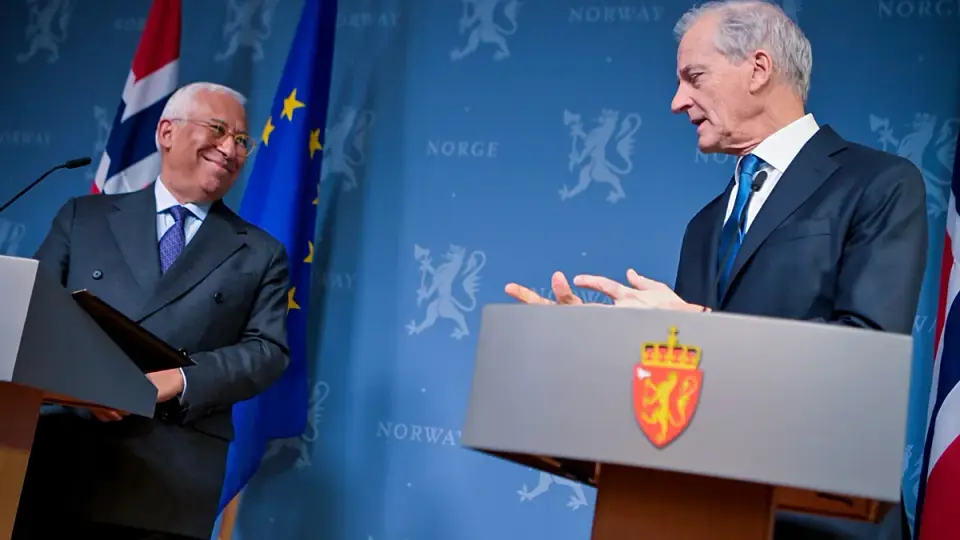
Iceland is set to vote on resuming EU accession talks, a move that could force Norway to reconsider its reliance on the European Economic Area (EEA). If Iceland joins the EU, the EEA would shrink to just Norway and Liechtenstein, leaving Oslo as the only major non-EU member of the single market without a formal seat in EU decision-making. Norwegian officials acknowledge this shift would create significant political pressure, though the current government maintains its stance against full EU membership. Polls show Iceland is narrowly favoring a 'Yes' vote, with undecided voters potentially deciding the outcome. Norway’s political landscape remains divided, with some urging a fresh debate on membership while others warn against reopening a historically divisive issue.
Key points
- Iceland’s referendum asks whether to resume EU accession negotiations, not full membership, with a second vote required for any final deal.
- A 'Yes' vote would reduce the EEA to Norway and Liechtenstein, making Norway the only major non-EU single market member without a decision-making role.
- Norwegian Foreign Minister Espen Barth Eide stated that Iceland’s potential membership poses 'special challenges' for Norway’s EEA status.
- Polls show Iceland’s 'Yes' side leads by a narrow margin, with about 8.5% of voters undecided.
- Norway’s political parties are split: pro-EU figures urge a new debate, while Eurosceptics warn against reopening a divisive issue.
Background
Norway has rejected EU membership twice, in 1972 and 1994, with 53.5% and 52% voting 'No' respectively. The EEA was established in 1994 to extend the EU single market to non-EU countries, including Iceland, Liechtenstein, and Norway. Austria, Finland, and Sweden later joined the EU from the EEA. Iceland suspended its EU accession talks in 2015. Norway’s current government maintains the EEA as its primary relationship with Brussels, despite growing pressure from a potential Icelandic 'Yes' vote.
How outlets are covering it
Euronews emphasizes the political and structural implications for Norway, highlighting the risk of Norway becoming isolated in the single market without a decision-making role. It notes the potential for a renewed debate on EU membership in Norway, driven by pro-EU parties. Arctic Today focuses on the narrowness of Iceland’s polling data, noting that the 'Yes' lead is statistically insignificant and that undecided voters could determine the outcome. It does not directly address Norway’s reaction but provides context on the tight race. Both sources agree that Iceland’s vote will have significant consequences for Norway, but Euronews places more emphasis on the political and diplomatic fallout, while Arctic Today focuses on the uncertainty of the vote itself.
Why it matters
Iceland’s referendum could reshape the EEA and force Norway to reconsider its relationship with the EU. A 'Yes' vote would leave Norway as the only major non-EU single market member without a formal role in EU decision-making, potentially undermining the EEA’s relevance. This could trigger a national debate in Norway on EU membership, a historically divisive issue. The outcome also affects broader Nordic and European integration dynamics, as Norway’s position may influence other non-EU countries’ relationships with Brussels.
What to watch
Iceland’s referendum is scheduled for Saturday, with results expected to determine whether accession talks resume. If 'Yes' wins, a second referendum will be required to approve any final EU deal. Norway is expected to monitor Iceland’s negotiations closely, particularly on fisheries and sovereignty issues. Pro-EU parties in Norway may use the momentum to push for a new membership debate, while Eurosceptics will resist. The outcome could also influence the EEA’s future structure and Norway’s diplomatic strategy with Brussels.
- If Iceland joins the EU, where does that leave Norway? Euronews.com
- Narrow majority of Icelanders back EU membership talks, poll shows ahead of referendum Reuters
- Will Iceland join the EU? Financial Times
- Narrow yes lead holds as Iceland’s EU referendum enters final week Arctic Today
- Wider Europe Briefing: What Iceland's EU Referendum Means For Europe Radio Free Europe/Radio Liberty
Want the full story? Read the original reporting
Read on Euronews.com