
Meloni Proposes School Veil Ban and Foreign Student Caps Ahead of 2027 Election
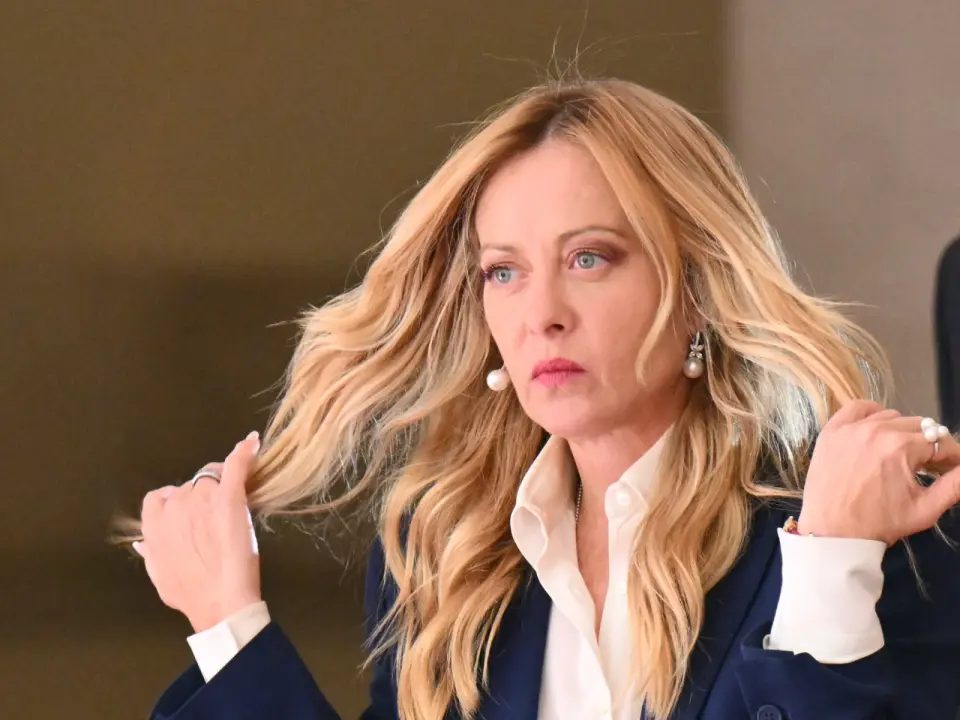
Italian Prime Minister Giorgia Meloni announced plans to ban burqas and niqabs in schools and cap foreign student enrollment, citing integration concerns. The measures, to be presented to the cabinet, face legal scrutiny and opposition criticism as Meloni’s government faces rising competition from far-right rivals ahead of the 2027 general election.
Key points
- Meloni stated that a cabinet measure will ban full-face veils in schools and require parents of foreign students with integration difficulties to learn Italian.
- The proposal includes a legal cap on the number of foreign students per class, though Meloni did not specify the exact limit, noting a 30% limit already exists but is often unenforced.
- Approximately 11.6% of students in Italian schools are non-citizens, a figure cited by research institute Fondazione ISMU.
- The announcement was made at a youth wing event for the Brothers of Italy party, emphasizing integration as a prerequisite for welcoming migrants.
- Legal experts and opposition politicians have criticized the proposals as potentially unconstitutional and a distraction from core educational issues.
Background
Meloni’s government is Italy’s longest-serving postwar administration, a milestone reached in September 2026. While her coalition has focused on economic stability and job creation, immigration remains a central political issue. The current proposals build on earlier legislative attempts, including a 2025 bill to ban face coverings in public spaces and a 2010 ministerial circular setting a 30% limit on foreign students, which has frequently gone unenforced due to local demographic conditions.
How outlets are covering it
Al Jazeera and CNN report the core announcement, highlighting Meloni’s argument that high numbers of non-Italian-speaking students hinder integration. Euronews provides broader context, noting that Italy would be the first European country to adopt such a statutory cap if passed, and details the legal challenges under Article 34 of the Constitution, which guarantees open access to schools. It also notes that several European countries, including France and Belgium, already ban face coverings in public spaces. Politico emphasizes the political timing, linking the announcement to the 2027 election and the rise of the National Future party, which has called for even stricter measures. Euronews notes criticism from Green and Left Alliance MP Angelo Bonelli, who accused Meloni of chasing the neo-fascist right and ignoring teacher salaries, while constitutional law professor Salvatore Curreri warned that restrictive measures could infringe on the rights of foreign minors.
Why it matters
The proposed legislation signals a shift in Italy’s approach to immigration and education, potentially setting a precedent in Europe for statutory caps on foreign student enrollment. The measures could deepen political polarization, as they align with the agenda of far-right rivals like the National Future party, while drawing criticism from legal experts and opposition parties who view them as discriminatory and constitutionally problematic. The outcome will influence Italy’s integration policies and its standing in European debates on migration and religious freedom.
What to watch
The government is expected to present the measures to the cabinet soon, after which they must receive parliamentary approval within 60 days to become law. The 2027 general election will be a key test for Meloni’s coalition, as the National Future party, led by retired general Roberto Vannacci, gains popularity and has called for even tougher restrictions, including separate classes for students with disabilities. Legal challenges may arise if the measures are deemed to violate constitutional protections for foreign students.
- Meloni promises to ban burqas, niqabs in Italy’s schools Al Jazeera
- Italy to ban veils in schools, limit foreign students per class, Meloni says CNN
- Meloni plans to ban burqas and niqabs in Italian schools, and cap foreign students in classrooms AP News
- Meloni announces ban on burqa and niqab in Italian schools, cap on foreign students Euronews.com
- Meloni promises to ban veils in Italian schools and limit foreign students politico.eu
Want the full story? Read the original reporting
Read on Al Jazeera