
King Charles to Address Slavery in Antigua as Burnham Signals Shift on Apology
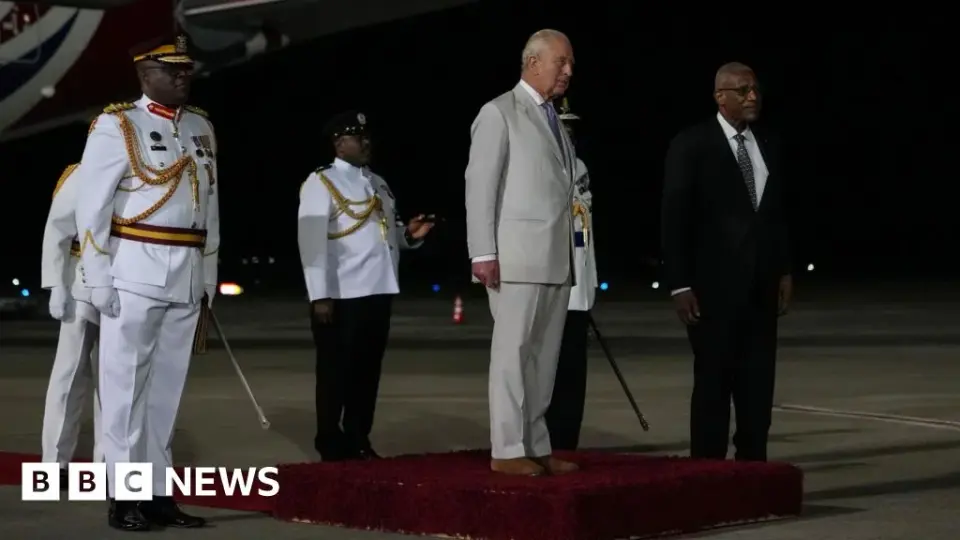
King Charles III will speak on the transatlantic slave trade with 'unflinching honesty' during the final leg of his Caribbean tour in Antigua. Prime Minister Andy Burnham has signaled a shift in UK policy by agreeing to a 'structured dialogue' on a formal apology, though he rejects financial reparations. The King’s speech at the Commonwealth Heads of Government Meeting (CHOGM) will not change in response to Burnham’s comments, as the Palace maintains that policy decisions rest with the government, not the monarchy.
Key points
- King Charles III is scheduled to address the legacy of slavery at CHOGM in Antigua on Tuesday, using language of 'sincere sorrow' and 'unflinching honesty.'
- Prime Minister Andy Burnham stated the UK government is open to a formal apology for its role in the slave trade, marking a departure from previous stances, but explicitly rejected financial reparations.
- Buckingham Palace confirmed the King’s speech was prepared before Burnham’s comments and will not be altered, emphasizing that the monarch does not dictate government policy.
- Burnham proposed a 'structured dialogue' with affected nations and pledged to help developing countries manage debt, citing the need to strengthen the Commonwealth amid global instability.
- The King’s nine-day tour includes visits to the Bahamas and Guyana, where he acknowledged past suffering but stopped short of an apology, adhering to existing government constraints.
Background
This development follows King Charles III’s recent nine-day Caribbean tour, which has intensified diplomatic tensions regarding the UK’s colonial legacy. Previous coverage noted that while the King acknowledged historical injustices in the Bahamas and visited a slave rebellion site in Guyana, he did not offer a formal apology or reparations, citing government policy. The current shift in stance by Prime Minister Burnham represents a significant change in the UK’s official position, which had previously refused to consider apologies or compensation despite pressure from Commonwealth leaders and domestic activists.
How outlets are covering it
BBC and ABC News report that the King’s speech will not change in response to Burnham’s comments, with the Palace stressing that policy decisions are for the government. ABC News notes that this shift may also appeal to younger, liberal voters in the UK. Burnham’s Guardian op-ed emphasizes that while he rejects reparations, acknowledging the past is necessary for the Commonwealth’s future relevance. BBC highlights that the King’s tour has been a 'diplomatic tightrope,' balancing respect for history with the constraints of the constitutional monarchy. All sources agree that the UK has never formally apologized for slavery, but differ on the immediate impact of Burnham’s 'structured dialogue' proposal on the King’s upcoming address.
Why it matters
This marks a potential turning point in UK-Commonwealth relations, as the government moves from refusal to engagement on the issue of slavery. It tests the limits of the monarchy’s role in addressing historical grievances and could influence future diplomatic and economic relationships with Caribbean and African nations. The debate over reparations versus dialogue also reflects broader domestic and international tensions regarding colonial legacies and global equity.
What to watch
King Charles III will deliver his speech at CHOGM in Antigua on Tuesday. Prime Minister Burnham will attend the meeting to initiate the proposed 'structured dialogue' on slavery and debt relief. The outcome of these discussions will determine whether the UK moves toward a formal apology or maintains its current stance of regret without legal or financial liability.
- King to address slavery during Commonwealth speech in Antigua on final leg of Caribbean tour BBC
- UK PM Burnham says he is 'open' to formal apology for slavery, but rules out reparations Reuters
- British people can’t be made to pay for the wrongs of slavery – but we must confront our complicated history The Guardian
- UK prime minister signals the government will consider an apology for its role in the slave trade ABC News - Breaking News, Latest News and Videos
- Charles visits slave execution site as calls for reparations grow The Times
Want the full story? Read the original reporting
Read on BBC