
New Zealand election leaves nation in limbo as special votes decide tight outcome
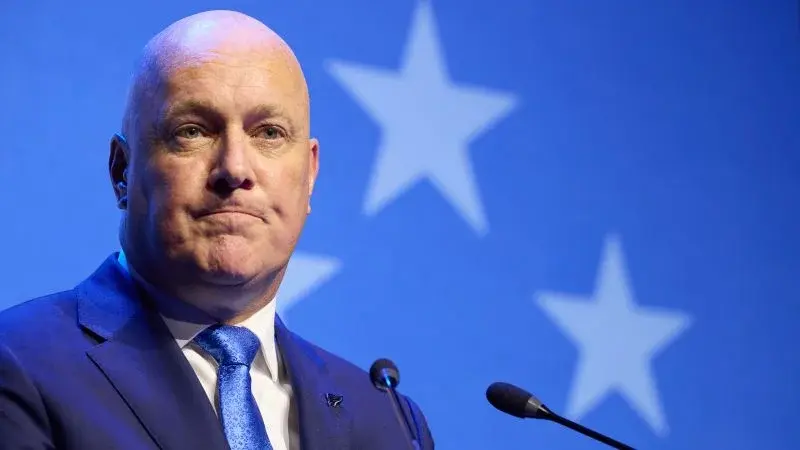
New Zealand faces weeks of political uncertainty after a knife-edge election left no clear winner. Preliminary results show Prime Minister Christopher Luxon’s right-wing coalition with a slim 67-seat majority in the 131-seat parliament, but the margin is so tight that uncounted special votes could shift power to the left-wing bloc. The centrist Opportunity Party, entering parliament for the first time, may become the decisive kingmaker. Official results are due November 27, with coalition negotiations expected to drag on for weeks.
Key points
- Preliminary results show the National-led coalition (National, ACT, NZ First) with 67 seats, just three ahead of the left bloc (Labour, Greens, Te Pāti Māori) with 56 seats.
- The centrist Opportunity Party, led by Qiulae Wong, crossed the 5% threshold to enter parliament for the first time, potentially becoming the kingmaker if the right-wing coalition falls short of a majority.
- Luxon’s National party saw its vote share drop to 29.2% from 38.1% in 2023, while coalition partners ACT and NZ First gained strength, raising the prospect of a further rightward shift in policy.
- Labour leader Chris Hipkins did not concede, stating the results were inconclusive and that every vote must be counted, with final results due November 27.
- Hundreds of thousands of special votes remain uncounted, which could alter the final tally and determine which bloc can form a government.
Background
New Zealand’s 2026 election followed a period of economic stagnation and public discontent with the incumbent government. The National-led coalition took power in 2023 on a promise to address cost-of-living issues, but struggled to deliver, leading to historic lows in support for both major parties. The election also saw a surge in support for minor parties, including the Greens and Te Pāti Māori, as voters sought alternatives to the traditional two-party system.
How outlets are covering it
CNN and The Guardian emphasized the tight margin and the potential for the Opportunity Party to become a kingmaker, noting that Luxon had previously ruled out governing with them but might be forced to reconsider if the coalition falls short. BBC highlighted the historic low support for the two major parties, with a combined vote share of around 60%, and the rise of minor parties. The New York Times framed the election as part of a global trend of voter dissatisfaction with economic management, noting that both major parties were polling at historic lows. All sources agreed that the outcome would not be clear until November 27, with coalition talks expected to take weeks.
Why it matters
The election result leaves New Zealand in political limbo, with no clear path to government formation. The tight margin and the potential for the Opportunity Party to become a kingmaker could lead to a fragmented government or a shift in policy direction. The outcome will also have implications for New Zealand’s economic and social policies, particularly on issues such as immigration, healthcare, and cost of living.
What to watch
The Electoral Commission will release final results on November 27, after which coalition negotiations will begin. The outcome will depend on the count of special votes and the willingness of the Opportunity Party to support either bloc. If no coalition can be formed, New Zealand may face a repeat election or a caretaker government.
- New Zealand in political limbo after knife-edge election CNN
- No clear winner after tight New Zealand general election BBC
- New Zealand preliminary vote leaves unclear who will govern Reuters
- New Zealand’s Election ‘Too Close to Call’ as Voters Turn to Minor Parties The New York Times
- New Zealand election coalition talks will likely take weeks – as it happened The Guardian
Want the full story? Read the original reporting
Read on CNN