
Six EU Capitals Demand €2tn Budget Slash to Fund Defense
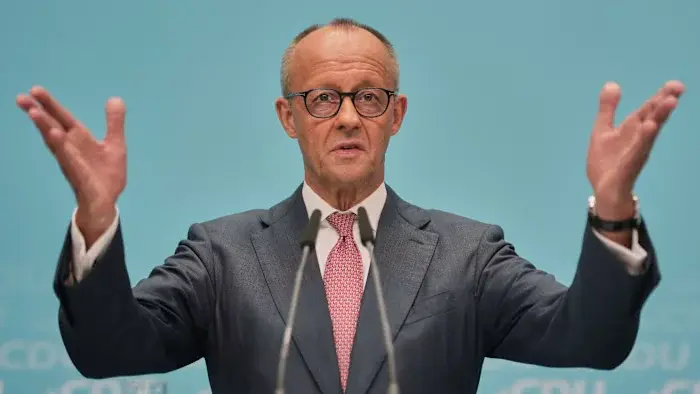
German Chancellor Friedrich Merz and five allied leaders have issued an ultimatum to the EU, demanding that the proposed €2 trillion budget for 2028-2034 be cut by hundreds of billions of euros. The signatories, who account for 40% of EU revenue, argue the current proposal is unrealistic given domestic fiscal pressures and insist that spending must shift from agriculture and regional aid toward defense and innovation. While the European Council aims for a deal by year-end, a bloc of 17 countries opposes the cuts, and Ireland, currently holding the rotating presidency, is tasked with producing a compromise proposal by mid-October.
Key points
- A letter signed by leaders of Germany, the Netherlands, Sweden, Denmark, Austria, and Finland demands the EU’s 2028-2034 budget be reduced by 'hundreds of billions' of euros from the Commission’s €2 trillion proposal.
- The six signatories, who contribute 40% of EU budget revenues, argue the proposed 60% nominal increase is politically and economically unrealistic, citing domestic deficits and the need to fund defense and innovation.
- A group of 17 countries, including Italy and Spain, opposes the cuts, demanding increased funding for agriculture and regional development, and some support issuing joint EU debt to finance a larger budget.
- Ireland, holding the rotating EU presidency, is expected to present a compromise proposal by mid-October, with a summit scheduled for October 15-16, ahead of a year-end deadline to avoid complications from upcoming national elections.
- The European Parliament’s negotiations are lagging, with officials warning that internal disputes over the Common Agricultural Policy could delay a final agreement until 2027.
Background
This dispute follows months of negotiations over the EU’s Multiannual Financial Framework, with previous tensions highlighted by German Chancellor Friedrich Merz’s earlier efforts to rally a bloc of net contributors against the Commission’s proposal. The debate centers on balancing traditional spending on agriculture and regional cohesion with new priorities for defense and strategic autonomy, particularly in the context of rising security concerns and domestic fiscal constraints across member states.
How outlets are covering it
The Financial Times and CNBC emphasize the ultimatum nature of the letter, highlighting the threat to withhold agreement unless deep cuts are made, while noting the signatories’ focus on defense and innovation. Politico.eu provides a more nuanced view, reporting that the Irish presidency is expected to propose cuts of over €100 billion, a figure that falls short of the six countries’ demands but may still anger the 'Friends of Cohesion' bloc. DutchNews.nl frames the move as a U-turn for Dutch Prime Minister Rob Jetten, whose party previously advocated for a larger EU budget, and notes the specific financial impact on the Netherlands, including the loss of a discount that would cost an additional €2 billion annually. All sources agree on the core conflict between net contributors and net beneficiaries, but differ on the scale of the expected compromise and the political implications for the signatories.
Why it matters
The outcome of these negotiations will determine the EU’s ability to fund its strategic priorities, including defense and industrial competitiveness, in the face of geopolitical challenges. A failure to reach a deal by year-end could delay funding for critical projects and exacerbate tensions between member states, potentially undermining the EU’s cohesion and influence in a volatile global landscape.
What to watch
Ireland is expected to present a compromise proposal by mid-October, ahead of a summit on October 15-16. The European Parliament aims to finalize its position by November, but delays in internal negotiations could push the final agreement into 2027. The next key milestone is the October 9 meeting between European Council President António Costa and Dutch Prime Minister Rob Jetten to discuss the budget.
- Germany issues EU budget ultimatum Financial Times
- Drastic budget cutbacks essential to fund Europe's defense, Germany and allies warn CNBC
- Germany news: Merz revolts over EU budget, report says DW.com
- Governments brace for €100B cut to EU budget proposal politico.eu
- Netherlands demands hundreds of billions in EU budget cuts DutchNews.nl
Want the full story? Read the original reporting
Read on Financial Times