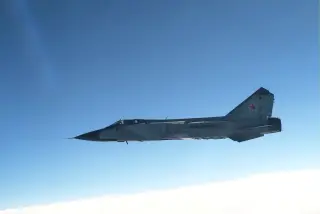
Russia's draft 2027 budget allocates 17.1 trillion rubles to defense, a post-Soviet high, while cutting civilian spending and raising taxes. The move signals a prolonged war strategy despite peace talk rhetoric, with analysts warning of growing fiscal strain on households and public services.
German Chancellor Friedrich Merz and five allied leaders have issued an ultimatum to the EU, demanding that the proposed €2 trillion budget for 2028-2034 be cut by hundreds of billions of euros. The signatories, who account for 40% of EU revenue, argue the current proposal is unrealistic given domestic fiscal pressures and insist that spending must shift from agriculture and regional aid toward defense and innovation. While the European Council aims for a deal by year-end, a bloc of 17 countries opposes the cuts, and Ireland, currently holding the rotating presidency, is tasked with producing a compromise proposal by mid-October.
Russia plans to allocate 17.1 trillion roubles ($202.6 billion) to defense in 2027, a 27% increase from the 2026 budget and the highest level since the 2022 invasion of Ukraine. The three-year defense total reaches 50 trillion roubles. To cover a rising deficit, Moscow is implementing new tax hikes, including a windfall tax on metals, while state debt is projected to exceed 20% of GDP.
Idaho Rep. Mike Simpson, a senior Appropriations Republican, said he wouldn’t fund federal money for Trump’s arch, arguing there are more pressing military needs and that any arch funding should go through Congress; Trump claimed the arch could store drones and snipers, a rationale Simpson said should be debated and prioritized against other Defense Department needs. The live updates section also covers the SAFE Platforms Act to curb online scams powered by AI, Gary Peters taking a post at USC after his Senate term, Jared Golden endorsing Mike Lawler in a New York battleground, a crypto-backed super PAC planning about $30 million to defeat Sherrod Brown in Ohio, a defamation dispute over an Ohio ad, Nvidia lobbying on AI export rules, and other Capitol Hill developments.
The US House voted 220-204 to end the Iran war via a war powers resolution—the third such attempt—though it’s unlikely to become law with a Trump veto; a CBO estimate puts the conflict’s cost at at least $38 billion and says U.S. missile interceptors are so depleted they would likely take about five years to rebuild. The report also ties higher energy costs and inflation to the conflict, and the vote comes ahead of the midterm elections as debates over foreign entanglements and defense spending continue.
The Congressional Budget Office estimates the U.S. war in Iran has cost about $38 billion through Aug. 1, with monthly costs of $2–$3 billion and a rebuilding timeline of at least five years for depleted munitions and stockpiles, a figure roughly in line with Defense Secretary Hegseth’s late‑July estimate.
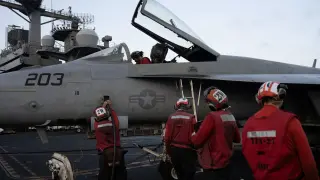
A U.S. Department of Defense Lead Inspector General report through end-June estimates the Iran war cost at about $33.4 billion, noting Iranian strikes damaged hundreds of U.S. bases and dozens of aircraft in the Middle East, and that U.S. munitions use has caused inventory shortfalls and bottlenecks; among losses are a damaged F-35A, four destroyed F-15Es, an A-10, seven KC-135s damaged or destroyed, seven helicopters and over 30 drones, with $184 million in damage to U.S. diplomatic facilities in four countries.
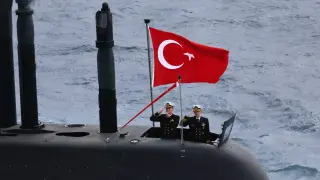
Turkey unveiled a three-year plan to boost defense spending by 229% for 2027-2029 to develop domestic technologies and high-value weapons, backing projects such as the TF-KAAN fighter jet, the KIZILELMA unmanned aircraft and more than 10 ALTAY tanks. Announced by Vice President Cevdet Yilmaz as part of the new Medium-Term Program, the rise is the largest among seven priority areas and aims to cut reliance on imports amid regional tensions and global economic shifts. SIPRI data show Turkey spent about $30 billion in 2025, underscoring its position as a major global arms spender.
The United States says NATO allies must train and invest as if Russia could launch a limited attack on a member state within the next few years, citing leaked intelligence and Russia’s rapid defense buildup. While some officials doubt an imminent direct strike, analysts warn Moscow could test NATO with limited aggression if it regroups, as hybrid attacks continue and the CIA’s Moscow visit signals heightened caution.
Ursula von der Leyen argues the next seven-year EU budget (about €2 trillion) should finance Europe’s independence from foreign powers, backing investments in strategic sectors from research to defense; however Germany and five allies are pushing for hundreds of billions in cuts, complicating a compromise as leaders balance cohesion and farming policy with new priorities.
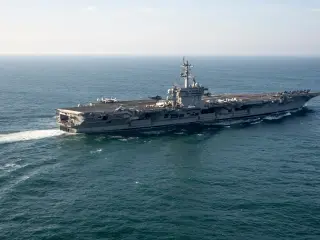
The U.S. moved its last Asia-based aircraft carrier, the USS George Washington, from Japan to the Middle East to support operations in Iran, part of a broader drawdown that has alarmed Asian allies about reduced regional deterrence and flexibility; analysts say the shift accelerates burden-sharing with partners like Japan, Korea, and Taiwan, prompts higher regional defense spending, and coincides with increased Chinese coast guard activity near Taiwan and nearby EEZs.
Trump directed reductions to the Ulchi Freedom Shield exercises with South Korea, triggering concern over optics and alliance cohesion, but defense officials say the security architecture on the Korean peninsula remains largely intact and the drills will be modified rather than cancelled as Seoul worries about attracting investment and North Korea continues missile tests.
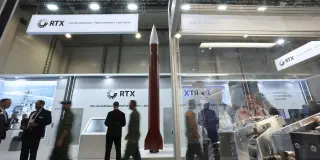
RTX won a seven-year, $22.9 billion contract to boost Tomahawk production to about 1,000 missiles per year, with broader increases across Patriot/THAAD and other missiles; suppliers like L3Harris and General Dynamics stand to benefit, though investors remain wary of defense-spending shifts tied to midterm politics.
A Pentagon official urged Asia-Pacific allies to increase defense investments to strengthen deterrence against potential aggression, emphasizing burden-sharing and regional security commitments.
Italy’s upcoming election is shaping up as a battleground over Ukraine aid, with Conte proposing a left-wing primary to decide continued military shipments and a shift toward negotiations, while the center-left resists primaries and Meloni’s coalition faces divisions over defense budgets; public support for Ukraine aid remains low in Italy.