
Spain's Sánchez gambits on housing crisis as Nov. 29 election looms
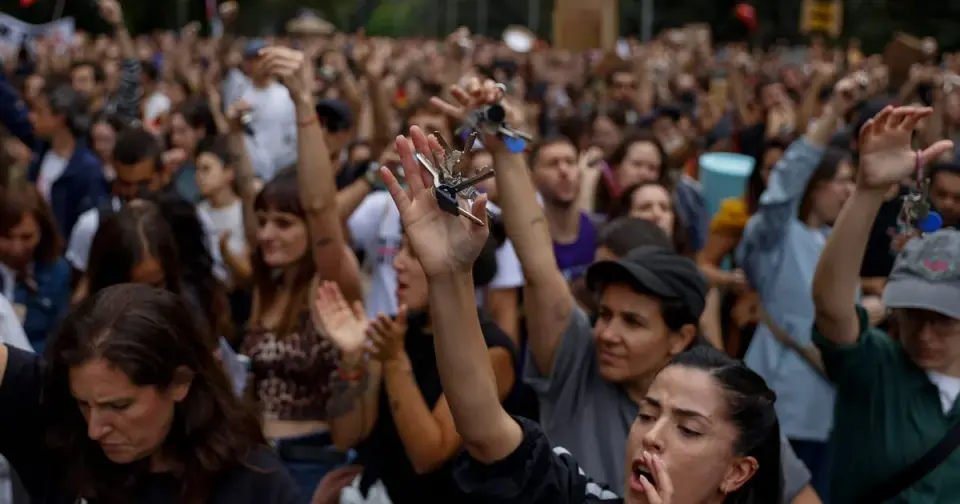
Pedro Sánchez called a snap election for November 29 after his government failed to pass emergency housing measures, triggering massive protests. While the People’s Party leads polls, Sánchez bets that mobilizing voters over the housing crisis can offset his declining approval and the rise of the far-right Vox.
Key points
- Sánchez called the election after parliament rejected housing decrees, including eviction suspensions and rent controls, following the eviction of an 87-year-old woman.
- Polls show the center-right People’s Party (PP) at 34% and the Socialists (PSOE) at 26%, with the far-right Vox at 18%.
- A PP-Vox coalition is the most likely path to power, as the left-wing Sumar coalition has collapsed and is currently leaderless.
- Sánchez faces corruption investigations involving his wife and former PM José Luis Rodríguez Zapatero, which could hurt his campaign.
- The Ceuta migrant crisis and Trump’s foreign policy remain secondary but influential factors, with 51% of Spaniards viewing the U.S. as a threat.
Background
Sánchez has led a fragile minority government since 2023, relying on regional and far-left allies. His recent move follows a parliamentary deadlock that has prevented budget passage for over three years. The snap election brings the vote forward from its scheduled date in July 2027, following weeks of nationwide protests triggered by the eviction of Maricarmen Abascal.
How outlets are covering it
Politico emphasizes the structural collapse of the left-wing coalition and the rising political viability of Vox, noting that the PP may avoid explicitly campaigning with Vox to retain moderate voters. CNBC highlights the economic paradox: Spain’s strong growth and job creation contrast with public anger over housing costs, with analysts giving Sánchez a 30% chance of winning despite his low approval. AP News focuses on the immediate street-level unrest, including clashes in Barcelona, while CNN frames the election as a direct response to the housing crisis, noting that Sánchez’s international clashes with Trump have boosted his standing among some voters but remain a secondary issue compared to domestic affordability.
Why it matters
The outcome will determine whether Spain shifts to a center-right government that may roll back LGBTQ+ protections and adopt tougher migration policies, or if Sánchez can maintain his coalition. A right-wing victory could also alter Spain’s stance on China and NATO, potentially aligning it more closely with France and Germany on trade and defense issues.
What to watch
King Felipe VI is set to visit Ceuta and Melilla next week, which could trigger a diplomatic clash with Morocco. The Spanish Tenants’ Union may endorse a party or call for a boycott, potentially impacting turnout. The trial of Sánchez’s wife, Begoña Gómez, is not expected to begin before the election, but fresh revelations in the Zapatero investigation could emerge.
- From the rent crisis to Trump: 5 things that will shape Spain’s snap election politico.eu
- Spain’s Leader Calls Early Election After Housing Crisis Roils Government The New York Times
- Housing protests erupt in Barcelona as Spain calls early election, in photos AP News
- Trump's nemesis in Europe: Why Spain's Sanchez is calling a snap election cnbc.com
- Spanish PM Sánchez calls November election amid growing housing protests CNN
Want the full story? Read the original reporting
Read on politico.eu