James Murdoch is taking charge of Vox and New York Magazine to build a different kind of media company than his father Rupert Murdoch’s, signaling a strategic shift for the Murdoch empire.
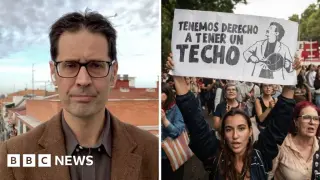
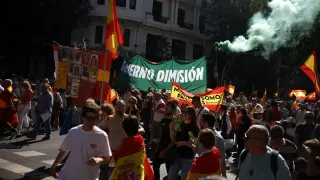
Tens of thousands of people marched through Madrid in a largely peaceful protest organized by the Spanish Civil Society association, demanding the resignation of Prime Minister Pedro Sánchez amid corruption scandals; at least seven police officers were injured in clashes, a small group tried to breach barriers around the Moncloa residence, and three people were arrested; organizers said 80,000 participated, a government figure put the count at about 40,000, while leaders from the opposition PP and far-right Vox attended.
Spain’s Socialists suffered a historic defeat in Andalusia, losing their longtime stronghold to the conservative PP, which could rely on Vox for a coalition and signal a shift to the right ahead of the 2027 general election; with PP leading nationally and Sánchez vowing to stay in office, the left faces a tougher path as Adelante Andalucía gains ground and Sumar struggles.
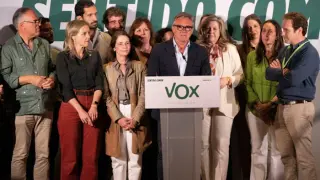
Vox emerges as a kingmaker in Andalusia after the PP falls short of a majority, setting up the possibility of a PP–Vox coalition as Sánchez’s Socialist party suffers its worst Andalusian result since 1982; Adelante Andalusia makes gains amid debates over immigration and a controversial amnesty policy.
The Hollywood Reporter profiles Ezra Klein’s ascent from Wonkblog founder at The Washington Post and Vox to a leading NYT journalist and flagship podcast host, highlighting his data-driven yet curious interview style, influence on Democratic policy circles, and how his willingness to sit with uncertainty has helped redefine political journalism—even as celebrity gossip and critique follow his rising star.
Venezuela's opposition leader Maria Corina Machado traveled to Madrid to court Spain's conservative PP and Vox, choosing meetings with right-wing leaders over Sánchez's Socialist government; while she shares a liberal economic outlook with PP head Alberto Núñez Feijóo, Machado remains more conservative on social issues such as abortion, underscoring a split between a fragmented Venezuelan opposition and Spain's organized conservative bloc.
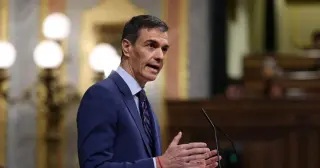
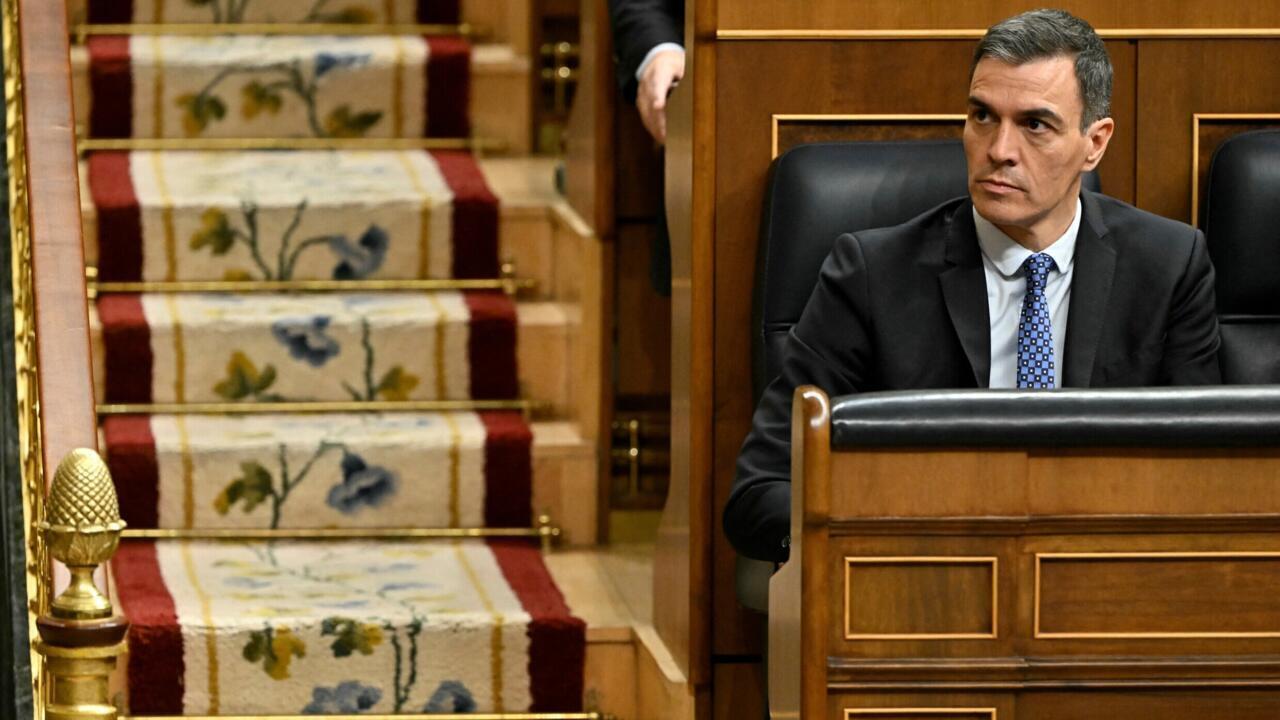
Spain’s PM Pedro Sánchez, squeezed by domestic scandals tied to former allies and a weakened majority, has found an unintended lifeline in his public feuds with Donald Trump. The tariff battles and the Iran crisis have shifted attention away from internal crises, briefly boosting his international stature and polling, even as critics warn his confrontational tactics risk entrenching the far right at home.
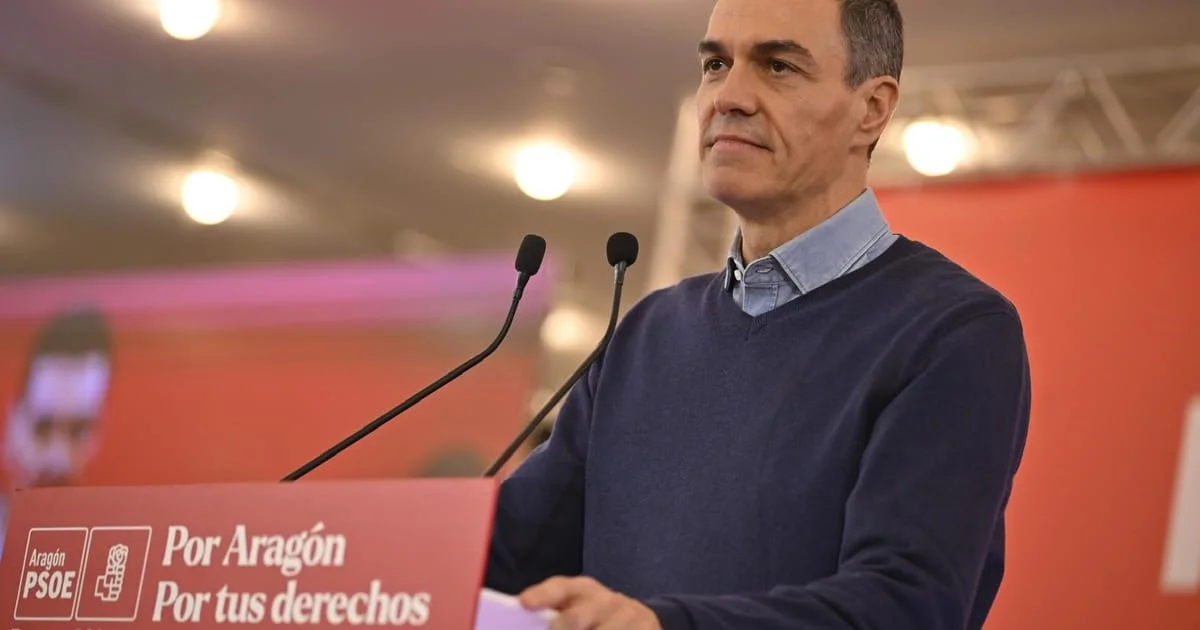
In Aragón’s regional election, the PP led with 34.3% and 26 seats but fell short of a majority in the 67-seat assembly; the Socialists dropped to 24.3% and 18 seats, their worst Aragón result, while Vox surged to 14 seats with about 17.9% support. The result is framed as a barometer of national sentiment, potentially paving the way for a PP–Vox coalition and signaling a stronger far-right presence ahead of Castilla y León and Andalusia votes amid corruption and rail-incident turmoil affecting Sánchez’s government.
Spain's ruling Socialists suffered a historic defeat in the Extremadura regional election, losing ground to the conservative Popular Party and far-right Vox, amid corruption scandals and internal controversies, signaling challenges for the party's wider prospects.
Extremadura's early regional elections, held on a rainy Sunday, are pivotal for Spain's political future, with polls favoring the PP and Vox, potentially shaping the national political landscape until 2027. Voter turnout and incidents at polling stations are notable, and the results could determine regional stability or coalition deals.
Vox's video recap of 2023 highlights major events such as the ongoing climate crisis, the Israel-Hamas war, and trends in entertainment like blockbuster movies and concert tours. The video serves as a reminder of the year's significant global shifts, celebrations, and tragedies. Additionally, Vox encourages reader contributions to support their mission of providing nuanced coverage and solutions to current issues, aiming for 95,000 individual contributions by year's end.
Spain has bucked the trend of the rise of far-right parties in Europe, as the recent elections showed a setback for the far-right Vox party. Despite forming coalitions with the conservative Popular Party in various regions, Vox lost seats and failed to form a coalition government at the national level. This contrasts with the success of far-right parties in other European countries. Experts suggest that Vox's radicalism and refusal to seek mainstream acceptance may have contributed to its decline in popularity, as it fueled a cultural war and targeted rights achieved in recent years.
Exit polls from Spain's parliamentary election indicate that the conservative party PP is likely to lead negotiations to form a new government, potentially ending the socialist rule of Prime Minister Pedro Sanchez. PP secured between 145 and 150 seats, followed by the socialist party PSOE. The far-right party Vox is in contention for the third-largest political force. The possibility of PP joining forces with Vox raises concerns due to Vox's controversial policies on LGBT rights, immigration, abortion, and climate change denial. The election, held during the summer, focused heavily on cultural and societal matters, despite Sanchez's strong economic record.
Spaniards voted in a highly charged election, with the left trying to hold back a predicted conservative wave that could result in the most right-wing government since the death of dictator Francisco Franco. The anti-LGBTQ+, anti-feminist, climate-denying Vox party could gain a foothold in the Spanish government, potentially becoming a kingmaker for the center-right Popular Party. The outcome of the election could shift the balance of power in Spain and have implications for progressive laws and the liberal consensus within the European Union.
Spain is holding a major election that could potentially bring the far right party Vox to power for the first time since Francisco Franco's dictatorship. Polls suggest a conservative win for the PP, but they may need to form a coalition government with Vox. This scenario is seen as moderately market-positive. The election is focused on cultural issues such as nationalism, LGBT rights, and climate change. The outcome may also be influenced by recent heatwaves in Spain.