
Sweden’s Tight Election Hinges on Far-Right’s First Cabinet Bid
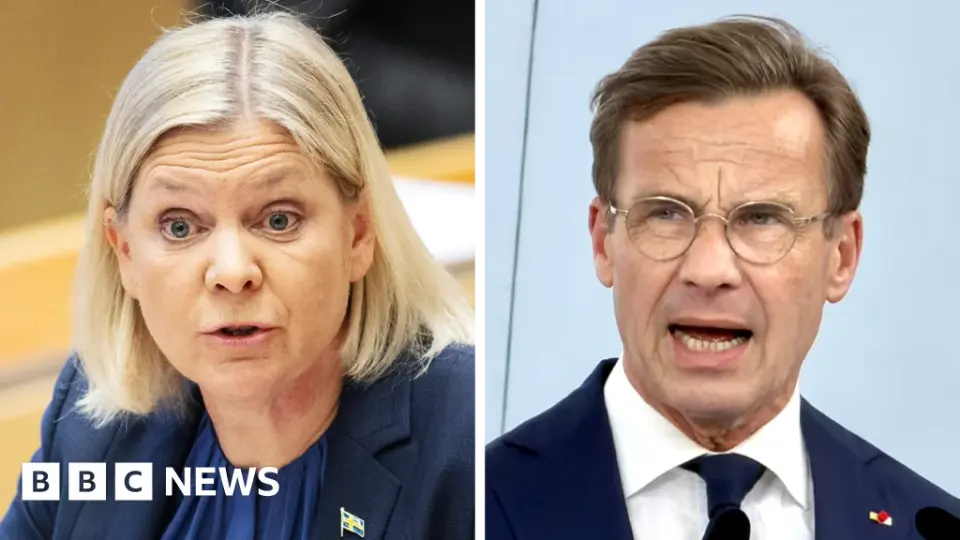
Sweden’s general election is projected to be a razor-thin contest between the center-left and center-right blocs, with the outcome potentially determining whether the far-right Sweden Democrats enter the cabinet for the first time.
Key points
- Exit polls from SVT indicate the center-left bloc, led by Magdalena Andersson, is ahead, potentially securing a majority in the Riksdag.
- Prime Minister Ulf Kristersson has promised cabinet positions to the Sweden Democrats if his center-right coalition wins, marking a shift from their previous role as external supporters.
- The Sweden Democrats, which have neo-Nazi roots, have normalized their presence in Swedish politics, becoming the second-largest party since 2022.
- Key election issues include immigration, gang crime, welfare spending, and healthcare, with voters divided on whether to prioritize punitive or preventive measures.
- The election is part of a broader European trend where far-right parties are gaining ground, though Swedish voters appear to be resisting the Sweden Democrats' entry into government.
Background
Sweden’s political landscape has shifted significantly since 2022, when the Sweden Democrats became the second-largest party and began supporting the center-right coalition from outside the cabinet. This arrangement allowed them to influence immigration and crime policies without formal ministerial roles. The current election tests whether this normalization will culminate in their entry into the government. Previous coverage highlighted the party’s provocative transit campaigns and their growing electoral base, particularly among working-class voters and those outside major cities. The broader European context includes similar gains by far-right parties, such as Germany’s AfD, which recently won a significant share of the vote in Saxony-Anhalt.
How outlets are covering it
BBC and CBS News emphasize the tight race and the potential for the Sweden Democrats to enter the cabinet, highlighting the party’s normalization and the shift in Swedish politics. The Guardian focuses on the narrowing margin between the blocs and Kristersson’s 'make Sweden great again' rhetoric, drawing parallels to Donald Trump. Al Jazeera provides a ground-level view from Malmo, a city often targeted by far-right narratives, highlighting the disconnect between these narratives and the lived experiences of residents. While all sources agree on the tight race, they differ in emphasis: BBC and CBS focus on the political implications of the Sweden Democrats’ potential cabinet entry, The Guardian highlights the campaign rhetoric, and Al Jazeera focuses on the social and economic realities in a key city.
Why it matters
The outcome of Sweden’s election will determine whether the far-right Sweden Democrats enter the cabinet for the first time, potentially marking a significant shift in Swedish politics. The election also reflects broader European trends of far-right parties gaining ground, though Swedish voters appear to be resisting this shift. The result will have implications for immigration, crime, and welfare policies, as well as the normalization of far-right parties in European politics.
What to watch
Vote counting will continue into Monday, and coalition talks may take weeks to resolve. The outcome will determine whether Magdalena Andersson returns to power or if Ulf Kristersson secures a second term with the Sweden Democrats in the cabinet. The election will also influence the broader European political landscape, particularly regarding far-right parties and immigration policies.
- Sweden election becomes tight race, as hard right eyes role in government BBC
- Sweden's fractured left holds slim lead in polls before Sunday election Reuters
- Sweden’s PM channels Trump saying he wants to ‘make Sweden great again’ ahead of election – as it happened The Guardian
- Multicultural Malmo: Swedish city loathed by far right braces for election Al Jazeera
- Sweden's election could mark major milestone for Europe's populist right CBS News
Want the full story? Read the original reporting
Read on BBC