
Sweden’s Far Right Normalizes Through Aggressive Campaigns and Coalition Shifts
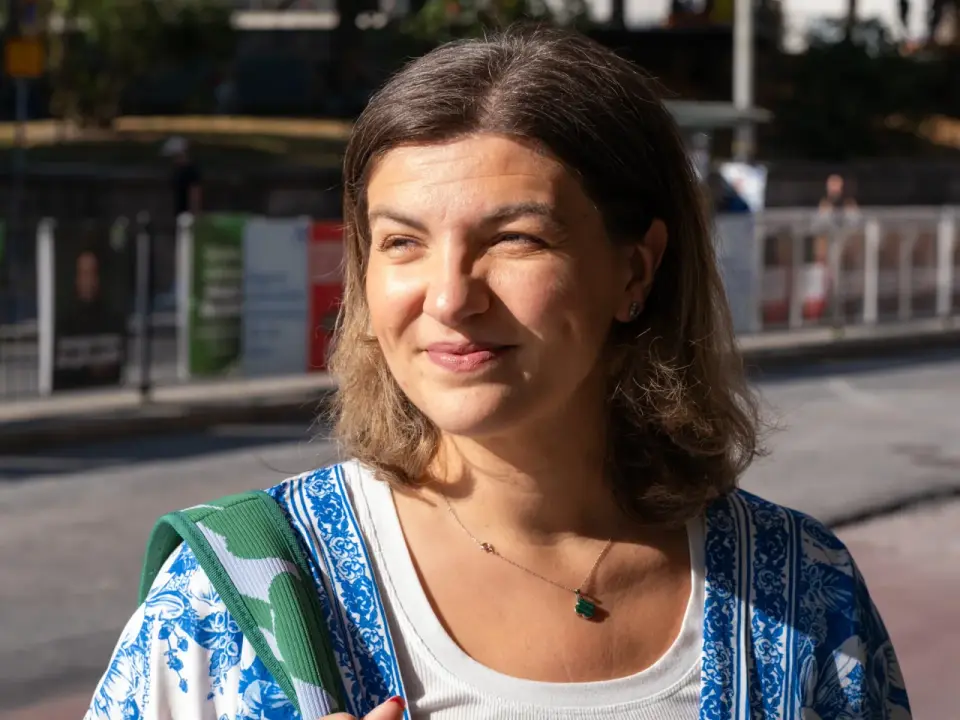
The Sweden Democrats (SD) intensified their pre-election campaign in August 2026 with provocative ads in Stockholm Central Station and on buses, sparking protests and debates. This aggression coincides with a broader political shift where SD is no longer a pariah, having secured a place in the current coalition and potentially a future government. While SD’s support has dipped slightly in polls, its integration into mainstream politics has normalized its rhetoric, affecting immigrant communities and influencing voter behavior among new citizens.
Key points
- SD spent approximately $100,000 on a week-long campaign in Stockholm Central Station featuring slogans like 'If you commit crimes... you’re not welcome,' causing distress among immigrant communities.
- SD ran bus ads in western Sweden asking 'Do you miss Mogadishu?' referencing a repatriation grant increased to roughly $36,000 per adult by the current centre-right coalition.
- The bus ads were removed after about 20 drivers with Somali roots called in sick, citing fears of harassment and a risk to the working environment.
- SD’s political status has shifted from pariah to coalition partner; in May 2026, Liberal leader Simona Mohamsson announced her party would allow SD in a future government, following the 2022 Tido Agreement.
- Late August polls placed SD at 18-19%, down from 20.5% in 2022, with some analysts suggesting the party has hit a ceiling due to scandals involving repatriation policies.
Background
Sweden’s political landscape has undergone significant changes since 2018, when a deadlock led to right-wing alliances that eventually included the Sweden Democrats. The 2022 Tido Agreement established the current coalition, and by May 2026, the Liberals formally opened the door to SD participation in government. This trajectory mirrors broader European trends where far-right parties, such as Germany’s AfD, are moving from opposition to governing roles, as seen in recent state elections in Saxony-Anhalt. The current SD campaign is part of a larger context of increasing political polarization and debates over immigration and integration in Europe.
How outlets are covering it
Al Jazeera emphasizes the emotional and historical trauma experienced by immigrant communities, such as Neira Tokalija, who felt excluded by SD’s messaging. It highlights the normalization of SD through coalition politics and the backlash from public transport workers. The Local Sweden focuses on the perspective of foreign-born voters, like Pedro Veliça, who are newly eligible to vote. Veliça expresses concern about the normalization of xenophobia and the potential impact of SD’s policies on immigrant life, advocating for voting for parties that protect immigrant interests. While Al Jazeera highlights the negative impact of SD’s campaigns, The Local Sweden provides a more nuanced view of immigrant voters navigating the political landscape, balancing economic and social issues with concerns about far-right influence.
Why it matters
The Sweden Democrats’ aggressive campaign and political normalization signal a shift in Swedish politics, where far-right rhetoric is becoming more accepted in mainstream discourse. This could influence the outcome of the September 13 general election and the composition of the next government. The increased repatriation grants and provocative ads reflect a policy direction that may affect immigrant communities and social cohesion. Understanding this shift is crucial for analyzing the future of immigration policy and political alliances in Sweden and potentially in other European countries facing similar trends.
What to watch
The September 13 general election will determine if the right-wing bloc, including SD, wins a majority. If SD enters government, its policies on immigration and repatriation could be implemented more broadly. The reaction to the SD’s campaigns, including protests and media coverage, may influence voter sentiment and turnout, particularly among immigrant communities. Future political alliances and coalition negotiations will be critical in determining the extent of SD’s influence on Swedish policy.
- ‘Not welcome’: How Sweden’s far right took over Stockholm Central Station Al Jazeera
- Sweden’s Far-Right Leader Seeks a Comeback as Election Nears Bloomberg.com
- Sweden's ruling coalition trails in poll, but closes gap on centre-left opposition Reuters
- Voting in Sweden: 'It's very exciting to finally be part of this aspect of democracy' The Local Sweden
- Sweden's parties clash over healthcare as election nears euractiv.com
Want the full story? Read the original reporting
Read on Al Jazeera