
Trump Executes $810M 'Pocket' Rescission Targeting Immigration and DEI Programs
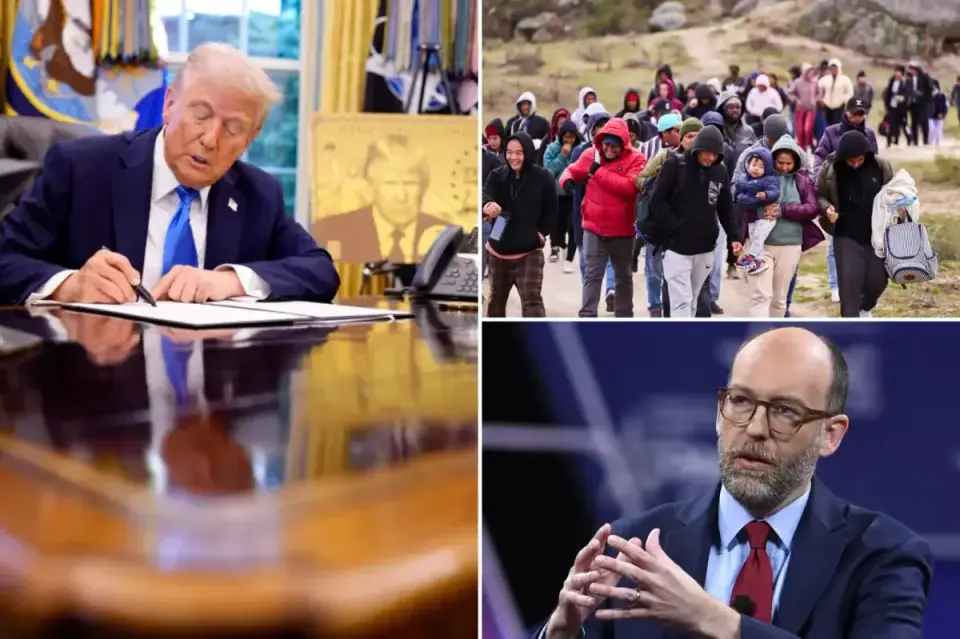
President Trump has canceled $810 million in congressionally appropriated funds through a controversial 'pocket' rescission, targeting programs for illegal immigrants and race-focused initiatives. The move, executed with five days left in the fiscal year, bypasses the standard 45-day congressional review period and affects seven federal departments, including Health and Human Services and Homeland Security. While the administration argues the cuts are necessary due to reduced border crossings and ideological misalignment, the action faces potential legal challenges and criticism from the Government Accountability Office, which deems such late-year rescissions illegal. This is the second pocket rescission in nearly 50 years, following a similar move in 2025 that was upheld by the Supreme Court.
Key points
- The White House canceled $810 million in unspent federal funds across 11 programs at seven agencies, including HHS, DHS, and HUD.
- The largest cut, $567 million, targeted HHS social services for illegal immigrants, citing a near-elimination of border crossings.
- Additional cuts include $70 million for foreign academic fellowships, $56 million for housing counseling, and $28 million for HHS grants deemed 'ideological.'
- The action is a 'pocket' rescission, taking effect immediately because it occurs within five days of the fiscal year end, bypassing the 45-day congressional review window.
- The Government Accountability Office considers pocket rescissions illegal, but the administration cites precedents from Presidents Ford and Carter, as well as a recent Supreme Court ruling.
Background
This action follows a series of immigration and budget-related moves by the Trump administration, including a proposed $103,265 H-1B fee in August 2026 and a cordial meeting with NYC Mayor Mamdani in September 2026 where immigration protections were discussed. The administration has also engaged in symbolic political actions, such as renaming New Mexico to 'New America' in September 2026, which was dismissed by state officials. The current rescission is the second 'pocket' rescission in 49 years, with the first occurring in 2025 when Trump canceled nearly $5 billion in foreign aid, a move upheld by the Supreme Court in September 2025.
Why it matters
The pocket rescission represents a significant shift in federal budgeting, allowing the executive branch to cancel congressionally appropriated funds without legislative approval. This move could set a precedent for future administrations to bypass Congress on spending decisions, potentially altering the balance of power between the executive and legislative branches. The targeted cuts also reflect the administration's broader policy priorities, including immigration enforcement and opposition to DEI initiatives, which may have lasting impacts on federal programs and the organizations that rely on them.
What to watch
Congress may attempt to challenge the rescission legally, given the Government Accountability Office's stance on the legality of pocket rescissions. The administration is expected to defend the move using precedents from the 1970s and the recent Supreme Court ruling. The canceled funds may be reallocated or remain unspent, depending on the outcome of any legal challenges. The administration may also consider further pocket rescissions in the future, potentially expanding the practice beyond the current fiscal year.
Want the full story? Read the original reporting
Read on New York Post